Save 50% Off MRSP on Lexington | Shop the Catalog >

How to Clean Performance Fabric Safely and Effectively


A glass tips over during a family gathering, and red wine spreads across the new sofa before anyone can reach for a towel. Performance fabric is designed for moments like this, but the wrong response can create a larger problem than the original spill. Scrubbing, excessive water, heat, or an incompatible cleaner may disturb the fabric's protective treatment, leave rings, or drive the stain deeper.
For households across South Georgia and North Florida, the safest approach is calm and controlled. The practical answer to how to clean performance fabric is to follow the furniture's care code, remove dry debris first, blot instead of rub, use minimal mild cleaning solution, rinse away residue, and allow the upholstery to air-dry completely. That routine protects both today's appearance and the custom comfort expected from investment-quality furniture.
Why Performance Fabric Needs a Different Cleaning Approach
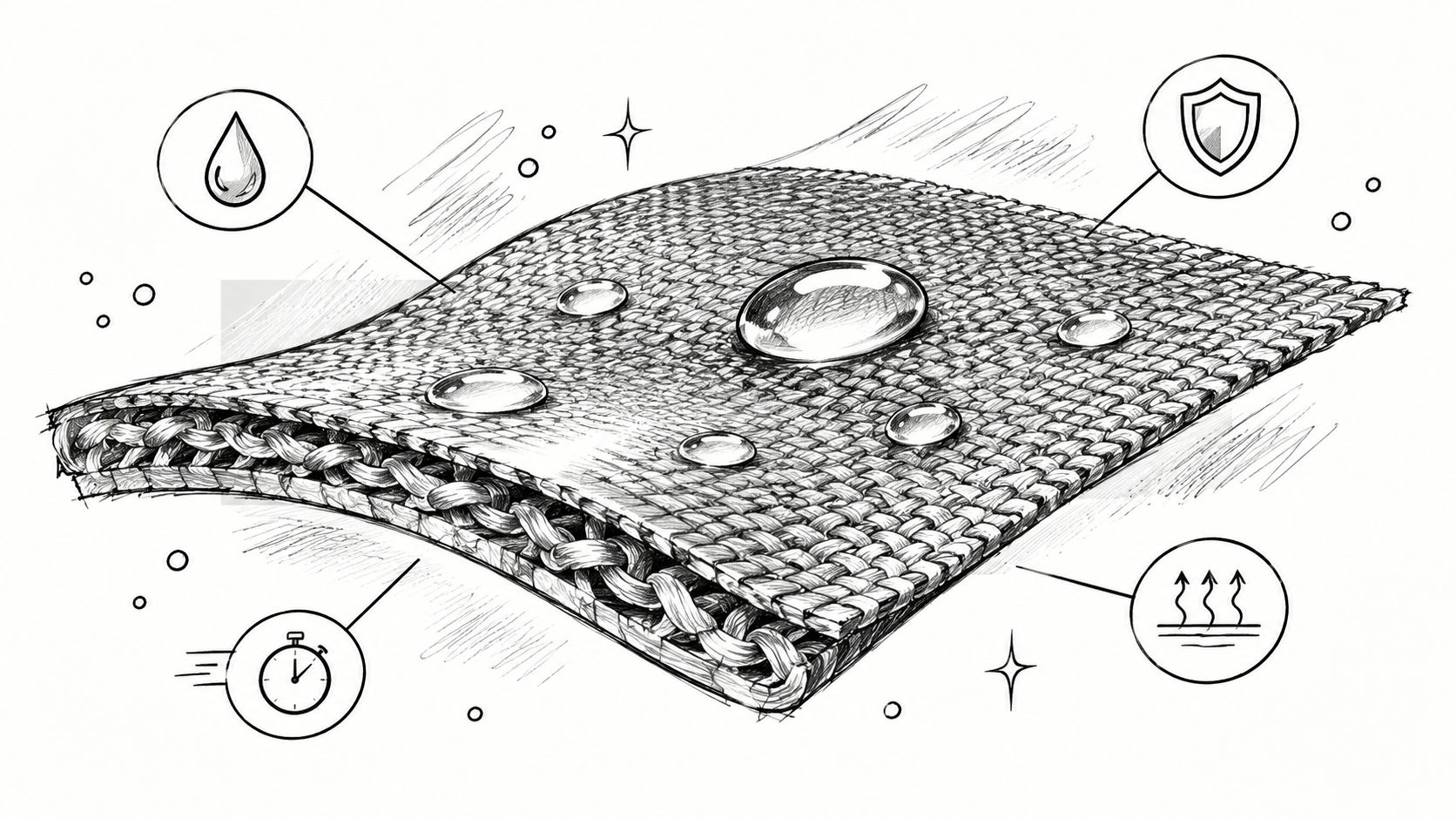
Performance fabric isn't ordinary upholstery with a marketing label. Many constructions combine tight weaves, durable fibers, and stain-repellent treatments intended to simplify maintenance in homes with children, pets, and high-traffic seating. Some accidental spills may lift with water alone, while tougher marks generally need only a small amount of mild household soap followed by careful blotting and rinsing, as described in this performance fabric upholstery guide.
That protective behavior changes the cleaning strategy. Liquid can remain near the surface long enough to be absorbed with a clean cloth, but rubbing spreads the mess and presses it farther into the weave. A dry towel or paper towel should touch the spill first, with pressure applied straight down rather than dragged across the cushion. This matters especially with wine, coffee, juice, or a pet accident, where quick absorption can limit the area that needs treatment.
The finish deserves protection
The objective isn't merely to remove one spot. Repeated exposure to harsh chemistry, unnecessary bleach, aggressive solvents, or excessive agitation can reduce the value of a stain-repellent finish over time. Independent textile research indicates that repellency works most effectively when spills remain on the surface rather than penetrating the fabric, which supports a low-aggression cleaning routine (textile research on stain-repellent finishes).
Furniture makers such as La-Z-Boy and Smith Brothers offer upholstery options created for real household use, yet every fabric still has its own care requirements. A performance label doesn't make a cushion indestructible. It gives the homeowner a better starting point, provided the cleaning method matches the construction.
Practical rule: The gentlest method that removes the mark is usually the method that best preserves long-term performance.
Pre-Cleaning Checks You Should Never Skip
Before opening a cleaner or wetting a cushion, locate the upholstery care tag. It may sit beneath the furniture, under a cushion, behind a zipper, or along the platform. The code determines whether water, solvent, or no liquid cleaner should touch the fabric.
Upholstery cleaning codes explained
| Code | Meaning | Safe Cleaners |
|---|---|---|
| W | Water-based cleaners are allowed | Mild soap and water or an approved water-based upholstery cleaner |
| S | Solvent-based cleaners only | A compatible upholstery solvent used according to the manufacturer's directions |
| W/S | Either approach may be used | Water-based or solvent-based cleaner, subject to the care instructions |
| X | No liquid cleaning | Vacuuming or light brushing only |
These standardized meanings are summarized in this upholstery material care guide. A W code does not mean the cushion should be soaked, and a W/S code doesn't mean every household chemical is suitable. If the tag is missing or unclear, the furniture manufacturer or a qualified upholstery professional should confirm the method before treatment.
Test before treating the visible stain
Choose a concealed area, such as the back edge beneath a cushion, and apply a small amount of the intended solution. Blot with a clean white towel, then let the test area dry naturally. Check for color transfer, texture change, darkening, or a visible ring before proceeding.
The basic toolkit should include:
- Upholstery vacuum attachment: Removes crumbs, hair, and loose soil without grinding debris into the weave.
- White microfiber cloths: Reduce the chance of dye transfer and provide clean surfaces for each blotting pass.
- Lukewarm water: Supports mild cleaning without exposing fibers to unnecessary heat.
- Mild soap: A small amount of neutral or mild dish soap is usually enough for water-safe performance fabric.
- Soft-bristle brush: Helps lift stubborn soil with light strokes, not hard scrubbing.
- Clean white towels: Absorb rinse water and help reveal whether residue is still transferring.
Prepare the tools before treating the stain. Searching for supplies while a spill sits on the cushion encourages rushed rubbing and over-wetting.
The Step-by-Step Spot Cleaning Method
A coffee spill lands on the cushion during breakfast. The safest response is controlled action, not a stronger chemical or a wetter cloth. Performance upholstery cleans best when you remove the soil while preserving the finish that helps repel future spills.
Remove dry material first
Lift solids with a spoon, spatula, or another blunt edge. Dried food, mud, and pet debris should come away from the surface instead of being smeared into the weave. Vacuum around the area with an upholstery attachment, especially along seams and crevices.
Mix the solution according to the care label. For water-safe fabric, one commonly used formula calls for 1/4 teaspoon of mild enzyme detergent per 1 cup of lukewarm water. Another care guide recommends 1 part mild soap or detergent to 4 parts water (performance fabric cleaning formula). Since care sheets differ, follow the furniture's instructions first. Apply enough solution to dampen a cloth, never enough to saturate the cushion. Excess moisture can carry soil deeper and make drying uneven.
Blot from the outside inward
Fold a clean cloth over the stain and press down. Lift it, move to a dry section, and repeat. Start at the outside edge and work toward the center to keep the mark from spreading. For food grease, remove surface residue before applying a small amount of mild solution. Coffee and wine usually respond better to prompt blotting than to immediate heavy soap use.
Pet accidents need patience because odor may remain below the surface after the visible mark fades. Avoid flooding the cushion. If liquid has penetrated the material, repeated wet cleaning can stress the fabric finish and leave a larger problem. A professional assessment is safer.
Rinse, repeat gently, and air-dry
Use a separate cloth dampened with clean water to blot away soap. Rinsing matters because surfactant residue can attract soil and make the treated area re-soil faster, as explained in manufacturer performance-fabric care guidance. If the mark remains, repeat the cleaning and rinsing cycle gently. Scrubbing harder may roughen the surface and reduce the fabric's stain-repellent performance.
Press clean, dry towels over the area to remove moisture. Leave the cushion uncovered in a ventilated room and let it dry at room temperature. For broader advice on careful surface cleaning and residue control, see this guidance on maintaining a polished upholstery environment. This stain-resistant fabric sofa care guide also helps households plan routine care before the next spill.
Common Cleaning Mistakes That Damage Performance Fabric
The most damaging cleaning habits usually begin with good intentions. A homeowner wants the sofa dry quickly, the spot gone immediately, and the cushion looking untouched. Those goals can lead to heat, pressure, or chemical use that creates permanent texture changes, rings, or finish loss.
Heat is not a shortcut
Hair dryers, household dryers, steam, and irons can expose upholstery to excessive heat. Care guidance specifically warns against those methods and recommends natural air-drying instead (heat precautions for performance fabric). Heat may set certain stains, stress fibers, or damage finishes, while forced drying can leave the outer surface dry even though moisture remains inside the cushion.
Direct heat from a floor vent or heater also creates uneven drying. A room-temperature, ventilated space is slower, but it gives moisture a better chance to leave the cushion evenly.
Harsh chemistry can defeat the reason for choosing performance fabric
Bleach is not automatically safe because a fabric resists stains. Some bleach-safe fabrics have care directions allowing a mixture of 1 cup bleach, 1/4 cup soap, and 1 gallon water, but that formula applies only when the manufacturer specifically permits bleach (bleach-safe fabric cleaning guidance). Other performance constructions should receive mild soap and water only.
Solvents, concentrated stain removers, and unapproved protectors can alter color or weaken the protective treatment. The label and manufacturer's instructions should decide what chemistry is acceptable.
Over-wetting and rubbing create secondary problems
Aggressive rubbing pushes soil deeper and can roughen the surface. Excess water can migrate through seams, remain trapped beneath a cover, or produce odor. A single cleaned patch may also dry with a visible ring or seam-to-seam color variation.
If a water mark persists, cleaning the entire cushion face or panel from seam to seam may produce a more even appearance than repeatedly treating one small circle. Outdoor cushions need particular attention to drainage. They should be positioned so water can escape, and removable covers should be opened or unzipped when the care instructions allow it.
Rinse water away, don't leave it behind. Soap residue is not harmless. It gives new soil something to cling to.
Caring for Removable Covers and Reproofing Fabric
Removable cushion covers can simplify maintenance, but a zipper doesn't automatically make a cover machine-washable. The care tag must authorize washing, and the manufacturer's instructions should control water temperature, cycle selection, detergent choice, and whether the cover may be removed at all. This is especially important for fitted upholstery, where shrinkage can prevent a cover from fitting correctly after washing.
For authorized washable covers, use the gentlest permitted cycle and a mild detergent. Avoid adding bleach unless the instructions expressly allow it. Remove the cover promptly after washing, reshape it while damp if the care sheet permits, and let it air-dry completely. A cover should never be reinstalled while moisture remains in the seams or cushion core, because trapped dampness can contribute to odor and mildew concerns.
Reinstall with the cushion's shape in mind
Once dry, align the cover carefully before closing the zipper. Work the fabric evenly around corners and seams instead of pulling one section tight. Reshape the cushion by hand so the fill returns to its intended profile. For an upholstered ottoman or similarly styled piece, the custom upholstered ottoman collection illustrates why fit, seams, and finish matter as much as stain resistance.
Reproofing requires compatibility, not guesswork
A water-repellent finish may become less effective after years of use or repeated cleaning, but a homeowner shouldn't automatically spray a new protector over the fabric. First test the surface with a small amount of clean water in an inconspicuous area. If the fabric's care instructions permit reapplication, select a protector specifically approved for that construction and test it before treating the visible upholstery.
The care sheets available for performance fabrics don't all agree about bleach, washing, or reproofing thresholds. That divergence is a reason to avoid assuming that one fabric's method applies to another. For heavily soiled covers, persistent odors, or uncertain chemistry, professional upholstery cleaning services may be the lower-risk choice.
When to Call a Professional and Final Care Tips
DIY spot cleaning suits a small, fresh spill with a clearly identified care code. A professional should assess the furniture when discoloration covers a broad area, the stain source is unknown, odor persists, moisture has entered the cushion, or the piece is delicate, vintage, or especially valuable. A qualified cleaner should ask for the fabric code, fiber information, manufacturer instructions, and any products already applied.
A careful service also explains its cleaning method before work begins. For additional perspective on why professional upholstery care can help with embedded soil and difficult surfaces, review this Atticus Cleaning Services carpet care guide.
Daily habits that preserve the finish
- Vacuum routinely: Use an upholstery attachment to remove dry soil before it becomes embedded.
- Blot immediately: Lift spills with clean cloths instead of rubbing.
- Use minimal moisture: Treat only what the care code permits.
- Rinse thoroughly: Remove soap film so it won't attract fresh dirt.
- Air-dry naturally: Keep heat, steam, and forced drying away from the fabric.
- Watch the whole panel: Clean seam to seam when a small spot leaves a ring.
- Plan delivery carefully: Lott's Furniture supports white-glove, in-home delivery, and each piece receives a rigorous multi-point inspection before it reaches the customer. Details are available through the furniture delivery and assembly information.
Lott's Furniture serves South Georgia and North Florida through showrooms in Waycross, Georgia, and Fernandina Beach, Florida. Associates can help households compare performance upholstery from La-Z-Boy, Smith Brothers, Lexington, Stressless, and other core brands, while Style Quizzes, the Mattress Guide, and in-store guidance support broader design decisions.
Visit Lott's Furniture to explore performance upholstery in person or move smoothly from the digital catalog to the Fernandina Beach showroom. The Special Order Program lets shoppers personalize fabrics, finishes, and comfort levels with participating vendors, and an online style consultation can help narrow the right choice before a showroom visit.