Save 50% Off MRSP on Lexington | Shop the Catalog >

Best Performance Fabric for Furniture: Room-by-Room Guide


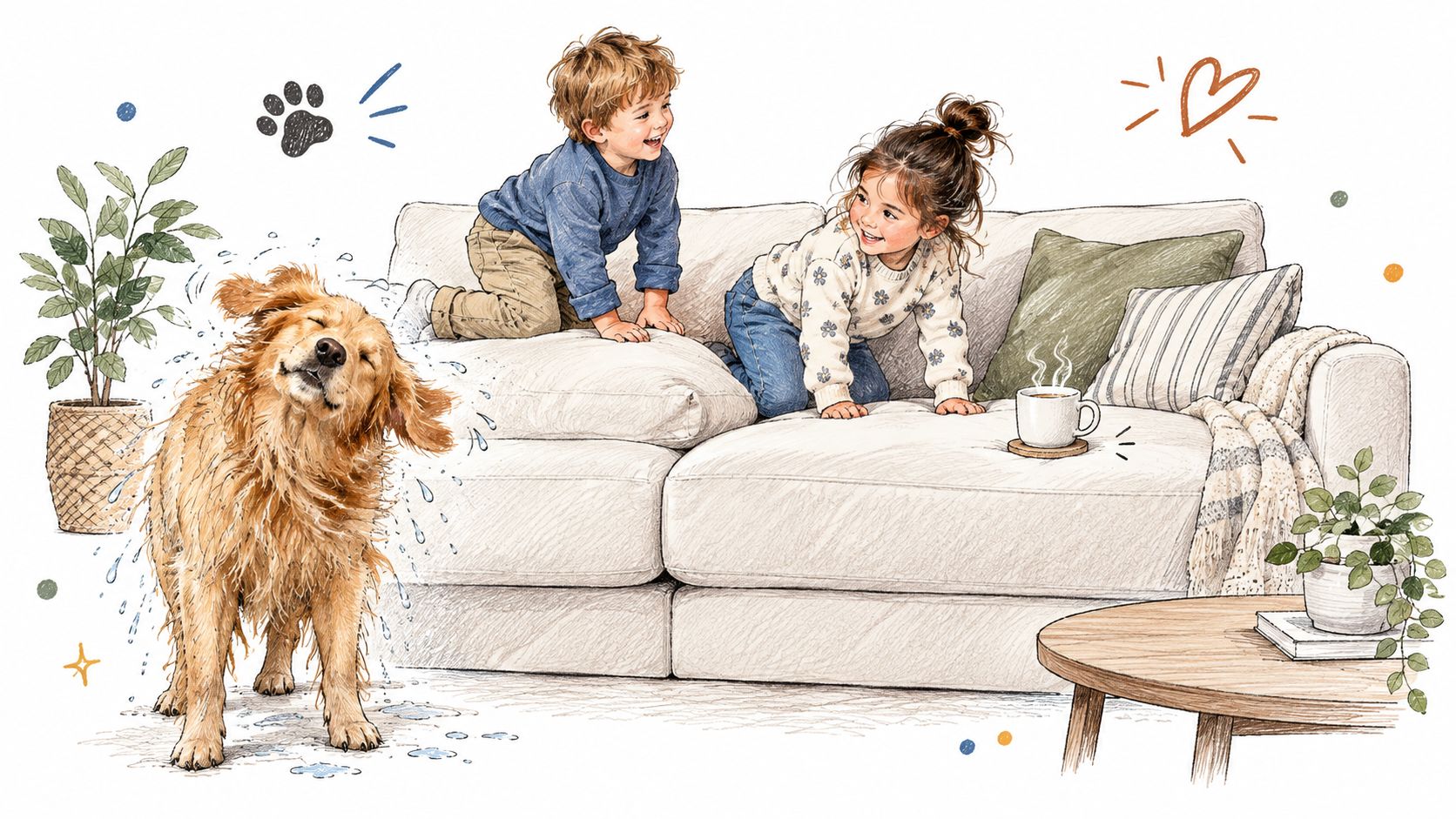
Saturday morning exposes every upholstery decision. Cereal lands on the seat while children play on the floor, a dog shakes off after a beach walk, and coffee finds the lightest cushion in the room. For homeowners across South Georgia and North Florida, performance fabric offers a practical way to keep lasting comfort without treating the sofa like a museum piece.
The right textile can simplify cleanup, resist daily friction, and preserve the room's character. It can also introduce trade-offs, including a warmer hand, less breathability, pilling, or a higher investment than standard upholstery. The most useful question isn't which label sounds strongest. It's which fabric matches the room, the household, and the way the furniture will be used.
When Saturday Morning Meets Your Sofa
A family-room sofa is usually the most-used seat in the home. People eat there, nap there, watch television there, and drop bags on it while passing through. That daily contact makes the upholstery choice more visible than many buyers expect, sometimes even more consequential to long-term appearance than the frame style or cushion comfort.
Consider a Fernandina Beach household with children, two dogs, and frequent trips to the shore. The sofa may face wet paws, sunscreen, sand, snack crumbs, and the occasional drink spill. A tightly woven, cleanable textile gives that family more practical freedom than a delicate open weave. It won't make the sofa indestructible, but it can make normal life less stressful.
A showroom rule worth remembering: the best performance fabric is the one that solves the room's actual problem, not the one with the loudest stain demonstration.
The trade-offs homeowners should expect
Softness and cleanability don't always rise together. A plush, loosely textured fabric may feel inviting but can catch claws, hold debris, or show pressure marks. A coated textile may handle spills impressively while feeling less airy against bare skin.
The starting price matters, but replacement matters too. A fabric that costs more at purchase may be a sensible investment if it keeps a heavily used sectional presentable and avoids an early upholstery decision. That calculation changes by room:
- Family room: prioritize abrasion resistance, easy cleaning, and a tight construction.
- Formal living room: allow more room for visual texture, drape, and refined hand-feel.
- Dining room: focus on concentrated wear at seat fronts and armrests.
- Coastal home: value UV, moisture, and mildew resistance over heavy plushness.
- Guest room: choose appearance first, unless the room regularly hosts children or pets.
The choice should begin with household patterns, not fabric names. Once those patterns are clear, the performance label becomes easier to interpret. Lott's has spent 78 years pairing customers with furniture for real homes, and that small-town service perspective remains useful even when the textile technology comes from a major national manufacturer.
What Performance Fabric Actually Means
Performance fabric is a technical upholstery category, not a single fiber. Manufacturers build or treat these textiles to improve resistance to stains, moisture, everyday wear, odor, or sunlight. Common constructions use polyester, acrylic, olefin, coated textiles, and treated natural blends, as described in this upholstery performance fabric guide.
A useful way to evaluate the category is to separate it into two broad construction approaches.
Fiber-level engineering and surface protection
Some textiles receive their performance characteristics from the fiber itself. Solution-dyed acrylic and olefin, for example, carry color throughout the fiber rather than relying only on a surface color layer. Polyester can also be engineered into tightly woven upholstery with a soft hand and strong everyday practicality.
Other fabrics rely on a finish or barrier. A topical treatment can help liquids remain on the surface long enough for blotting, while a moisture barrier or backing can slow penetration. Certain treated constructions include branded protective systems, fluorochemical-free alternatives, silicone finishes, or other barrier technologies. The exact chemistry matters, but the base fabric still matters just as much.
A textile's performance is best understood as a stack:
- Fiber chemistry affects color stability, feel, and basic resistance.
- Weave density affects snagging, abrasion, and how easily debris enters.
- Finish or coating affects repellency and cleanability.
- Backing affects moisture penetration and structural support.
- Care instructions determine whether the protection remains useful.
A tightly woven fabric may outperform a more heavily treated but loosely constructed textile in a home with pets. A coating may resist a spill but still fail to address pilling or abrasion. The research on commercial indoor upholstery also found that PFAS finishes improved stain performance only modestly on five of six fabrics, while differences among the underlying fabrics were larger, according to the published upholstery study.
What to request on the specification sheet
Before approving a fabric, a homeowner should ask for:
- Fiber content: Is it polyester, acrylic, olefin, a blend, leather, or a coated construction?
- Abrasion result: Which test was used, Wyzenbeek or Martindale, and what was the result?
- Cleaning code: Can the textile be cleaned with water, solvent, both, or neither?
- Pilling information: Has the manufacturer provided a pilling assessment?
- Light and moisture guidance: Is the fabric suitable for strong windows, covered porches, or humid rooms?
- Treatment details: Is the protection fiber-level, topical, backed, or layered?
A performance label starts the conversation. It shouldn't end it.
Comparing the Top Performance Fabric Categories
A family room with two dogs needs a different textile from a guest-only dining room. Coastal humidity, strong sunlight, frequent meals, and daily lounging each change the better choice. Start with the room and household habits, then compare the fabric category, construction, and care instructions.
Performance Fabric Categories Compared
| Fabric Category | Durability, Wyzenbeek or Double Rubs | Stain and Moisture Resistance | Breathability and Feel | Maintenance | Cost Tier |
|---|---|---|---|---|---|
| Treated woven performance fabric | Often built for residential through high-use applications | Strong spill resistance, especially with a moisture barrier | Soft to tailored, depending on weave | Blotting and approved cleaning methods | Mid to investment |
| Solution-dyed acrylic | Often selected for demanding indoor and outdoor use | Strong moisture, UV, and mildew resistance | Airier than many coated textiles, sometimes less plush | Straightforward routine cleaning | Mid to investment |
| Performance polyester | Commonly engineered for everyday upholstery; some treated polyester fabrics range from 20,000 to 50,000+ Martindale cycles | Good cleanability, depending on finish | Soft, versatile, and comfortable | Usually manageable with approved spot care | Value-focused to mid |
| Polyester-linen blend | Depends heavily on blend and construction | Moderate to strong when treated | Natural texture with a softer, more relaxed look | More care-sensitive than tightly woven synthetics | Mid to investment |
| Coated leather or leather-match | Wear resistance depends on coating and substrate | Wipeable surface, but seams and edges need attention | Smooth, less textile-like, may retain heat | Simple surface care, careful product selection | Mid to investment |
| Treated natural blend | Varies substantially by fiber and finish | Improved repellency, but not automatically stain-proof | Natural drape and tactile character | May need more careful cleaning | Investment |
| Indoor/outdoor olefin | Often chosen for high-use and outdoor-adjacent areas | Strong moisture and mildew resistance | Resilient, sometimes less luxurious in hand | Easy routine maintenance | Value-focused to mid |
Treated woven fabrics suit a busy family room with children and pets. Their textile face can remain comfortable while a moisture barrier helps manage spills. Choose a tightly constructed option, and blot accidents quickly. Treatment helps with cleanup, but it does not prevent pilling, abrasion, or wear caused by claws.
For a Fernandina Beach home with coastal humidity, bright windows, or a covered porch, solution-dyed acrylic is a practical choice. The color is built into the fiber, and the category handles sunlight, moisture, and mildew well. The trade-off is a hand-feel that may seem less plush than an indoor-first upholstery fabric.
Indoor/outdoor olefin also fits a sunroom, vacation rental, or active bonus room. It offers straightforward routine care and strong moisture resistance. Choose the weave carefully because some options feel more utilitarian than residential.
Performance polyester is my usual starting point for an everyday sofa or sectional. It offers a comfortable hand, broad color and texture options, and manageable spot care. For a household that uses the living room every night, select a dense construction with clear cleaning instructions rather than relying on the fiber name alone.
A polyester-linen blend works better in a lower-spill sitting room or guest-only dining area. Its relaxed texture brings more natural character, but the linen component can make the fabric more sensitive to wrinkling and cleaning. It is a style-led choice, not the first recommendation for two dogs and frequent snacks.
Coated leather or leather-match makes sense for dining chairs, a game room, or any space where wiping matters most. It cleans easily with approved products, though seams and edges still need attention. The surface feels warmer and more textile-like than upholstery, and unsuitable coatings can eventually show cracking or edge wear.
PFAS-free options deserve a place in the conversation. Ask whether performance comes from the fiber, weave, backing, or a topical finish, and confirm the manufacturer's cleaning guidance. For a room-by-room comparison of upholstery and leather, use this performance fabric versus leather guide to weigh feel, maintenance, and household habits together.
Reading Durability and Stain Claims the Right Way
A high rub count helps, but it does not describe every part of upholstery performance. Wyzenbeek and Martindale measure resistance to surface friction through different testing methods, so their figures are not interchangeable. Use the result to match the fabric with the room, not to chase the largest number on a specification sheet.
Abrasion Ratings in Real Homes
| Double Rubs, Wyzenbeek | Best Use | Household Fit | Example Fabric |
|---|---|---|---|
| 15,000+ | Private or lower-traffic spaces | Formal sofa or occasional chair | Refined woven upholstery |
| 30,000+ | Active residential use | Sectional used nightly by children and adults | Durable performance polyester |
| 50,000+ | High-use or contract-style conditions | Busy media room, rental, or frequent entertaining | Dense treated woven textile |
| 100,000+ | Very demanding applications | Rarely necessary for an ordinary home | Heavy-duty contract textile |
A formal sofa in a guest room or guest-only dining area can work well with a lower abrasion target because it sees limited use. For a family room with children, two dogs, and nightly lounging, 30,000+ double rubs is a sensible benchmark. A busy media room or rental may justify a higher result, but an extreme rating alone does not guarantee comfort, stain removal, or attractive aging.
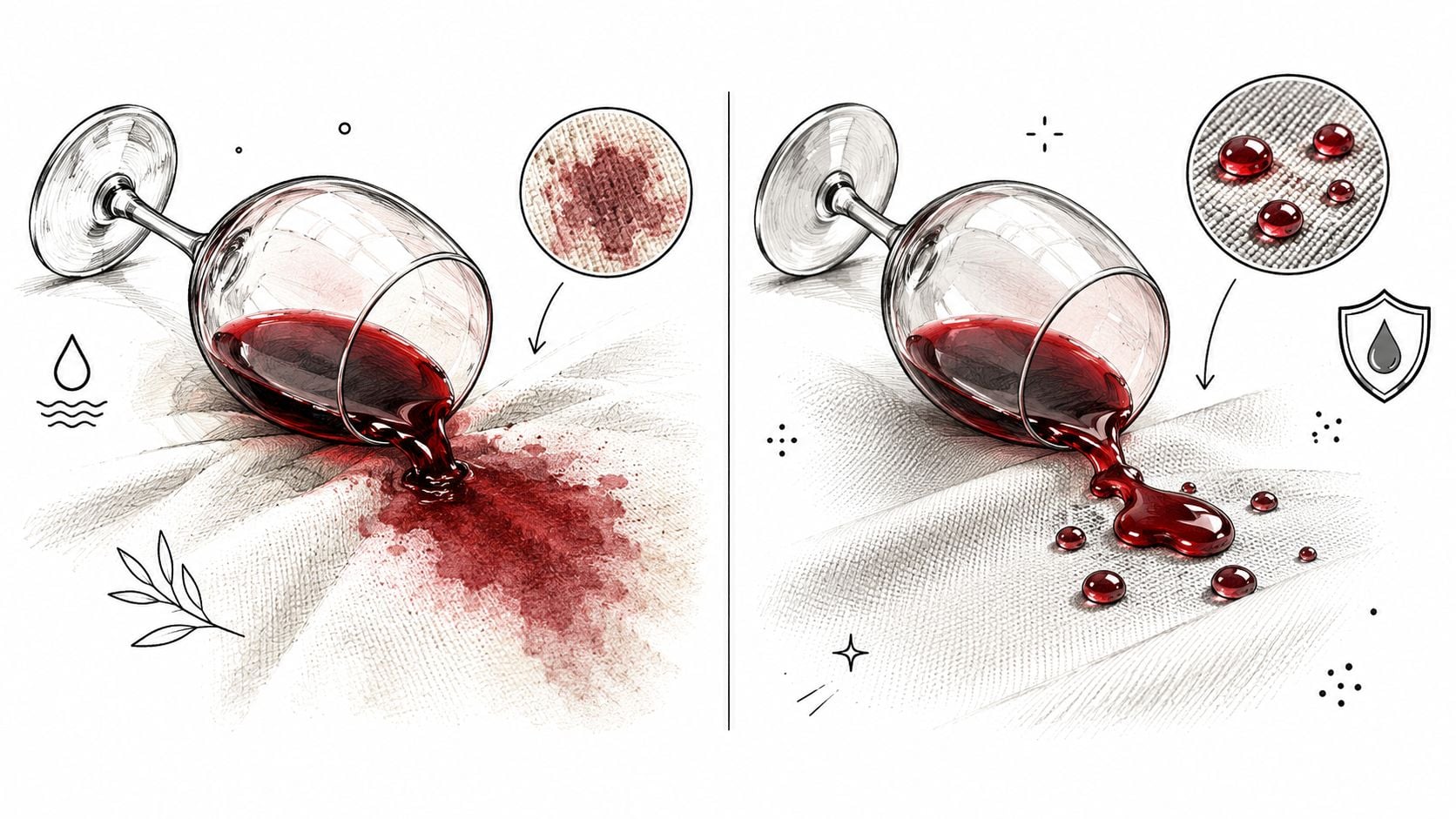
Stain performance requires a separate review. A topical treatment may help a spill bead on the surface, while fiber-level engineering can make yarns less absorbent or easier to clean. Ask which approach the fabric uses, because care instructions, long-term behavior, and professional-cleaning results can differ.
Practical rule: ask what happens after the first spill, not only what happens during the showroom demonstration.
A coastal home also needs answers about moisture handling, odor resistance, and UV stability. Pilling deserves its own check. A fabric can resist abrasion and still pill when its blend, yarn construction, friction pattern, or cushion use allows loose fibers to migrate.
Before ordering, request the cleaning code, manufacturer care sheet, abrasion method, pilling information, and treatment description. The upholstery cleaning codes explained guide clarifies why the code matters before professional cleaning. For stain claims and household-use questions, review this guide to stain-resistant upholstery fabric.
In our Fernandina Beach showroom, that paperwork matters as much as the swatch. For a sofa used every evening, choose documented care instructions and a construction suited to the household. For a lightly used formal piece, prioritize the hand and appearance instead of paying for contract-level performance you will never use.
The PFAS-Free Shift and What It Means for Your Home
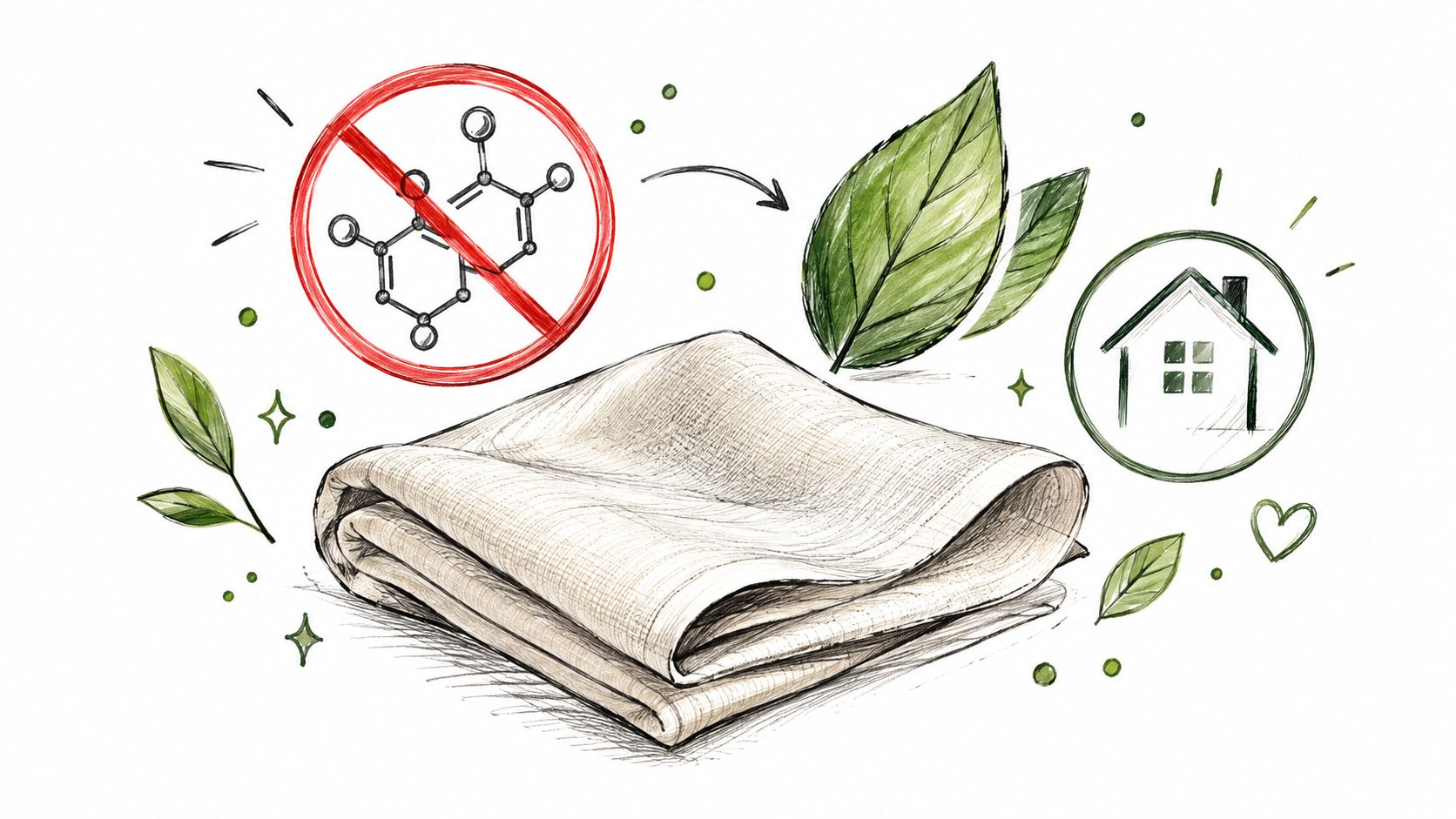
The industry is moving away from PFAS-based treatments, and that shift deserves more attention than it usually receives in furniture comparisons. PFAS, or per- and polyfluoroalkyl substances, have historically been used to improve oil and water repellency, but manufacturers and supply chains are developing non-fluorinated alternatives.
One market forecast projects the global PFAS-free performance fabric segment to reach USD 5.2 billion by 2025, with a 7.5% CAGR through 2033, according to the PFAS-free performance fabric market forecast. That is a projection, not a guarantee, but it shows why the chemistry is becoming part of the furniture-buying conversation.
What changes for the homeowner
Modern alternatives can use silicone, hydrocarbon, wax, silica, or bio-based approaches. The intended result remains familiar, liquids stay nearer the surface, spills can be addressed more easily, and the textile can remain comfortable. The performance isn't identical across every fabric, however, and buyers shouldn't assume that a PFAS-free label automatically means equal stain repellency, durability, or cleanability.
The more important distinction is between repellency and removal. A finish may slow penetration without making a stain disappear. A fabric may clean well after a spill while offering less oil repellency than an older treatment. The base weave, yarn, and backing still control much of the outcome.
Manufacturers have described PFAS-free technologies that are integrated into fibers or applied as protective systems, but the shopper should ask precise questions:
- Certification: Is the fabric represented as PFAS-free, and is supporting documentation available?
- Depth of protection: Is the treatment topical, fiber-level, or supported by a moisture barrier?
- Cleaning impact: Does professional cleaning require re-treatment?
- High-contact wear: How does the fabric behave on seat fronts, arms, and favorite lounging spots?
- Indoor air goals: Does the furniture carry a recognized indoor-emissions certification?
A PFAS-free fabric can be a buying advantage because it encourages a fuller evaluation. Instead of accepting “stain-proof” as the whole story, the homeowner can weigh chemical profile, comfort, construction, cleaning, and wear together. That is a better decision for a family room, particularly in a home where furniture is expected to serve for years.
Best Performance Fabric Picks by Room
The right performance fabric depends on how each room is used. A family room with two dogs needs a different construction from a guest-only dining room, and a coastal home has to account for humidity, salt air, and strong sunlight. Match the textile to the household first, then weigh appearance and hand-feel.
Family rooms with children and two dogs
Choose solution-dyed polyester or tightly woven olefin for seating that handles daily climbing, snacks, and repeated spot cleaning. Look for 30,000+ double rubs in an active residential setting, then inspect the weave itself. Snag resistance, pet-hair buildup, and cleaning instructions matter more than a durability figure alone.
A mid-tone or textured neutral can hide ordinary dust without making the room feel heavy. Skip open, looped textures when dogs regularly climb onto the cushions. A tighter construction may look less artisanal, but it is usually easier to maintain and less inviting to claws.
Formal living rooms built around appearance
A treated linen blend or performance velvet suits a formal living room where appearance carries more weight than constant rough use. These fabrics provide drape, depth, and a decorative presence that utility-focused textiles may lack.
They also require attentive care. Velvet can show directional shading, while linen blends may reveal wrinkles and pressure changes. Choose them for a room where cushions can be reset and spills can be addressed promptly. Homeowners comparing natural fibers can use this Quote My Wall fabric guide to understand linen and cotton's characteristic texture and behavior.
Dining rooms with concentrated wear
Dining chairs take repeated pressure at the seat front, armrests, and edges. A high-rub coated performance textile or treated leather is a better fit for a dining room used for regular meals than a delicate decorative weave intended mainly for occasional entertaining.
Treated leather allows quick surface cleanup, but it does not feel like woven upholstery and may show edge wear over time. A coated textile offers a softer visual language, though seams and high-contact areas still deserve close inspection. For guest-only dining, a more decorative fabric may be reasonable. For everyday family meals, choose construction and maintenance over surface beauty.
Coastal and vacation homes
Solution-dyed acrylics and comparable indoor/outdoor acrylic constructions deserve priority near salt air, strong windows, and humid conditions. They are valued for resistance to UV exposure, moisture, and mildew, making them a practical match for coastal rooms. Plush textures can hold heat or moisture and demand more caution.
The trade-off is tactile. A homeowner who wants a buttery indoor hand may prefer performance polyester, but strong sunlight and damp conditions require closer attention to placement and care. In a coastal retreat, dependable resilience should take priority over velvet-like softness.
Basements and bonus rooms
A darker performance polyester works well in media rooms and bonus spaces where snacks, casual lounging, and lower light set the routine. It can make minor marks less conspicuous while preserving a comfortable hand.
Check the sample before choosing a very dark, smooth textile. Dust, pet hair, and directional shading may stand out more than expected. Heathered or subtly textured surfaces often look more forgiving. For larger family seating, a performance fabric sectional extends that practical approach across the room.
Quality performance fabric commonly carries a stated expectation of $80 to $150 per yard, with custom upholstery adding labor. Treat that range as a supplied market guideline. The final quote depends on the furniture, manufacturer, fabric collection, and customization selected. A fabric's PFAS-free status should also be part of the room-by-room conversation, alongside comfort, cleaning, and wear.
Putting It Together with Our Special Order Program
A strong fabric decision becomes easier when the homeowner can evaluate the entire furniture package at once. Lott's Special Order Program supports personalized designs through many vendors, including choices involving fabric, finishes, cushion comfort, arm styles, and wood details. The process turns a general preference for the best performance fabric into a piece suited to one room.
The practical sequence looks like this:
- Start with the room: An associate reviews traffic, pets, children, sunlight, humidity, and existing décor.
- Shortlist fabric families: The shopper compares hand-feel, weave, color, cleaning instructions, and available performance information.
- Test samples at home: Swatches should be viewed in household lighting and beside floors, rugs, paint, and nearby case goods.
- Select the furniture details: Frame style, cushion feel, finish, and configuration complete the decision.
- Review the order: The manufacturer's specifications, care information, warranty terms, and estimated production schedule should be clear before approval.
- Prepare for delivery: White-glove scheduling coordinates placement, access, and room readiness.
Custom upholstery may take 6 to 12 weeks, depending on the manufacturer, according to the supplied program guidance. In-stock upholstery offers more immediate availability, but it may limit fabric, finish, configuration, or comfort choices. Warranty coverage can also differ between standard and special-order pieces, so those terms should be reviewed before the order is finalized.
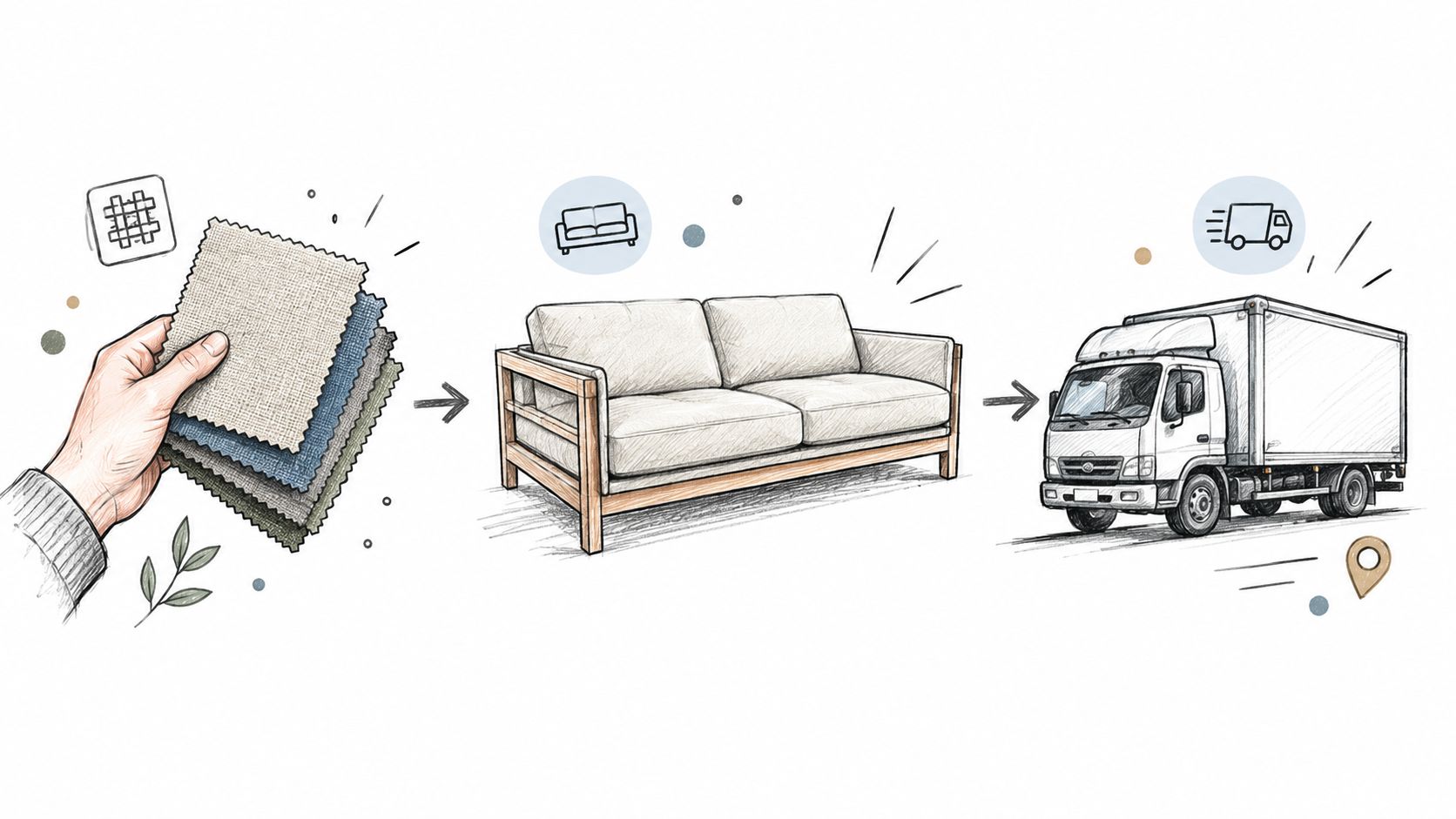
Lott's delivery standard includes white-glove, in-home delivery. Each piece receives a rigorous multi-point inspection, and delivery teams place the furniture in the selected room rather than leaving the homeowner to manage the final setup. Customers should inspect upholstery, seams, corners, finishes, and hardware before signing, following the kind of documented delivery inspection described in this furniture delivery and inspection policy.
Homeowners can begin with the custom order process, then use the Style Quizzes, digital catalog, and Mattress Guide as planning tools. In-store associates remain available for design decisions, and the transition between browsing online and visiting the Fernandina Beach showroom is designed to be straightforward. Lott's also serves shoppers throughout South Georgia and North Florida, with showroom support that connects digital inspiration to physical fabric samples and furniture testing.
Visit Lott's Furniture in Fernandina Beach to compare performance fabrics under real showroom lighting, or begin an online style consultation from home. Associates can help match the fabric, finish, cushion comfort, and room function before a special-order piece moves into the white-glove delivery process.