
Performance Fabric Sectional: 2026 Buying Guide


A sectional often becomes the room's headquarters. It's where movie nights stretch out, where guests gather after dinner, where dogs claim a favorite cushion, and where somebody eventually sets down a glass a little too casually.
That's why so many homeowners in South Georgia and North Florida pause at the same point. They want a living room that feels polished and welcoming, but they don't want to spend every evening worrying about snacks, spills, pet fur, or the wear that comes from everyday life. A beautiful sofa shouldn't turn a comfortable home into a high-alert zone.
A performance fabric sectional answers that tension better than almost any other upholstery choice. It gives a room the scale and comfort people love about sectionals, while adding fabric technology built for family use, entertaining, sunlight, and repeat cleanups. The result isn't just practical seating. It's a living room that feels easier to live in.
Your Living Room A Sanctuary Not a Worry Zone
A familiar scene plays out in many homes across South Georgia and North Florida. Friends come over, children settle in with a snack, the family dog jumps up before anybody can stop him, and someone wonders whether the sofa can survive the evening.
That concern makes sense. A sectional is usually one of the biggest upholstery decisions in the home. It anchors the room visually, shapes traffic flow, and handles the most daily contact. If the fabric feels delicate, the whole room can feel harder to enjoy.
Why homeowners gravitate toward performance fabric sectionals
A performance fabric sectional works because it respects real life. It doesn't ask a family to choose between a formal room and a usable one. It gives the space a softer kind of confidence.
For many households, that means:
- Less fear around daily use so the main seating area gets enjoyed
- A more forgiving surface for homes with children, pets, and frequent guests
- A better fit for open-concept rooms where the sectional is always visible and always in use
A living room feels more luxurious when people can relax in it, not when they're afraid to touch it.
What creates that peace of mind
The appeal isn't just stain resistance. It's the combination of comfort, scale, and durability. A sectional already solves common layout problems by offering more seating and better lounging. Add a fabric designed for harder use, and the piece starts to function like an investment in the rhythm of the home.
That matters for coastal and inland homes alike. Some households need seating that can handle everyday family traffic. Others need a polished room that still stands up to guests, bright windows, and regular entertaining. In both cases, the right sectional turns the room into a sanctuary instead of a maintenance project.
Decoding Performance Fabrics What They Are and How They Work
The term performance fabric confuses plenty of shoppers because it sounds like a brand name or a single textile. It isn't. It's a category of upholstery fabrics engineered to handle heavier wear and easier cleanup than standard decorative fabrics.
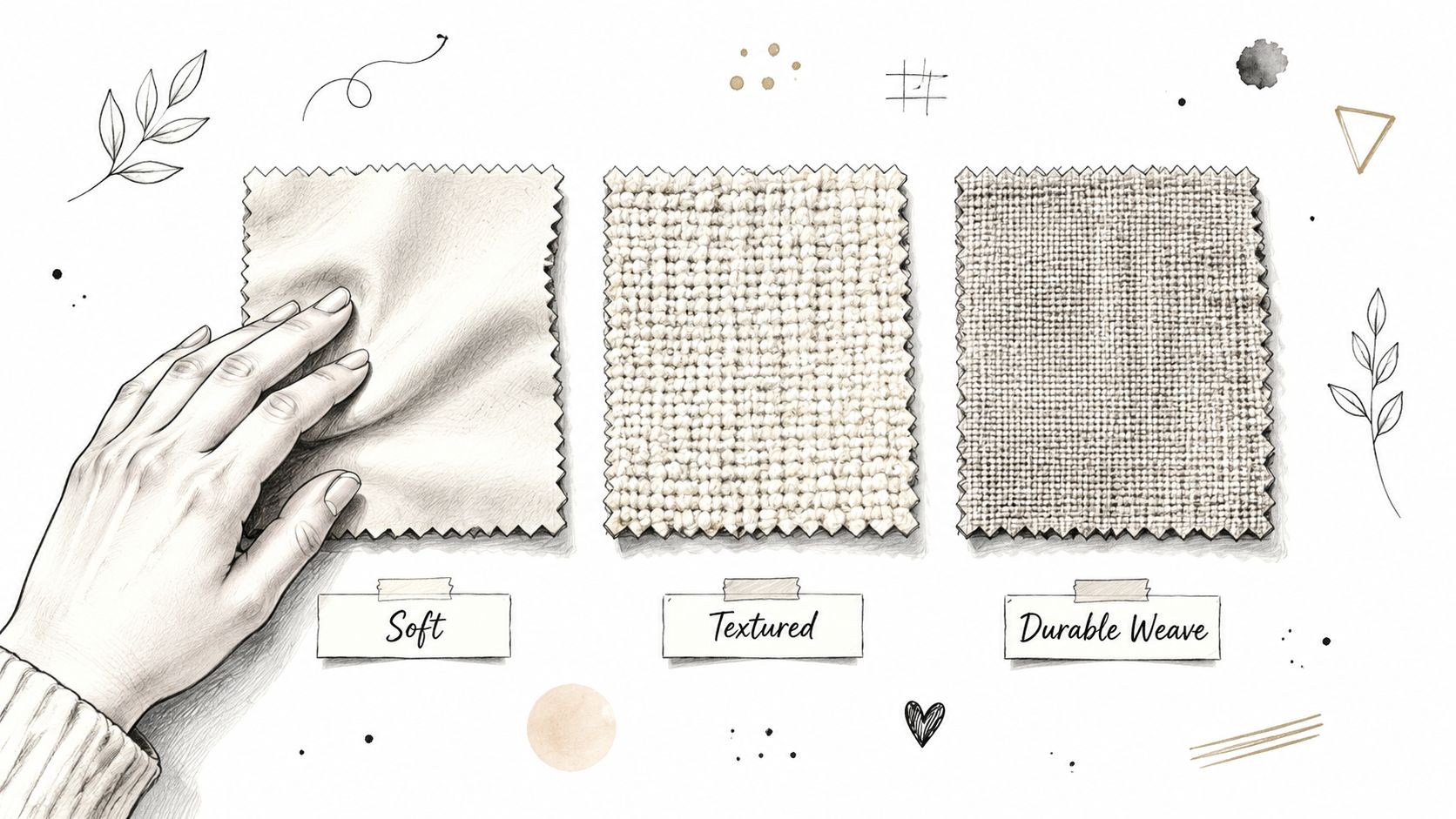
The simple version of how performance fabric works
The easiest comparison is high-quality activewear. A workout shirt isn't just cloth. Its fibers, construction, and finish are chosen for a job. Upholstery performance fabric works the same way.
Industry guidance describes performance as being created in two main ways, through yarn-based engineering or through added chemical finishes that improve repellency and cleanability, as outlined in this performance fabric overview. In practical terms, performance upholstery commonly uses polyester, olefin, nylon, or acrylic fibers with a tight weave and a protective treatment that helps resist stains, fading, and moisture.
That's why shoppers shouldn't think of performance upholstery as one magic cloth. It's a system.
What the fabric is trying to do
A performance fabric sectional is usually designed to help with several everyday problems at once:
- Stains: Liquids and messes are less likely to sink in immediately
- Fading: The fabric is better suited to rooms with regular light exposure
- Moisture: Short-term spills are easier to manage before they become deep-set issues
- Wear: Repeated use is less punishing on the surface than with many decorative-only fabrics
One helpful place to continue that learning is Lott's guide to performance fabrics for upholstery, which walks through how these textiles fit into everyday furniture shopping.
Why this category keeps growing
This isn't a passing label created for showroom marketing. It's become a substantial category in furniture. The furniture performance fabric market was valued at $1.8 billion in 2023 and is projected to reach $3.6 billion by 2032, according to Dataintelo's furniture performance fabric market report.
That growth suggests buyers are actively looking for upholstery that balances style with durability. For sectional shoppers, that's especially relevant because sectionals tend to be high-use, high-visibility pieces. People want them to look good on day one and still feel sensible after years of movie nights, visiting relatives, and ordinary family traffic.
Practical rule: A performance label should start a deeper conversation, not end it. Fiber content, weave, finish, and expected use all matter.
Choosing Your Ideal Fabric Material and Weave
A performance label gets you into the right aisle. The fabric material and weave help you choose the sectional you will enjoy living with.
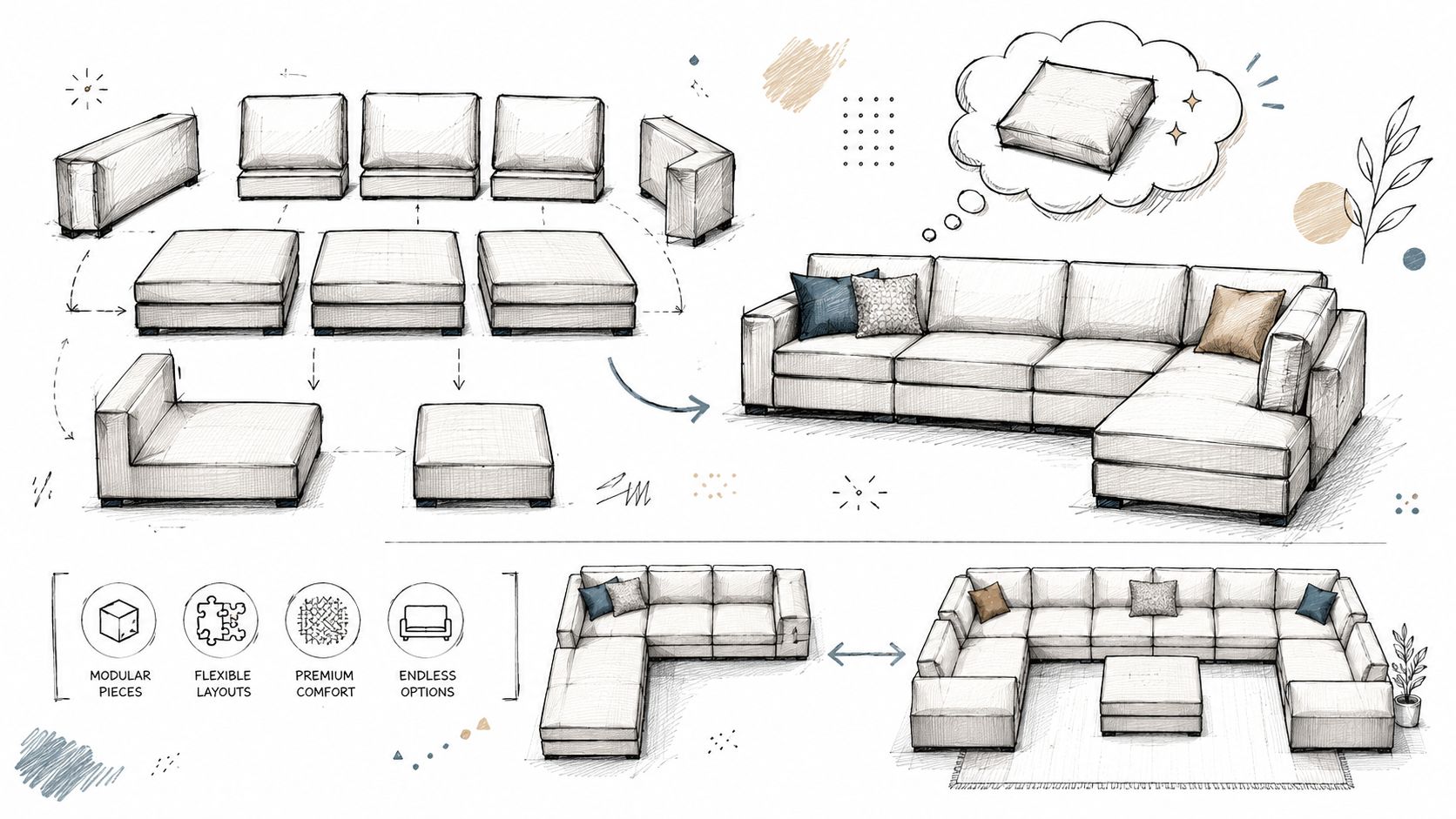
Start with how the fabric feels in real life
Two performance fabric sectionals can look similar online and feel completely different once you sit down. One may have a soft, brushed surface that feels warm during a long evening of TV. Another may feel smoother and more structured, with a flatter surface that gives the room a cleaner appearance.
That difference matters more than many shoppers expect.
In South Georgia and North Florida homes, the right feel often depends on the pace of the room. A busy family room usually benefits from a fabric that stays neat-looking between cleanings. A quieter sitting room may leave more room for texture and softness. At Lott's, this is often the point where online research turns into a useful showroom visit, because your hand can sort out in ten seconds what a product photo cannot explain clearly.
Material and weave do different jobs
Material affects softness, texture, and overall character. Weave affects how the surface looks, how it wears, and how easily it shows wrinkles, lint, or everyday use.
A simple way to picture it is this. The material is the ingredient. The weave is the recipe. Even with a performance finish, those two choices still shape how the sectional will feel month after month.
For broader context, Lott's guide to upholstery materials and how they affect comfort, upkeep, and appearance can help you compare the basics before you settle on a specific sectional fabric.
Soft textures versus tighter weaves
Soft, plush textures usually feel welcoming right away. They can make a large sectional feel relaxed and comfortable, which is why many families gravitate toward them for dens and everyday gathering rooms.
Tighter weaves usually create a cleaner, more orderly look. They often hold their shape visually a little better, which helps if you want the sectional to look crisp even after a weekend full of use. The tradeoff is feel. Some tighter weaves are less cozy against bare skin, especially for shoppers who want that sink-in, curl-up comfort.
Neither option is better across the board. The better option is the one that fits your home.
A practical comparison you can use in the showroom
| Fabric feature to compare | What you will usually notice | Often a good fit for |
|---|---|---|
| Plush texture | Softer hand, warmer feel, more casual look | Family rooms, dens, everyday lounging |
| Tight weave | Smoother surface, cleaner lines, more orderly appearance | Shared living spaces, busy households |
| Performance finish on either type | Similar look and feel, with added help for daily upkeep | Homes that expect regular use |
How to narrow the choices without getting stuck
Start with the problem you are trying to prevent, not the color you like best.
- Pets jump up often: Look for a weave that appears clean and orderly, with less visual fuzziness
- Kids eat and lounge on the sectional: Focus on fabrics that feel easy to wipe down and do not seem overly absorbent
- You want a polished room that still gets real use: Choose a smoother, more structured surface with performance protection
- Comfort comes first: Pick the softest fabric that still fits your cleaning habits and traffic level
A good local showroom helps. A sectional is not just a swatch on a screen. At Lott's Furniture, shoppers can compare texture, weave, and color in person, then match those choices to the way their own household lives. That makes the path from research to customization much clearer, and it helps you choose a fabric that will still make sense once it is delivered and in daily use.
Tailoring Your Sectional Size Configuration and Comfort
A sectional can have the right fabric and still feel wrong in the room if the size or layout misses the mark. The goal is to create a seating plan that supports how your household lives, not just how the room looks in a listing photo.
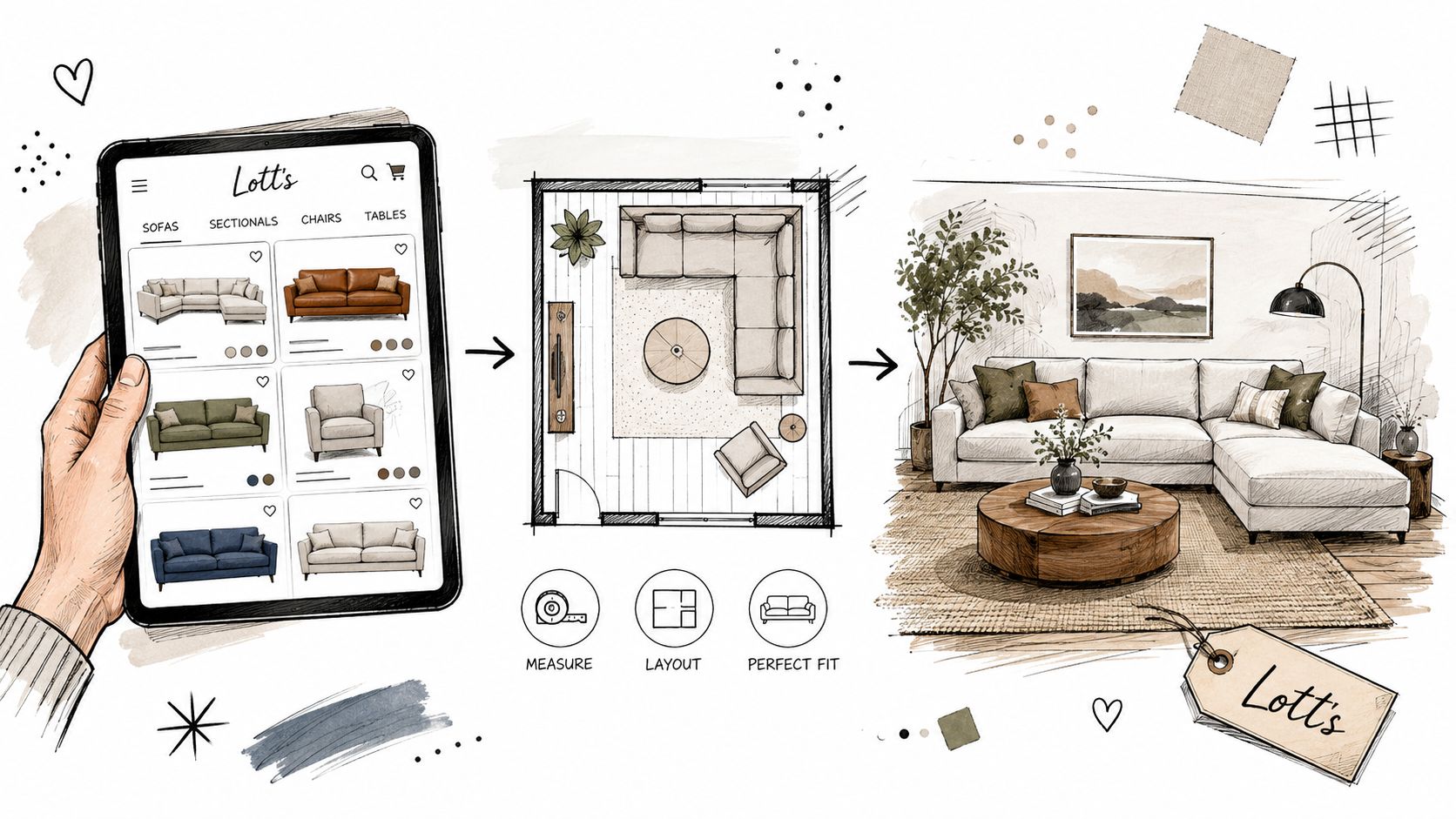
Configuration changes how the sectional wears
Shape affects daily wear just as much as fabric choice. A corner seat usually handles different pressure than a middle cushion. A chaise often becomes the favorite landing spot for reading, naps, and movie nights. Seams at the front edge and inside corners tend to see repeated contact from sitting down, getting up, and shifting positions.
That is why the same performance fabric can feel different from one sectional layout to another. A straight sofa spreads use more evenly. A sectional creates comfort zones, and those zones attract repeat use. Over time, the busiest spots tell the story of how the room functions.
How to match shape to room life
Start with traffic flow first. If people have to sidestep the chaise every day or squeeze around the return to reach another seat, the sectional is working against the room.
A few common setups usually make the decision clearer:
- L-shaped sectionals help define a seating area in open layouts without closing the room off.
- Chaise sectionals give one person a dedicated lounge seat while keeping the footprint fairly compact.
- Modular sectionals suit households that rearrange often, entertain in different group sizes, or may move to a new home later.
- U-shaped sectionals create a conversation hub, but they need enough square footage to avoid overwhelming the space.
One simple rule helps. Leave enough open room for people to walk naturally around the sectional, just as they would around a kitchen island. A living room should feel easy to move through.
Comfort choices matter as much as measurements
Size gets attention because it is easy to measure. Comfort takes more care because it is personal.
Seat depth changes the whole posture of the piece. A shallower seat supports upright conversation and makes it easier for many adults to place both feet on the floor. A deeper seat invites lounging, stretching out, and piling in with kids or pets. Back height, arm shape, and cushion fill all shift the experience too. A low, sleek arm can look lighter in the room, while a fuller arm gives more support for afternoon reading or family movie time.
That is why a planning tool such as Sectionals 101: what you should know before buying a sectional can help before you settle on a layout.
Special ordering often solves the real problem
Floor samples are useful for getting a feel for scale and comfort, but they are only the starting point. South Georgia and North Florida homes vary quite a bit. A beach-area condo may need a tighter footprint and lighter visual profile. A larger family room may need more seating, deeper cushions, or a different arm style so the sectional feels balanced from wall to wall.
At Lott's Furniture, that is where the buying process becomes more practical. Shoppers can begin with online research, come into the showroom to test sizes and seat feels in person, and then fine-tune the details for their home. That local step matters. Room dimensions on paper are one thing. Sitting in the corner seat, checking the chaise length, and confirming that the walkways still feel comfortable is what turns a good choice into a lasting one.
The best sectional fit usually comes from matching three things at once: the room's size, the household's habits, and the comfort level people will use every day.
The Complete Lotts Experience From Showroom to Living Room
Saturday morning starts with a familiar scene. You are on the couch with coffee in hand, comparing sectional shapes on your phone while trying to picture what will suit your space. By that afternoon, important questions show up. Is the seat deep enough for movie night? Will the fabric feel good every day, not just look good in a photo? Can the sectional make it through the front door and land in the right spot without a headache?
That is the gap Lott's helps close for South Georgia and North Florida homeowners. The process begins online, continues in the showroom, and ends at home with the sectional placed where it belongs.
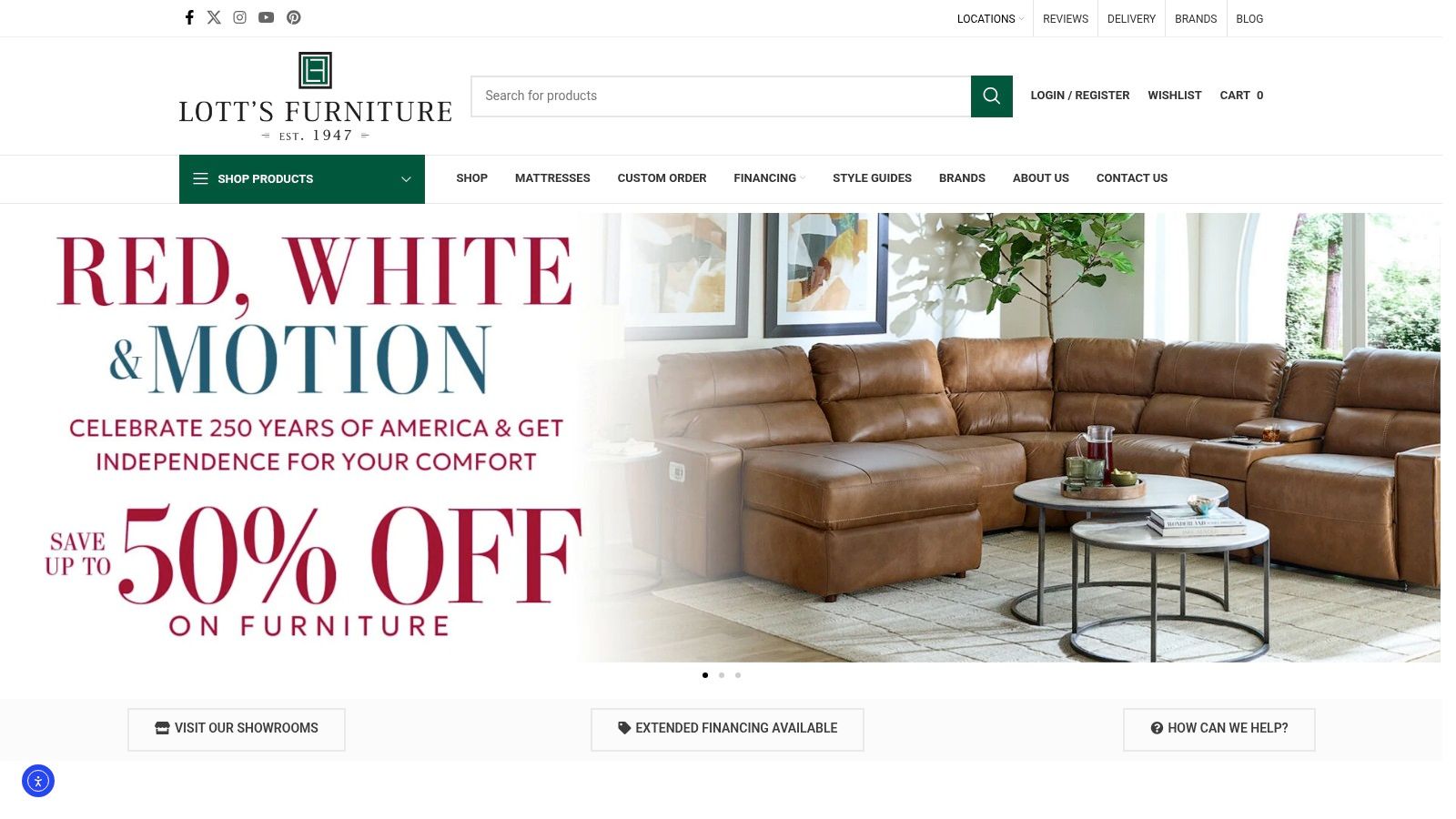
Online research starts the conversation
Online browsing is useful for narrowing the field. It helps you sort out broad decisions first, such as whether your room wants a clean-lined sectional, a softer traditional shape, or something in between. For many households, that first pass removes obvious mismatches before anyone spends time walking a showroom floor.
It also helps you arrive with better questions. Instead of saying, "I need a sectional," you can say, "I need a right-arm chaise, a family-friendly fabric, and seats that do not feel too low." That is a much easier place to start, both for the shopper and for the designer or sales associate helping them.
The showroom turns guesses into decisions
Screens are good at showing color families and overall shape. They are not good at showing comfort.
In the showroom, you can test the details that matter in daily life. Sit in the corner seat. Check whether the back cushion supports your shoulders. Notice whether the fabric has a smooth hand or more texture. A sectional works a lot like a pair of boots. The measurements may look right on paper, but the true answer comes when you try it for yourself.
For local shoppers, that in-person step is often what prevents an expensive near-miss. A sectional that looked perfect online may feel too deep for upright sitting, or the arm height may be wrong for afternoon reading. Another option may surprise you and fit your room and routine much better.
From order to delivery, the final details matter
A sectional purchase is not finished when the order is placed. It is finished when each piece arrives in good condition, fits the room, and is set where your household will use it.
Lott's keeps that last stage practical. After you choose the configuration and fabric, the process continues with inspection, placement, and setup through its furniture delivery and assembly service. That matters with large sectionals, especially when multiple pieces, connectors, and room access all need to line up correctly.
Households also do well when they prepare for real life after delivery. If you want a helpful companion guide for day-to-day cleanup habits, this resource on stain removal from microfiber sofas covers practical cleaning basics that overlap with how many families care for upholstered seating.
A good buying experience feels calm from start to finish. You research at home, confirm comfort in person, customize for your space, and have the sectional delivered ready for daily living. That is the full path from showroom to living room.
Living With Your Sectional Care Cleaning and Styling
Saturday evening looks a little different once a sectional becomes the center of family life. Someone sets down a glass without a coaster. A dog jumps up after coming in from the yard. Kids sprawl across the corner seat with snacks and a movie. That is the ultimate test of performance fabric. Daily living.
Performance fabric helps a sectional stay presentable with less stress, but it still needs sensible care. The easiest way to understand it is this. The fabric is built to give you more time and better odds with spills and wear. It is not built to ignore every mess on its own. For South Georgia and North Florida homes, where humidity, pets, sandy shoes, and busy family rooms are common, that difference matters.
A simple cleaning routine that keeps the fabric looking good
Start small and stay calm. Fast, gentle cleanup usually works better than strong products and hard scrubbing.
- Blot first: Use a clean, dry cloth to lift the spill. Rubbing pushes liquid deeper into the weave.
- Check the care tag or manufacturer guidance: Some sectionals handle water-based cleaning well, while others need a more specific method.
- Test before treating: Try any cleaner on a hidden area first so you do not trade one problem for another.
- Use the mildest option that fits the mess: A little water or a gentle upholstery cleaner is often enough for fresh spills.
- Let the spot dry completely: Damp fabric can attract more soil if it stays wet.
If your household also has microfiber furniture, or you want a practical refresher on safe spot cleaning habits, this guide to stain removal from microfiber sofas is a useful companion.
Regular upkeep helps too. Vacuuming the seat and back cushions removes dust, crumbs, and grit before they settle into the fibers. Rotating loose cushions, if your sectional has them, helps the seating wear more evenly over time.
What performance fabric can handle, and what still calls for caution
A good rain jacket resists water better than a cotton sweatshirt, but you still would not leave it in a muddy pile for days. Performance upholstery works in a similar way. It gives your household a stronger defense against common spills and daily use, but residue that sits too long can still stain or dull the fabric.
A few troublemakers deserve quick attention. Oil-based foods, ink, dark sauces, makeup, and anything sticky tend to become harder to remove the longer they remain on the surface. Harsh brushes can rough up the weave. Sharp pet nails, metal rivets on jeans, and rough bag straps can snag textured fabrics.
That is why pet owners should look past the word performance and study the surface itself. Tighter weaves usually hold up better than loose, chunky, or heavily nubby textures in homes with animals. If pets are part of your buying decision, this guide to pet-friendly couch fabric will help you compare surfaces more clearly.
Styling a practical sectional so it still feels polished
Easy-care upholstery does not have to look overly casual. Styling is what turns a hardworking sectional into a room that feels finished.
In many South Georgia and North Florida homes, the most successful rooms balance comfort with a sense of lightness. A sectional in a clean neutral fabric can handle everyday traffic, then soften beautifully with a few thoughtful layers. Pillows add color without asking you to commit to a bold sofa. A washable throw brings texture and helps protect a favorite seat. Wood tables, woven baskets, and lamps with warm finishes keep the room grounded instead of sterile.
A few approaches tend to work especially well:
- Coastal calm: sand tones, soft blue accents, light wood, and airy textures
- Classic comfort: precisely styled lamps, warm neutrals, framed art, and structured accent chairs
- Family-friendly casual: practical throws, easy-to-clean tables, and a mix of soft and durable textures
The fabric should match the mood of the room. A smoother weave often looks sharper in a more refined space. A softer, more textured fabric can make a large room feel warmer and more relaxed. The goal is a living room that feels lived in, not worn out.
Frequently Asked Questions and Your Next Step
Is a performance fabric sectional hot or less breathable
Sometimes it can feel that way, depending on the weave and finish. Tighter, more durable fabrics may trade a bit of softness or breathability for easier maintenance. That doesn't make them uncomfortable. It means feel should be tested in person, not assumed from a label.
Does it feel the same as natural fiber upholstery
Not always. Some performance fabrics feel smooth and crisp. Others feel plush and surprisingly soft. The difference usually comes down to the specific fiber blend, weave, and surface treatment, which is why swatch handling and showroom testing are so valuable.
Can a shopper get a sectional that's customized
Yes. Most quality upholstery vendors support personalized options through special ordering. That can include fabric selection, sectional configuration, comfort level, arm shape, and other details that help the piece fit the room better.
What should a shopper bring to the store
Room measurements, photos, and a rough floor plan help the most. It also helps to bring a short list of lifestyle needs, such as pets, children, entertaining, or direct sunlight, because those details affect the fabric and configuration choice.
Where should shoppers begin
The easiest path is to narrow style online first, then test comfort and texture in person. For South Georgia and North Florida homeowners, that blend of digital research and showroom evaluation usually leads to a much more confident purchase.
For anyone ready to explore a performance fabric sectional in person, Lott's Furniture offers a practical next step. Shoppers can browse the digital catalog, use the Style Quizzes for direction, and then visit the Fernandina Beach showroom for hands-on fabric and comfort testing with in-store associates. A showroom visit or an online style consultation can turn broad ideas into a sectional plan that fits the room, the household, and the way the home is used.


