Save 50% Off MRSP on Lexington | Shop the Catalog >

Best Sofas for Pet Owners: Lott’s Furniture 2026

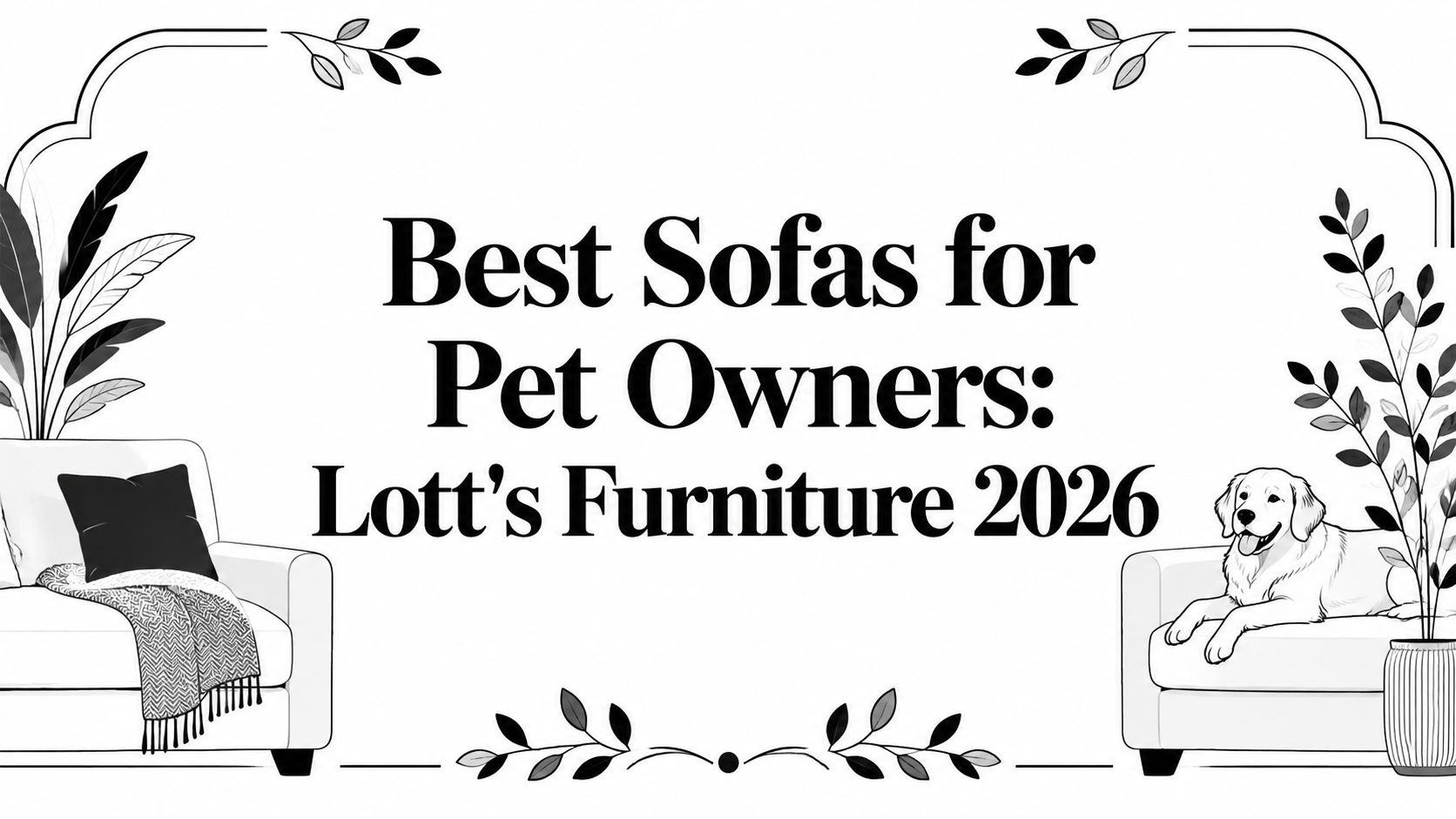
A sofa can feel like the center of the home until the dog claims one corner, the cat tests the arm with a claw, and a muddy paw lands on the light cushion that looked so good in the store. That tension is familiar in homes across South Georgia and North Florida. People want a room that feels polished and welcoming, but they also want pets to live in it comfortably.
The good news is that those goals don't conflict as much as they used to. The best sofas for pet owners aren't defined by one miracle fabric or one trendy silhouette. They come from better decisions about frame strength, cushion resilience, upholstery construction, and easy-care design. A well-chosen sofa can still feel tailored and beautiful without living under a pile of throws.
Finding Your Perfect Pet Friendly Sofa
A common scene plays out the same way. A family finds a sofa they love, brings it home, and within weeks starts “protecting” it with blankets, seat covers, and a growing list of house rules that nobody follows for long. The sofa is technically in the room, but it isn't being enjoyed.
That usually happens because the purchase was based on color, softness, or showroom first impressions alone. Pet-friendly furniture asks a different question. It asks how a sofa will behave on an ordinary Tuesday, when a dog jumps up after a walk, a cat naps in the same spot every afternoon, and fur settles into every corner by evening.
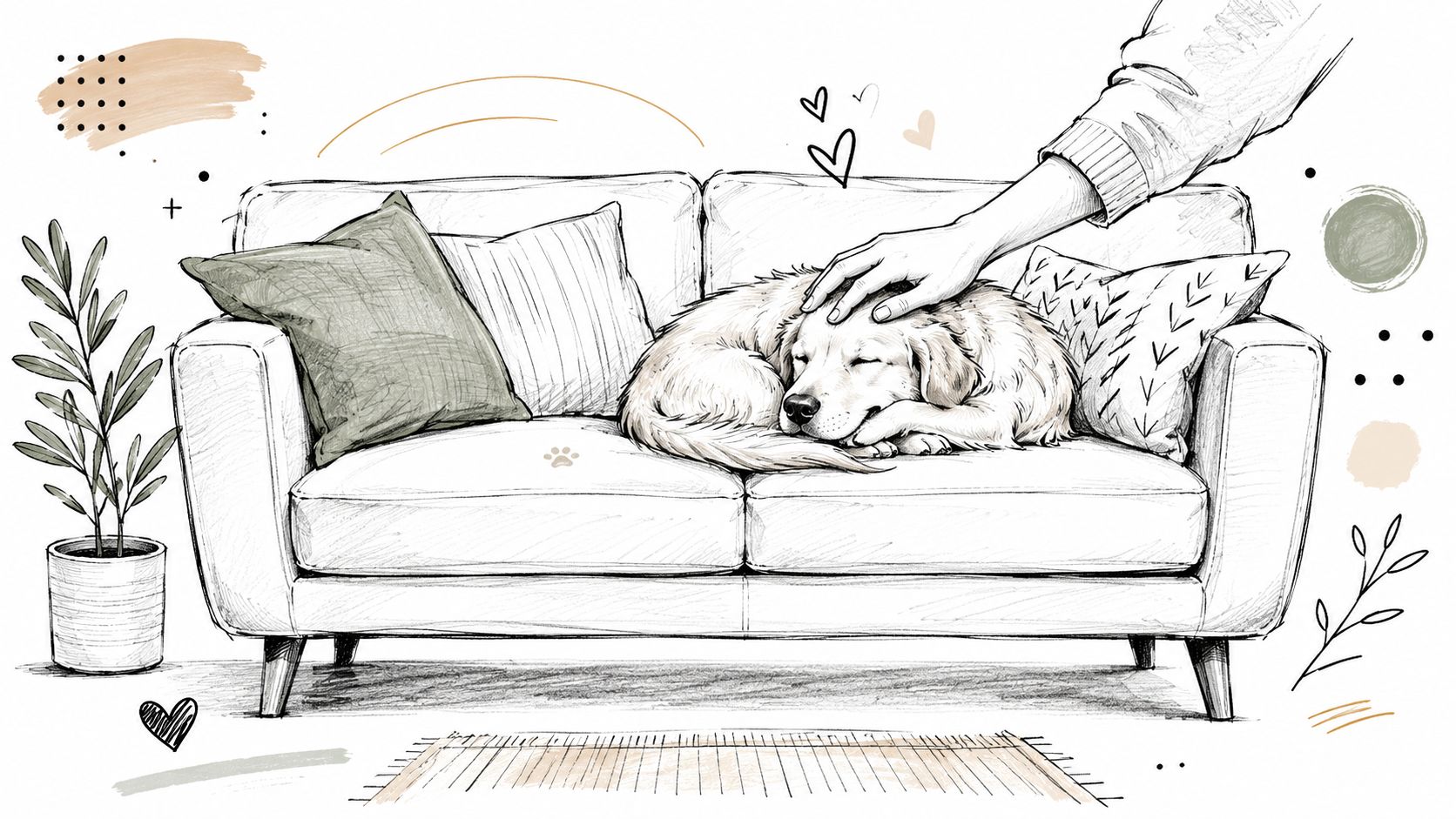
For many households, the turning point is realizing that “pet friendly” doesn't mean settling for a casual, purely utilitarian look. It means choosing materials and construction that support the way the home is used. A refined sofa with the right fabric and a sturdier build can outperform a softer, looser, more delicate piece that looked luxurious at first glance.
What most pet owners need first
Readers often get stuck on fabric names too early. Fabric matters, but the first step is simpler.
- Daily habits: Does the pet shed heavily, scratch at corners, drool, or track in dirt?
- Favorite zones: Does the pet sleep on seat cushions, perch on the back, or lean against the arms?
- Cleanup reality: Is the household likely to remove covers and vacuum often, or does it need a lower-maintenance setup?
A practical starting point is learning how pet-safe design choices work together. This guide on kid-friendly and pet-friendly furniture gives homeowners a helpful foundation before they narrow down specific upholstery options.
A pet-friendly sofa should still feel like the best seat in the house, not the piece everyone is trying to save from the house.
The right choice lets the room look intentional again. No apology blankets. No constant worry. Just a sofa that welcomes every member of the household.
Understanding Pet Friendly Sofa Construction
Most shoppers touch the fabric first. Pets test the structure first. Jumping, circling, digging, and sleeping in the same spot all put stress on the parts nobody sees.
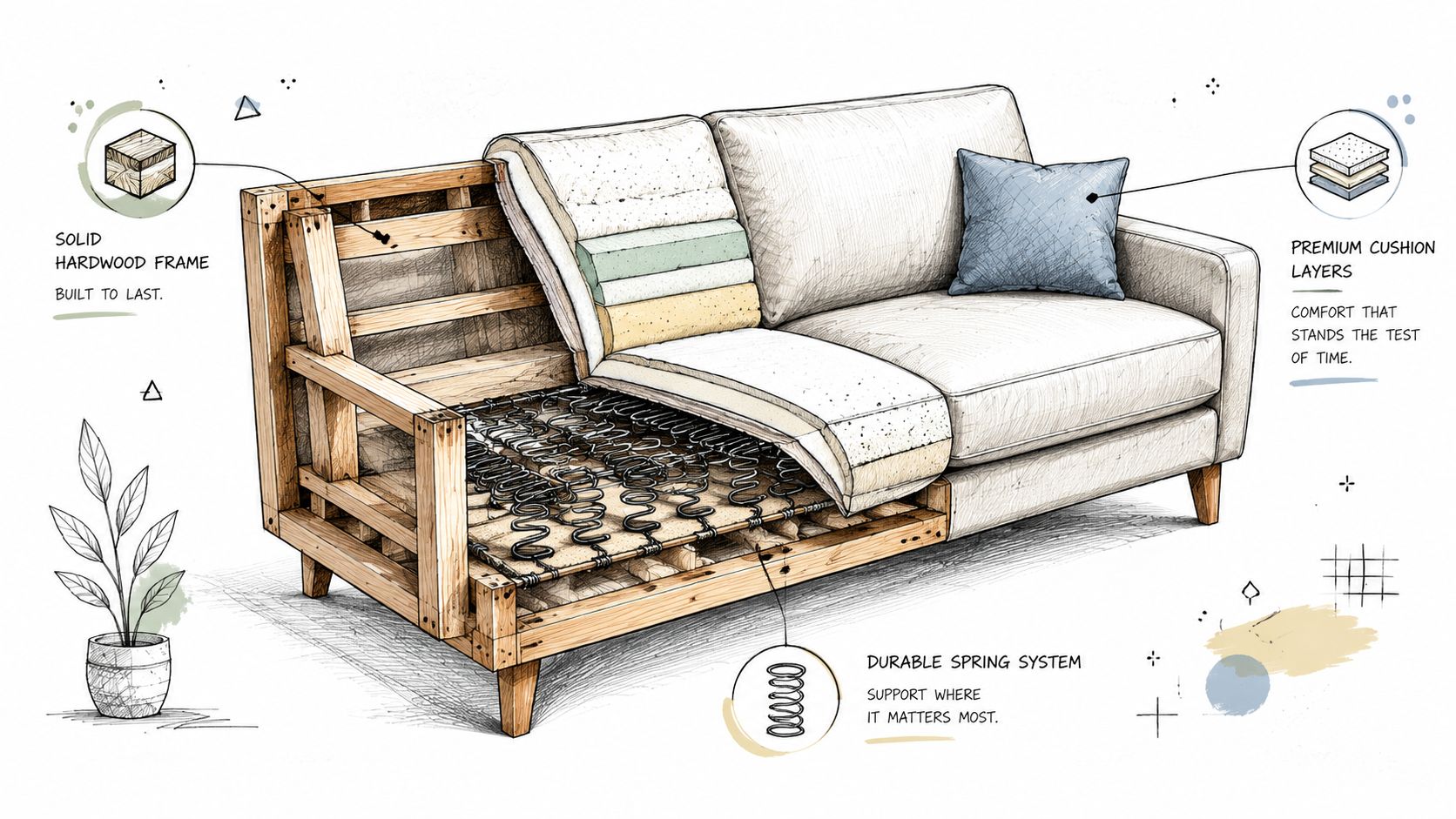
A sofa built for pets starts with the frame, the suspension, and the cushion core. If those elements are weak, even a durable-looking fabric won't save the piece from sagging, shifting, or losing shape too soon.
Start with the frame
Think of the frame as the skeleton. If it flexes too much, every other part of the sofa wears faster. Pet owners should look for solid or modular frames, since current expert recommendations emphasize tight-weave, low-pile upholstery, removable covers, and solid or modular frames as core design features because they reduce snagging, simplify cleaning, and extend service life in homes with dogs and cats.
That point matters because pets rarely use a sofa gently. They launch onto it, lean against one arm, push off the front rail, and settle into one repeated nesting spot. A stronger frame handles that uneven pressure better.
Signs of better structure often include:
- Stable feel: The sofa shouldn't wobble when weight shifts from one seat to another.
- Firm joinery: Arms and back should feel connected, not slightly loose.
- Consistent alignment: Cushions should sit evenly, with no visible twisting in the frame.
Suspension matters more than people expect
Suspension is the support system under the cushions. Many shoppers only notice it once a sofa starts to feel tired. In pet households, that can happen faster because a favorite sleeping spot gets compressed every day.
A good suspension helps the seat bounce back and keeps the sofa from developing a dip in one place. Sinuous springs are common and can perform well when they're properly installed and evenly tensioned. What matters most is that the seat support feels even from side to side and doesn't creak or collapse inward under concentrated weight.
Practical rule: Sit in the center, then near the arm, then rise quickly. A well-built sofa should feel supportive in all three moments, not soft in one area and strained in another.
Cushion quality is part of durability
Pets don't just test fabric. They test recovery. If a dog sleeps in the same spot every day, the cushion needs to regain its shape instead of keeping a permanent body print.
That's why resilient foam cores are so important. Sofas with better cushion support tend to look neater longer, especially in homes where one seat becomes the designated pet zone. Loose, overly soft fills can look inviting at first but often need more frequent fluffing and can appear rumpled sooner.
For shoppers comparing upholstery and cushion options, this overview of upholstery materials and sofa construction details can make those hidden features easier to judge in person.
Construction features that help in real life
A pet-friendly sofa often performs better when it includes:
- Removable covers: Easier to clean after accidents or heavy shedding.
- Modular design: Helpful if one section gets more wear than the rest.
- Tighter backs and cleaner lines: Fewer crevices for fur, crumbs, and toys.
Shoppers often assume pet performance starts with a stain treatment. In reality, it starts with a sofa that can take daily use without losing its shape.
The Best Upholstery for Homes with Pets
Fabric is where most decisions feel overwhelming. There are dozens of names, textures, finishes, and sales terms. The clearer way to shop is to focus on four practical questions. Does it snag easily? Does it hold odor? Can it be cleaned without drama? Will it still look good after repeated use?
That shift in thinking reflects a broader buying change. A 2026 buyer survey found that 34% of buyers prioritize durability for pets, making it the second-highest purchase criterion after comfort, and the most commonly recommended materials are top-grain or protected leather, plus branded performance textiles such as Crypton, Revolution, and Sunbrella. That tells shoppers something important. Pet-friendly upholstery isn't a side niche anymore. It's part of the main buying conversation.
Why weave beats thickness
A fabric can look thick and still perform poorly with pets. What matters more is surface construction. Tight, flat textiles usually behave better than loose, textured, or looped materials.
That's why smooth microfiber and many performance fabrics often hold up so well. They don't give claws many places to catch, and they usually release hair more easily than shaggy or open weaves.
Pet-Friendly Upholstery Comparison
| Upholstery Type | Scratch Resistance | Stain/Odor Resistance | Ease of Cleaning | Best For |
|---|---|---|---|---|
| Performance fabric | High when tightly woven | High | Easy | Busy homes with dogs, cats, kids, and everyday traffic |
| Microfiber | Good | Good | Easy | Homes that want a soft hand with practical cleanup |
| Top-grain or protected leather | Good for many dog households | Good | Easy to wipe | Owners who want polished style and easy fur removal |
| Canvas or denim | Good when tightly woven | Moderate | Moderate | Casual interiors that can handle a more relaxed texture |
| Loose or highly textured upholstery | Lower | Lower to moderate | Harder | Best avoided in high-contact pet zones |
How the leading options compare
Performance fabrics are often the safest all-around choice. They're built for active living and usually offer a strong balance of cleanability, moisture resistance, and day-to-day durability. For households that want a lighter color or a more structured silhouette, this category often delivers the most peace of mind.
Microfiber remains a practical favorite because it tends to have a dense, smooth face. Hair usually sits closer to the surface rather than embedding, and routine vacuuming is straightforward. It also works well for families who want comfort without a slick or formal feel.
Top-grain or protected leather can be excellent in the right household. Fur wipes away quickly, and many spills can be addressed before they soak in. It's especially appealing for people who want a more refined room and don't want fabric to trap every bit of lint and hair. The key is choosing the right leather finish and being realistic about claw behavior.
Canvas and denim can work for casual spaces because they're often tightly woven and durable-looking. They aren't always the most forgiving for every stain type, but they can be a smart fit for households that want a relaxed style and don't mind a bit of lived-in character.
For homeowners weighing specific upholstery categories, this guide to pet-friendly couch fabric options can help narrow the field.
What usually causes disappointment
The fabrics that frustrate pet owners most often share one trait. They invite snagging or trap mess.
Common trouble spots include:
- Loose weaves: Claws can pull individual yarns.
- Looped textures: These give cats and active dogs more to catch.
- High-pile surfaces: Hair can become embedded and be tedious to remove.
- Delicate untreated natural fibers: They may absorb spills and odors more readily.
The best sofas for pet owners usually pair a calm surface texture with easy cleanup. If a fabric looks busy, fluffy, or fragile up close, it probably won't get easier at home.
Match the material to the pet
The best upholstery isn't just about the sofa. It's about behavior.
A shedding dog that lounges heavily may do well on leather or a tightly woven performance textile. A cat that tests corners with its claws usually needs a flatter, tighter surface with minimal opportunity to snag. A multi-pet household often benefits from the easiest-cleaning option first, then chooses color and pattern second.
That order saves many buyers from choosing with their eyes alone.
Choosing a Style That Hides Wear and Tear
A pet-friendly sofa should do more than survive. It should stay attractive between cleanings. That's where style choices become practical tools.
Some sofas look worn almost immediately because every hair, wrinkle, and paw mark shows on the surface. Others stay visually calm, even in homes with constant activity. The difference often comes down to silhouette, color, leg design, and weave appearance.
Choose surfaces that disguise daily life
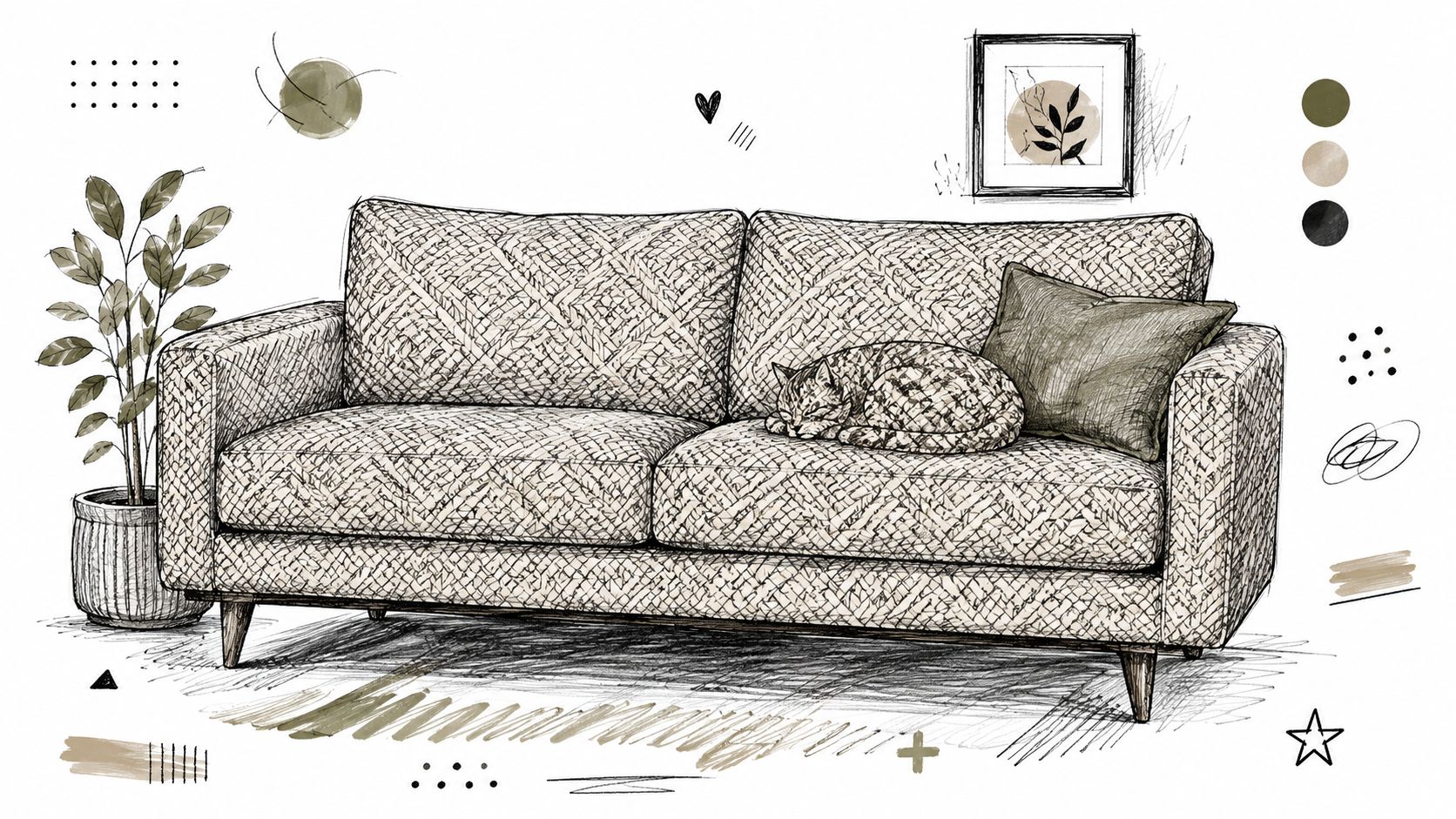
For pet owners, the technical side of the decision still matters here. Tight, flat weaves generally resist claw snagging better than loose or looped textures because claws can't easily catch individual yarns, while performance fabrics with clear abrasion-test claims are preferred for high-use homes. That construction advantage also helps the sofa look neater.
Color can do a lot of visual work too. Medium tones, heathered fabrics, and subtle patterns tend to soften the look of stray hairs and minor marks. Very dark solids and very light solids often create the harshest contrast.
A few forgiving style choices include:
- Heathered or flecked upholstery: Helps blur both light and dark fur.
- Soft patterns: Distract the eye from one small spot or flattened nap.
- Warm neutrals: Often age more gracefully than stark white or cool pale gray.
Pay attention to shape and cleaning access
The sofa's outline changes how maintenance feels. A tight-back sofa usually keeps a tidier profile than a pillow-back style, especially if pets like to lean, climb, or sleep against the back cushions. Fewer loose pieces also means fewer gaps where fur and toys disappear.
Legs matter too. Sofas raised on wood or metal legs make it easier to vacuum underneath, which is a major advantage in homes with shedding pets. A skirted base can look elegant, but it also hides dust and hair buildup.
Some households also benefit from removable covers on seat or back cushions. That feature doesn't change the silhouette much, but it can change the ownership experience a great deal.
A forgiving sofa style doesn't advertise every day of use. It absorbs the rhythm of the household and still looks composed by evening.
Shoppers trying to balance form with function often benefit from reviewing these key things to look for in a new sofa or chair before settling on a silhouette.
Extra protection for heavier-use homes
Large breeds, multiple dogs, and active jumpers can put unusual wear on seat fronts and arm panels. In those cases, thoughtful add-ons can help preserve the sofa's appearance without changing the room's style. Households researching practical options for protecting sofas from large dogs may find that targeted protection works better than covering the entire piece all the time.
The most successful rooms don't look defensive. They look considered. A well-chosen sofa style hides the evidence of real life instead of fighting it.
Cleaning and Maintenance for Your Pet Friendly Sofa
A strong sofa still needs a routine. The good news is that the best care habits are simple and repeatable. Most of the work comes from staying ahead of buildup instead of waiting for the sofa to look tired.
Weekly vacuuming with an upholstery attachment does more than remove hair. It also lifts dander, grit, and dust from seams and cushion edges before those particles grind into the fabric surface. In homes with frequent shedding, this one habit makes the room feel cleaner and helps upholstery keep its finish longer.
A simple care routine that works
Pet owners don't need a cabinet full of specialty products. They need a small, fabric-appropriate routine.
- Vacuum weekly: Focus on seat seams, welts, corners, and under cushions if they're removable.
- Blot spills quickly: Press with a clean cloth. Don't scrub, because rubbing can spread the mess deeper.
- Brush off dried dirt first: Mud is easier to remove once it dries. Vacuum or brush it away before spot cleaning.
- Rotate cushions when possible: This spreads wear more evenly in homes where pets favor one seat.
Match the cleaning method to the upholstery
Leather usually needs quick wipe-downs and occasional conditioning based on manufacturer guidance. Performance fabrics often respond well to mild soap and water for isolated spots. Microfiber typically benefits from gentle, controlled cleaning instead of soaking the area.
A helpful rule is to test any cleaner in a hidden spot first. Even durable upholstery performs better when treated patiently.
For homeowners comparing fabric-specific upkeep, this article on performance fabrics for upholstery can make daily care easier to match with the material already in the home.
Maintenance mindset: The goal isn't perfection. The goal is keeping small messes from becoming settled wear.
Don't forget life beyond the living room
Pet hair rarely stays in one place. Families who are already building better cleanup habits at home often also want ideas for keeping your vehicle fur-free, especially after trips to the park, groomer, or beach.
That same whole-home mindset helps furniture last. A sofa stays in better condition when hair, sand, and dirt aren't constantly cycling back onto it from blankets, pet beds, and car rides.
Professional cleaning can also help from time to time, especially for larger pieces in busy family rooms. It isn't something most homes need constantly, but it can refresh the upholstery and address residue that regular vacuuming won't lift.
Your Lott's Furniture Shopping Checklist
The best sofas for pet owners usually come from disciplined shopping, not lucky shopping. A beautiful silhouette matters, but it should only make the final cut after it clears the practical tests.
This is the checklist worth bringing into any search.
The non-negotiables
- Strong frame: The sofa should feel stable and well-supported, not flexible or hollow.
- Supportive cushions: Look for seat comfort that rebounds and keeps its shape.
- Tight, low-profile upholstery surface: Smooth, flatter construction is usually easier to live with than loose texture.
- Cleanable design: Removable covers, vacuum-friendly lines, and easy access around the base all help.
- Style that forgives wear: Medium tones, subtle pattern, and simpler backs often stay presentable longer.
Questions worth asking before buying
A sofa might look excellent in a staged room and still be wrong for a pet household. These questions sharpen the decision:
- Where will the pet sit most often?
- Will the owner realistically vacuum under and around it?
- Is the chosen color going to highlight every strand of fur?
- Does the silhouette have extra pillows or creases that will trap hair?
- Can one worn section be cleaned or refreshed without replacing the whole piece?
A smarter way to shop close to home
For homeowners in South Georgia and North Florida, confidence usually comes from seeing the options both online and in person. A digital catalog helps narrow the field by style, material, and room size. A showroom visit helps answer the questions that screens can't, such as how tightly a fabric is woven, how firm a seat feels, and whether a frame feels solid when weight shifts.
Customization also matters more than many shoppers expect. Through a Special Order Program, most vendors can customize details such as fabrics, finishes, and comfort levels so the final piece fits both the room and the household's pet habits. That's especially useful when a homeowner wants a custom-made sofa in a more durable cover rather than settling for whatever happens to be on the floor.
Helpful support makes that process easier. Online Style Quizzes can clarify preferences before the search begins, and the Mattress Guide is another example of how guided digital tools simplify comfort decisions. In-store associates can then help translate those preferences into practical choices across trusted names such as La-Z-Boy, Smith Brothers, Lexington, Stressless, and Hooker Furniture.
The delivery standard matters too. White-glove, in-home delivery protects the purchase from the last avoidable headache, and a rigorous multi-point inspection before the piece reaches the home helps ensure the sofa arrives ready for immediate enjoyment.
Homeowners across South Georgia and North Florida can explore pet-friendly styles, compare upholstery options, and move easily from online browsing to an in-person visit through Lott's Furniture. The digital catalog, Style Quizzes, and Mattress Guide make it easier to start from home, while the Fernandina Beach showroom offers the chance to touch, test, and compare pieces in person. For shoppers who want a more custom fit, the Special Order Program opens the door to customized fabrics, finishes, and comfort levels, and every purchase is supported by white-glove in-home delivery and a multi-point inspection before arrival.