Save 50% Off MRSP on Lexington | Shop the Catalog >

How to Start Decorating a Florida Home the Right Way


A Florida room can look finished in a weekend and still feel wrong by the next season. The cushions fade, the rug holds damp, the cabinet doors pick up a sticky film, and the whole space starts to fight the climate instead of working with it. Decorating a Florida home starts with a harder question than color, and that question is what will still look good after heat, humidity, sun, and salt air have had their say.
That's why our approach across South Georgia and North Florida starts with the room's job, the light it gets, and the way the home lives through the year. The style comes after the structure. When the foundation is right, the space feels custom, comfortable, and built for real life, not just for a photo.
What to Decide Before You Buy Anything
A bare Florida room tempts people to shop too early. The sofa looks inviting, the lamp seems right, and the rug fills the floor in the mind before it ever reaches the house. That's exactly how rooms end up pretty for a while, then awkward, washed out, or overcrowded once the climate starts working on them.
The first decision is how the room works across the whole day. A family room that catches morning light needs different seating and window treatments than a west-facing den that turns sharp in the afternoon. The second is where direct sun and glare hit hardest, because that's where fabrics, finishes, and art will age first. The third is whether the space belongs to a full-time household or a vacation property that sits empty, since unused rooms need even tougher materials and a layout that won't feel stale after stretches away from home.
Practical rule: shop the room's behavior before you shop the room's look.
A strong pre-design checklist is simple:
- Map the light: note where the sun lands at breakfast, midday, and late afternoon.
- Name the use: lounging, dining, working, guests, or a mix.
- Mark the stress points: sliders, vents, entry paths, wet shoes, pets, and pool traffic.
- Decide the mood: cool and airy, warm and grounded, or traditional and refined.
Our showroom conversations in Fernandina Beach usually start there, because those answers shape scale, fabric, and finish long before style talk does. For a deeper buying sequence, Lott's own guide to shopping for furniture smartly is a useful place to start.
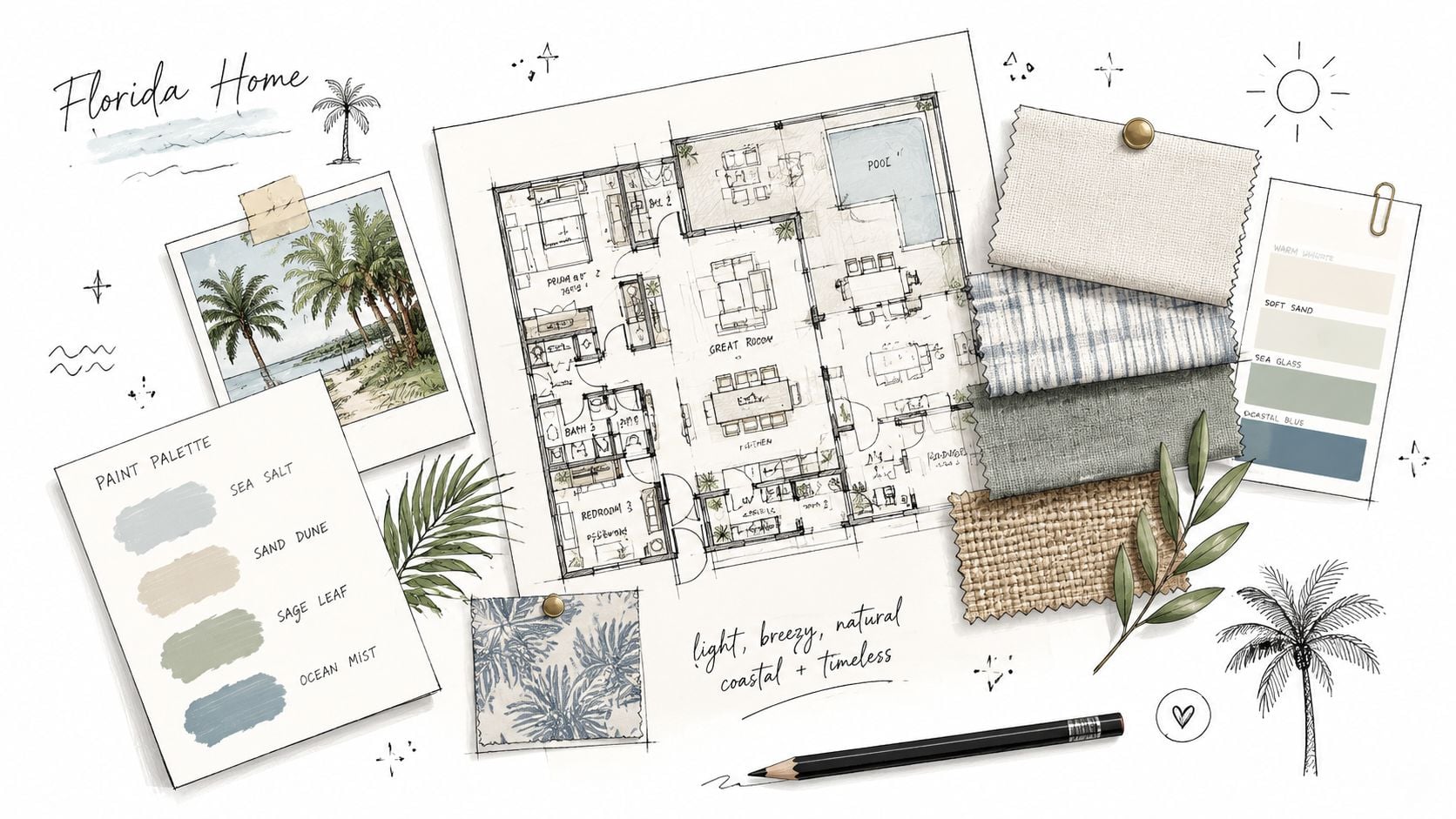
A good room plan also separates what should be chosen at home from what's easier to refine in store. The homeowner can identify the sun exposure, the daily use, and the pieces that need to work with the architecture. Our associates help narrow the comfort level, finish family, and scale so the room doesn't end up overfurnished or underbuilt.
Materials and Finishes That Actually Hold Up
Florida is not kind to weak materials. Sun fades pigment, humidity swells inferior wood, and salt air ages exposed metal faster than one might expect. That's why the material conversation has to come before the mood board, not after it.
Floors deserve the strictest attention. In ground-floor rooms, engineered hardwoods and luxury vinyl are usually the smarter move than solid softwoods because they handle moisture swings with less drama. For porches and covered outdoor areas, powder-coated aluminum and sealed teak are better bets than untreated iron, which can corrode and show wear quickly in coastal air. If a room sits near sliders or a pool entrance, every surface should be chosen with cleaning and climate stress in mind, not just first-day appearance.
The best Florida finish is one that still looks composed after repeated cleaning and constant light exposure.
Upholstery needs the same discipline. Performance fabrics are the right conversation for kids, pets, damp swimsuits, and sandy traffic, especially on seating that gets daily use. Many vendors support personalized designs, so fabric, leather, comfort level, arm style, and leg finish can be adjusted through the Special Order Program instead of forcing a homeowner to settle for floor samples alone. On the case goods side, lighter sealed finishes tend to behave better than glossy, reflective surfaces placed near sliders, where glare and heat make flaws easier to see.
A few choices are usually safer in Florida:
- Frames: kiln-dried hardwood, engineered construction, or moisture-aware materials for stability.
- Upholstery: performance fabrics that clean easily and keep their hand after repeated use.
- Hardware: corrosion-resistant details for humidity and salt exposure.
- Topcoats: low-sheen or sealed finishes that don't flash under strong light.
One resource that fits this conversation is manage home humidity levels, because humidity control and material choice work together. If the air stays damp, even good furniture has a harder job.
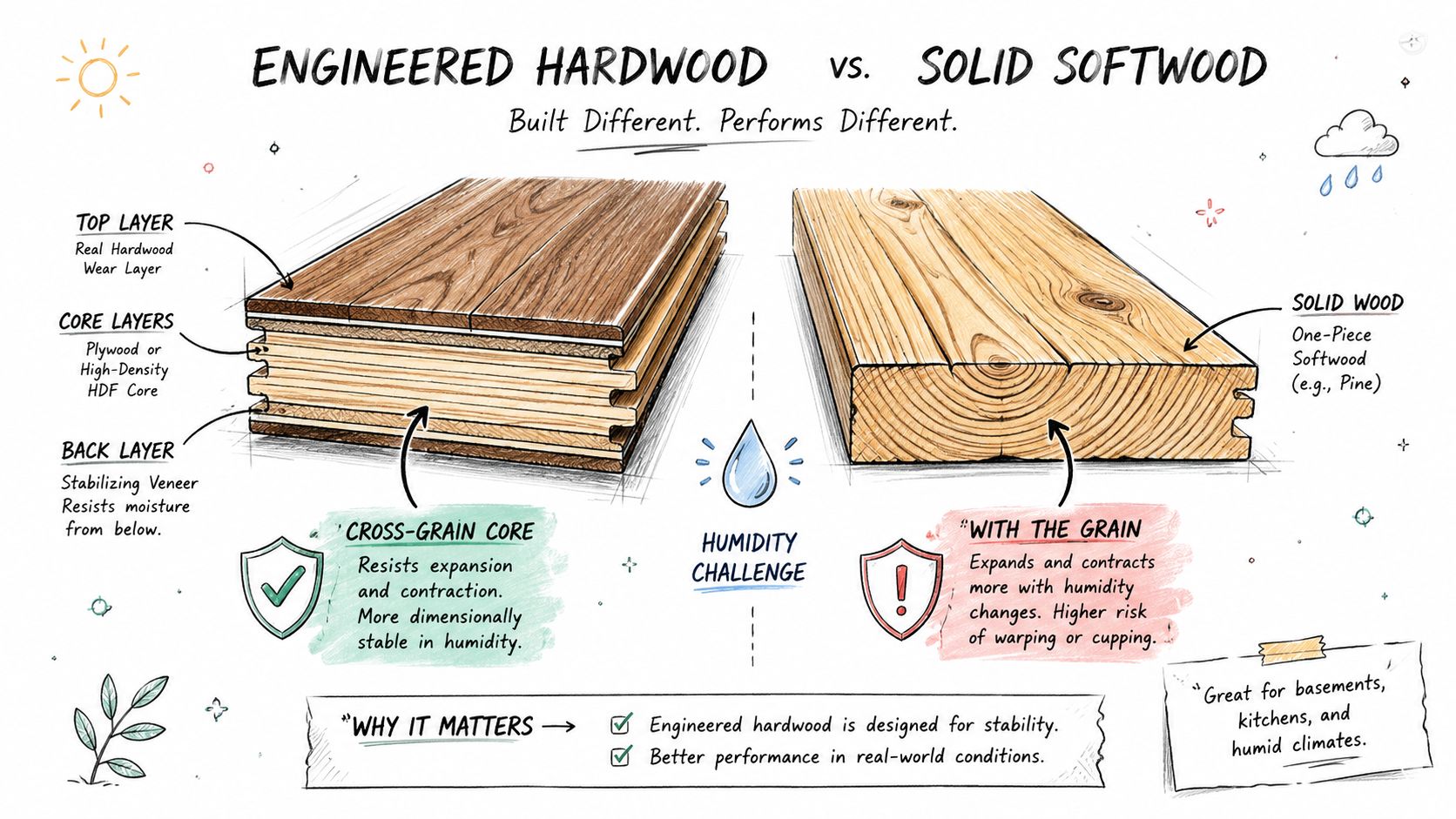
For case goods and wood furniture, kiln-dried construction is worth prioritizing in moisture-prone rooms, which is why a closer look at kiln-dried hardwood makes sense before ordering. The point isn't to make the house look indestructible. The point is to build in durability so the room keeps its polish.
Color Palettes That Work With the Light
Florida light is bright enough to change a room's personality by afternoon. A color that feels warm and inviting at 9 a.m. can turn thin or chalky once the sun shifts, which is why palette testing matters more here than in softer climates. The right color family should hold its shape in strong light, not disappear into it.
Comparing Florida-Friendly Color Palettes
| Palette | Best For | Aging in Direct Sun | Pairs Well With |
|---|---|---|---|
| Coastal soft | Coastal homes, airy living rooms, vacation spaces | Holds best when the whites are warm and the blues stay muted | Sea glass tones, driftwood finishes, light performance fabrics |
| Inland warm | Brick, stucco, and family homes that need warmth | Ages gracefully when clay and beige stay earthy rather than orange | Sandy neutrals, terracotta accents, textured rugs |
| Traditional cream and blue | Formal living rooms, dining rooms, classic homes | Stays elegant when brass stays brushed and blue stays muted | Cream upholstery, brass lighting, tailored case goods |
Warm whites, sea glass, and driftwood create an easy coastal softness without leaning too hard into a theme. Sandy beige, clay, and muted terracotta feel more grounded inland, especially in homes that need warmth without heaviness. Cream, muted blue, and brass give a more traditional room a composed look that still feels open under strong Florida light.
Short test, big payoff: put swatches on the wall and check them morning, afternoon, and evening before committing.
The best accent colors are used sparingly. Coral and aqua can sharpen a palette, but they work best as punctuation, not the whole sentence. That keeps the room current instead of costume-like.
For homeowners who want a starting point, Lott's farmhouse color schemes page can help narrow the mood without locking the home into one narrow look. The key is choosing a base that reflects light cleanly, then layering texture so the room still feels soft.
Furniture and Fabric Choices for Real Life
The furniture order matters as much as the furniture itself. A room should start with scale, then comfort, then texture. Too many Florida rooms go wrong because the pieces are attractive individually but don't solve the practical problems of glare, wear, or heat.
Start with the anchors
A larger sectional can earn its space when the room needs to gather people, define a conversation zone, and keep traffic lanes clear. A smaller sofa set makes more sense when the room is tighter or when the layout needs breathing room around vents and doors. Stressless recliners are especially useful where the goal is comfort without a bulky recliner-and-ottoman footprint. Lexington and Hooker Furniture pieces work well when the room needs a custom-fit, heirloom-quality anchor in the dining room or home office.
Matching wood tones matters less than matching undertones. If the undertone stays consistent, the room will read cohesive even when finishes vary slightly from one piece to the next. That gives the homeowner more flexibility without making the home feel pieced together.
Choose fabrics for the way the room lives
Performance fabrics belong in Florida. They make sense for family rooms, media spaces, breakfast nooks, and any seat that gets regular traffic from wet clothes, sunscreen, or pets. Our stain-resistant upholstery fabric resource fits that conversation well because the goal is easy care without sacrificing style.
The details worth asking for are clear:
- Easy-clean fibers: for quick wipe-downs and daily use.
- Tighter weaves: for seats that see heavy wear.
- Comfort tuning: firmer cushions for support, softer fills for lounging.
- Finish control: leg finish and arm profile adjustments through custom order options.
Lighting and rugs finish the layer stack. Lighting solves the dark corners that happen when window treatments are doing their job, and rugs soften acoustics while grounding the seating group. In Florida, the rug should support the layout, not trap the room in a heavy visual block.
Every piece also needs to travel well. That's where Lott's delivery standard matters, because each piece is inspected before it reaches the home and then placed in-room with white-glove, in-home delivery. If a seam, finish, or fit issue shows up, it's better handled before the homeowner starts living with the furniture.
Indoor-Outdoor Flow Without the Beach Cliché
Florida homes feel most complete when the inside and outside read as one plan. The lanai, porch, or pool deck shouldn't feel like a separate idea that got added later. It should feel like the next room, just with different air.
The cleanest way to do that is through sightlines. If the main seating area inside pulls the eye toward a focal point outside, the whole home feels more expansive. Repeating one material family, one finish tone, or one color note across the threshold helps that transition feel intentional. That does not mean matching everything. It means letting the two zones speak the same design language.
A practical example is to carry a light wood tone, woven texture, or muted neutral from the interior to the covered outdoor area, then let the lanai take a stronger contrast color so the inside stays cooler and calmer by comparison. That contrast works because it gives each zone a job. The interior becomes restful, and the outdoor space becomes more energized.
Keep vents, sliders, and ceiling fans open. Florida rooms need air movement as much as they need style.
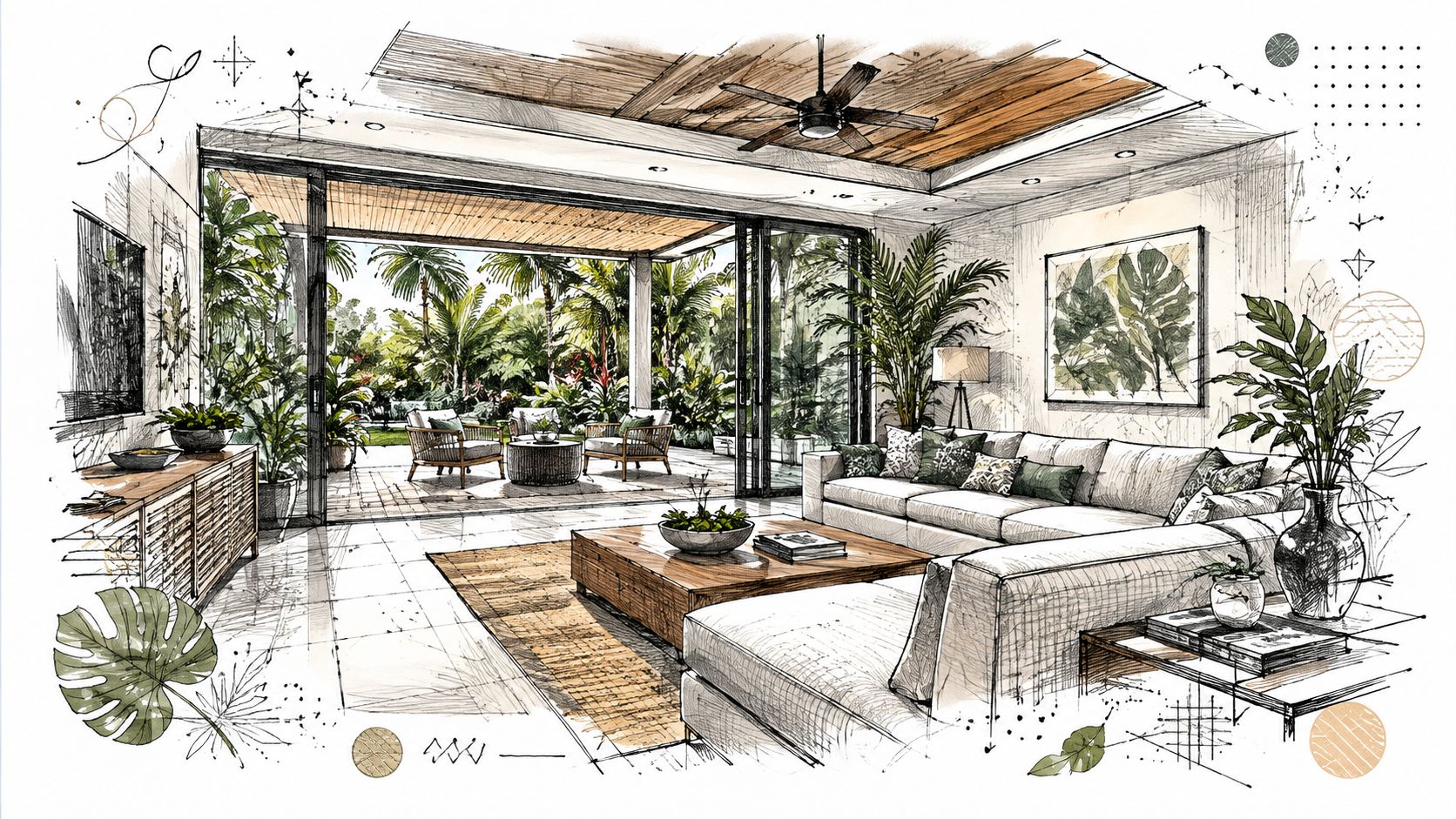
Furniture placement should protect airflow. Nothing should crowd a slider track, block a vent, or sit so close to a fan that it kills circulation. Leaving roughly a third of the room visually open is a smart target in humid homes because the space can breathe instead of feeling sealed up.
For homeowners who want outdoor transitions to feel polished, how to style your outdoor living space with the right furniture this summer is a practical reference point. The main idea is simple. Outdoor and indoor furniture should work as a coordinated system, not as competing sets.
Hurricane Season and Weather Resilience
Storm season changes the decorating conversation. Heavy rain, wind, and prep time all affect how a home should be furnished, especially in rooms near windows, doors, and the back of the house. Resilience doesn't mean turning the home into a bunker. It means choosing pieces that are easier to secure, protect, or move when weather starts moving in.
The best first move is to think about what stays put and what can be staged away. Heavy dining tables and desks can be a stabilizing choice, while smaller accent pieces are easier to shift to interior storage if needed. Raised legs on case goods help when floors need cleaning after damp weather, and removable cushion covers make fast recovery easier after a messy stretch.
A practical ranking of weather-smart choices looks like this:
- Removable covers and washable textiles, because cleanup is the fastest win.
- Corrosion-resistant hardware, because it reduces long-term wear.
- Raised furniture bases, because they keep pieces easier to maintain.
- Window treatments with strong light control, because they help manage glare and privacy before and after storms.
For roof and exterior concerns, a useful resource is Paletz Roofing's hurricane roof repair, especially when a home needs a larger weather-readiness check beyond the furniture plan.
The delivery team matters here too. White-glove, in-home placement makes it easier to stage the right pieces in the right rooms before storm season gets busy. That kind of preparation supports the calm, curated sanctuary feel homeowners still want, even when the forecast turns uncertain.
Budget, Shopping, and the Lott's Advantage
The smartest order is simple. Start with the biggest pieces that set scale and take the longest to settle, then add the supporting layers once the room's proportions are locked in. Sectionals, dining sets, and primary seating come first. Art, pillows, lamps, and rugs come later, after the layout proves itself in real traffic.
The Special Order Program is where a Florida home gets personalized. Most vendors support custom choices in fabric, leather, finish, and comfort, which means a homeowner can tune a room for durability and style instead of hunting for a close enough compromise. That matters in our South Georgia and North Florida service area, where homes range from coastal cottages to brick and stucco family houses.
A few tools make the decision process easier before the showroom visit:
- Style quizzes to narrow the overall look.
- The Mattress Guide to sort through comfort and support options.
- In-store associates to help compare scale, finishes, and fabrics in person.
- The digital catalog for a smooth start online before visiting the showrooms in Fernandina Beach, FL.
Lott's Furniture also offers a complete interior decorating service, along with room settings, floor, wall, and window coverings, and accessories, so the homeowner isn't left guessing how the pieces will live together. That becomes especially useful when the room has to work hard in Florida light and humidity.
Invest in the anchors, customize the details, and let the accessories finish the story. That sequence keeps the spending focused and the room cohesive.
Lott's Furniture helps homeowners in South Georgia and North Florida build Florida-ready rooms with custom order options, white-glove in-home delivery, and style guidance that takes the guesswork out of the process. Visit Lott's Furniture online to start with a style quiz, then stop by the Fernandina Beach showroom to see the materials, finishes, and room settings in person.