Furniture Delivery Checklist: 8 Steps for a Smooth Arrival


A furniture delivery checklist should protect three moments: preparing before arrival, inspecting and positioning during delivery, and preserving the investment afterward. Damage during moving and delivery is not rare, with 19% of adults reporting broken or missing items during a move, while only 20% of those affected filed a formal claim. FreightAmigo's 2026 furniture-damage analysis shows why careful documentation matters.
The furniture may be beautiful when it arrives, but a successful handoff depends on more than having someone home. A homeowner also needs the correct fabric, finish, dimensions, delivery path, room placement, working mechanisms, and signed records. That matters even more for a custom sectional, an heirloom-quality dining set, or a mattress selected for personalized comfort.
Lott's Furniture serves South Georgia and North Florida with white-glove, in-home delivery and a rigorous multi-point inspection before every piece reaches the customer. The same practical guidance begins before an order is placed. Lott's Special Order Program supports personalized fabrics, finishes, and comfort levels, while Style Quizzes, the Mattress Guide, and in-store associates help customers make confident design decisions. Shoppers can move smoothly between the digital catalog and showrooms in Waycross, GA, and Fernandina Beach, FL.
The following eight steps follow the delivery journey, from order confirmation and access planning through inspection, placement, functionality testing, documentation, and long-term care. For broader move-in preparation, homeowners can also review this move-in checklist from Gentle Giant.
1. Verify Your Order Details and Delivery Window
A smooth furniture handoff begins before the truck leaves. Compare the order confirmation with the piece selected, especially for a custom recliner, sofa, dining set, or other made-to-order item. Confirm the product identity, configuration, quantity, and finish while changes can still be addressed.
Special Order Program selections may include fabric or leather, wood finish, welt or trim, leg style, cushion comfort, and other personalized details. Ask the showroom to reconfirm every selection in writing before dispatch. Memory is an unreliable reference once delivery day arrives.
Confirm the details that affect the finished piece
Keep the order confirmation available and ask the Waycross or Fernandina Beach showroom to verify:
- Product identity: Confirm the brand, model, configuration, and quantity.
- Personalized selections: Recheck fabric, leather, finish, cushion firmness, and each selected Special Order Program option.
- Delivery timing: Confirm the scheduled date and the 2-4 hour delivery window Lott's provides.
- Room instructions: Specify whether the furniture should go to a room of choice or remain in a designated entry area.
- Access notes: Report narrow hallways, tight staircases, elevators, gates, parking restrictions, or difficult turns.
- Production updates: Ask whether a special-order piece has current status information.
A customer ordering a recliner in performance fabric should verify the exact comfort selection before delivery. A family furnishing a vacation home should confirm the dining set's route through the entryway, rather than discovering an access problem after the truck arrives. These checks connect the order record to the crew's work on delivery day.
Lott's white-glove service includes room-of-choice placement, assembly, packaging removal, and an inspection process. Review what white-glove delivery service includes before confirming the preferred handoff.

2. Prepare Your Home and Clear Delivery Pathways
Before delivery day, walk the furniture's entire route from the entrance to its destination. Measure doorways, hallways, staircases, turns, and the final positioning area. A sofa may fit along a living-room wall yet fail at a tight entry door or stair landing. Give extra attention to large sectionals, sleeper sofas, adjustable bases, tall bookcases, and long pieces such as a 10-foot sofa.
Start with the tightest point, then work outward. Record the narrowest hallway width, doorway opening, ceiling height at stair turns, banister locations, and landing space. Include trim, hinges, door swing, and the angle needed to rotate the furniture. If an elevator is part of the route, confirm its dimensions, reservation rules, and delivery restrictions.
The destination room should be ready before the crew arrives. Move existing furniture, décor, toys, rugs, and other floor clutter. Prepare suitable protection for hardwood, tile, or other vulnerable surfaces, and place pets in a separate room during the appointment.
A Waycross homeowner may need to move a decorative console before a large sectional enters. A Fernandina Beach resident with French doors may need to confirm the sofa's turning path. These preparations affect safety, placement, and delivery time. A custom sectional measuring guide can help map the complete route before ordering.
Share unusual access details with Lott's associates early. They can help assess scale before purchase, whether the plan involves a bedroom set, a coastal living room, or a multi-room vacation home. That conversation helps balance the desired size against doorway clearance, turning space, and room capacity. On delivery day, a cleared route lets the white-glove team work safely and gives the homeowner more control over placement.
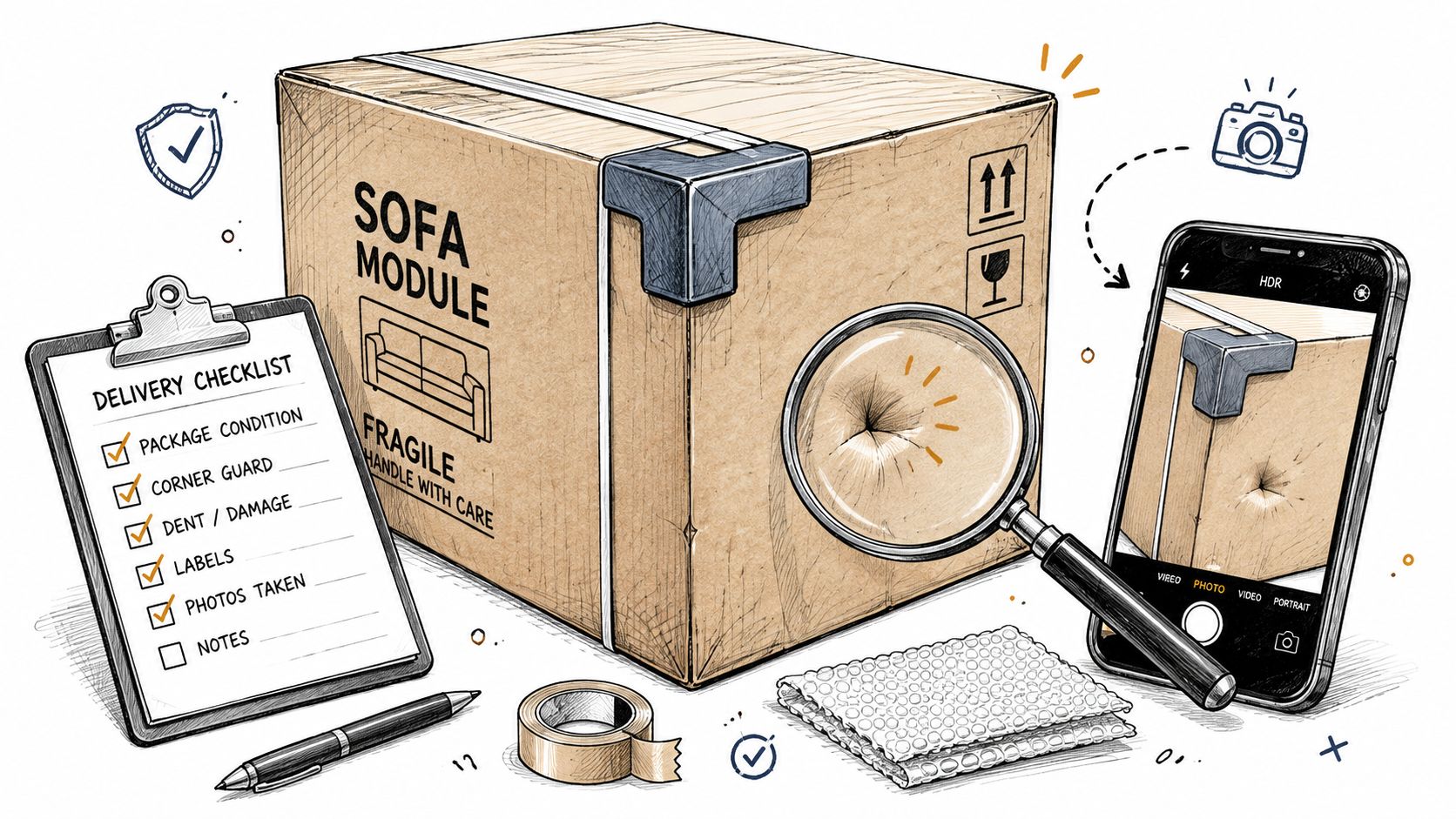
3. Inspect Packaging and Document Condition Upon Arrival
Stay present from unloading through unwrapping and entry into the home. Delivery day is the practical inspection window. Once the crew leaves, documenting a concern becomes harder and may leave questions about when the damage occurred.
Lott's multi-point inspection checks corners, edges, legs, seams, upholstery panels, surfaces, finishes, hardware, drawers, doors, and moving parts before dispatch. Repeat those checks at your door. Damaged or heavily compressed packaging deserves attention, but clean cartons do not confirm that the furniture inside is unharmed.
Use the delivery slip beside the original order while each item is opened. Confirm:
- Package count: Match every carton, component, and furniture piece to the order.
- Visible condition: Check for dents, scratches, stains, tears, chips, loose parts, and inconsistent finishes.
- Custom details: Compare special-order fabric, leather, colors, patterns, and finishes with the confirmation.
- Functional components: Operate recliners, adjustable bases, drawers, doors, and other mechanisms before the crew departs.
- Evidence: Photograph concerns in close-up, then take wider images showing their location.
- Paperwork: Describe each issue directly on the delivery documentation before signing.
A seam tear on a custom sectional or a chip on a cocktail table should appear in both the photos and the delivery record. For a bedroom set, count every ordered piece before accepting the handoff.
The Lott's white-glove delivery tips reinforce inspecting merchandise at delivery. Keep photos, receipts, order confirmations, and delivery notes until any issue is resolved in writing.
Practical rule: Record concerns while the delivery team is still present. Clear photos and specific notes create a stronger record than a later call based on memory. If an item needs review, ask the crew to pause before the handoff is complete, and confirm what the paperwork says before signing.
4. Confirm Proper Placement and Room Positioning
Once the furniture is inside, placement determines how comfortably the room works each day. A sectional may fit while narrowing a walkway. A recliner may look balanced yet lack room to extend. A console may match the wall width but interfere with a doorway or sightline.
Review the proposed position with the delivery team before they leave. Crews familiar with homes across South Georgia and North Florida can point out practical clearance or access concerns before a heavy piece needs to be moved again. Use that handoff to confirm the room's intended function, not only its appearance.
Walk the room before approving the final position
Stand in several locations, including entrances, seating areas, and nearby rooms. Check that:
- Traffic flow: Routes between entrances, seating, the kitchen, and adjacent rooms remain comfortable.
- Sightlines: Doorways, windows, televisions, fireplaces, and conversation areas have the intended views.
- Natural light: The position limits unwanted glare and fading while giving chairs or tables useful window access.
- Operating clearance: Drawers open, doors swing, recliners extend, and adjustable pieces move without striking walls or nearby furniture.
- Electrical access: Power recliners, lamps, adjustable bases, and other electrical pieces can reach an outlet without creating a cord hazard.
- Room balance: The furniture anchors the space without making it feel crowded.
Test the room as it will be used. A family might compare a recliner facing the television with one facing a window. Another homeowner may prefer a sectional angled toward conversation. In an entry, a console should provide visual balance while preserving a clear route through the home.
Use Lott's guide on how to measure furniture to confirm dimensions, clearances, and scale before delivery. Painter's tape can mark the proposed footprint, and a written layout gives the crew a clear starting point. Before accepting the placement, open every moving component once more and view the arrangement from the room's main approaches.

5. Remove Packaging Materials and Protective Wrapping Safely
The final reveal starts with careful removal, not hurried cleanup. During Lott's white-glove handoff, the crew should remove protective wrapping and packing materials included in the service, leaving the furniture ready for use.
Before anything is cut or pulled away, identify what each material protects. Plastic, foam, corner guards, films, tags, and other coverings help prevent transit damage, but a blade or forceful tug can mark fabric, leather, wood finishes, or hardware. Ask the crew to explain any piece that remains attached, especially coverings that could be mistaken for permanent components.
Use the handoff to record care requirements
Keep these questions nearby while the materials come off:
- Fabric treatment: Confirm whether a performance-fabric treatment or protective coating was applied, and ask what routine cleaning it allows.
- Leather care: Request the recommended method for cleaning and conditioning the leather surface.
- Wood protection: Ask how to protect finishes on pieces such as a dining table or casegood.
- Guard removal: Confirm how to remove corner guards, films, and leftover protective materials without scratching the surface.
- Care labels: Photograph labels, tags, manuals, and product instructions before discarding packing materials.
- Packaging removal: Verify which remaining materials the delivery team will remove under the service arrangement.
A family receiving a leather recliner should leave knowing how to clean its surface. A homeowner with a performance-fabric sectional may need to distinguish routine spot cleaning from professional deep cleaning. Someone accepting a dining table should confirm that its corner guards are temporary and safe to remove.
Do not let the crew rush this handoff. Careful removal protects the investment, while a final sweep keeps avoidable debris out of the room and confirms that no wrapping, foam, or fastener remains beneath or around the furniture.
6. Test Functionality and Movement Features
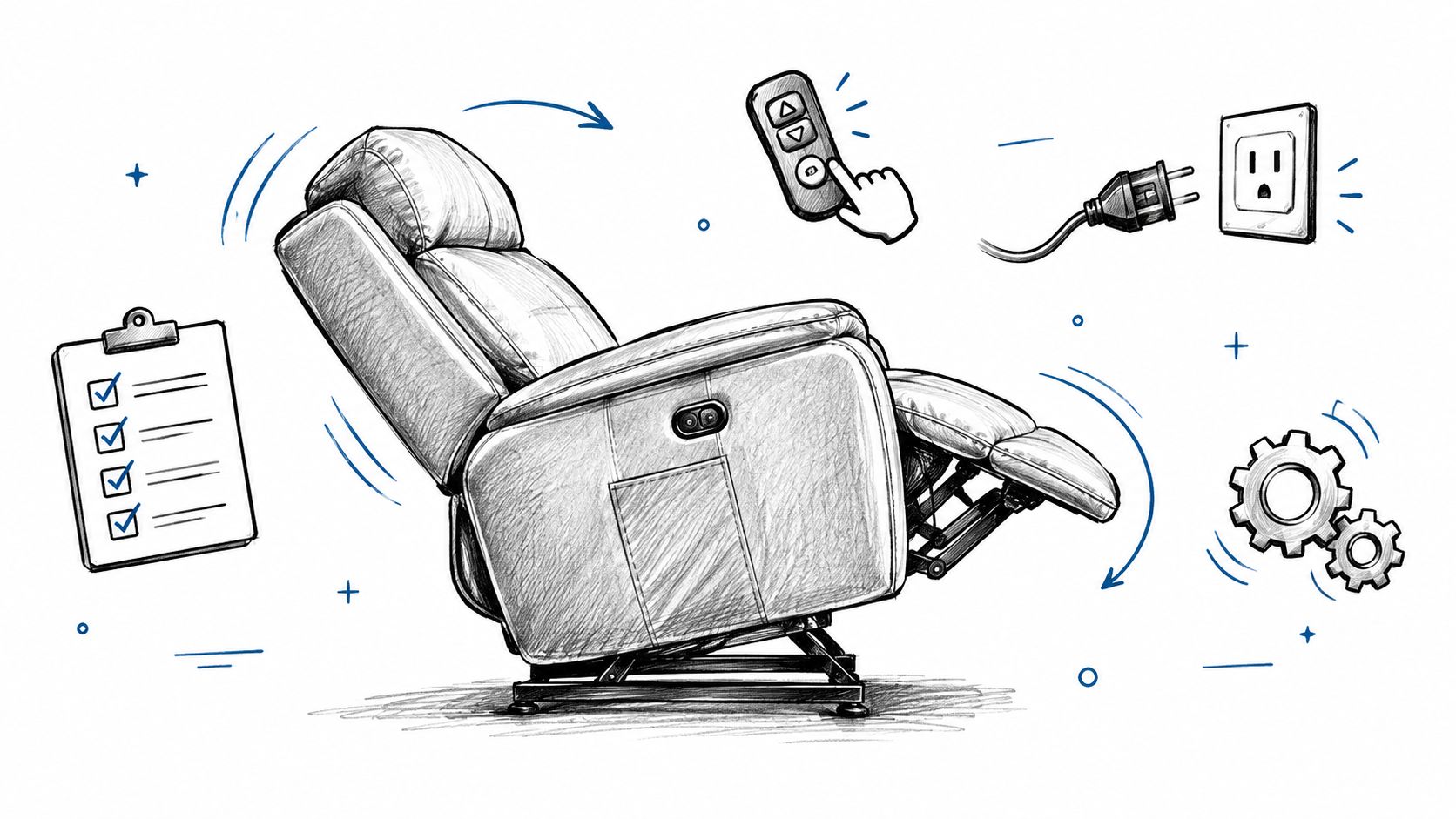
A delivery is not finished when the furniture looks right. Test every moving or powered feature before the crew leaves. A loose connection, stiff glide, misaligned drawer, or unresponsive control is easier to address while the delivery team is still present.
Begin with the functions that affect daily use. Open each drawer and door through its full range. Operate a recliner from closed to fully extended and back again. If the piece includes lift, electrical, or adjustable-base features, test the controls, remote, cords, and outlet connection under normal room conditions.
Use this short verbal check during the handoff:
- Movement: Confirm reclining, lifting, adjusting, and returning actions are smooth and consistent.
- Storage: Open drawers and doors completely, inspect alignment, and ensure they close without binding.
- Power: Check cords, plugs, outlets, remotes, and control response before regular use.
- Stability: Make sure legs, feet, frames, and adjustable components sit firmly on the floor.
- Identification: Photograph model labels, serial numbers, and instruction tags for future service.
- Demonstration: Ask the delivery crew to show complex features and explain basic troubleshooting.
- Coverage: Clarify how mechanical or electrical issues are handled under the applicable warranty.
A recliner should respond evenly through its full range, while a lift chair should raise and lower in a controlled manner. An adjustable base should react to each command without delayed or inconsistent movement. Test mattresses, bases, recliners, and other comfort features in the room where they will remain, since nearby walls, tables, or rugs can affect usable clearance.
Keep the remote and controls accessible after testing. Photograph the identification details before paperwork is completed, and record any concern while the crew can still inspect the piece. Lott's associates can demonstrate features before purchase, and the digital catalog helps customers review available options from home. That preparation makes the in-home test more focused, especially when comparing recliners, mattresses, adjustable bases, and custom comfort options.
7. Perform a Final Walkthrough and Sign Delivery Documentation
Before the crew leaves, walk through the completed delivery together. Check the destination room, nearby areas used during assembly, and any components delivered separately. Use normal room lighting and inspect surfaces from several angles.
Lott's delivery teams check frame stability, aligned corners, cushion surfaces, upholstery seams, stitching, fabric tension, leather, wood finishes, hardware, moving parts, and sectional alignment. Homeowners should review the same points and raise concerns while the crew can still examine the furniture.
Record the handoff clearly
Use the delivery paperwork to confirm:
- Complete order: Every piece and component matches the paperwork.
- Correct selections: Colors, fabrics, finishes, and configurations match the order.
- Correct placement: Furniture sits where requested and leaves operating clearance.
- Leveling and alignment: Feet, frames, drawers, doors, and sectional connections sit properly.
- Room condition: The delivery path and surrounding areas show no new damage.
- Documentation: Write each concern clearly on the paperwork before signing.
- Records: Keep a copy of the signed delivery document.
A family receiving a bedroom set should verify the quantity and position of every piece. If one side of a sofa sits higher because of uneven flooring, the team can assess the feet and leveling before completing the handoff. Customers receiving recliners should retain model and serial information with their warranty documents.
The signature confirms the delivery record. It should follow the inspection, not replace it. If a concern remains, ask the team to explain the notation, next step, and contact point before departure. Photograph the completed room and signed paperwork for your records, especially if a service review may be needed later.
This final pause gives both sides a clear record of what arrived, where it was placed, and what requires follow-up. A careful walkthrough also catches small alignment, finish, or room-condition issues before they become harder to document.
8. Review Care Instructions and Post-Delivery Support and Warranty
Delivery day closes one handoff. Ownership begins with the care routine you follow afterward. Keep the care cards, warranty documents, order number, and delivery date together in an accessible file. Photograph labels or instruction tags, and save service correspondence with the original records.
Care depends on the material. Performance fabric, fine leather, and finished wood require different cleaners, cloths, and treatments. Follow the product instructions before applying anything, and ask the showroom for brand-specific guidance when the care card leaves room for doubt. For finished wood, review Lott's wood furniture care guidance before establishing a regular routine.
A simple reminder schedule can prompt fabric inspection, leather care, hardware checks, drawer alignment checks, and professional cleaning when appropriate. Mattress care also starts with observing how the product performs in daily use. Use Lott's Mattress Guide with a showroom associate to confirm the comfort level you ordered matches your sleep position and intended use. Give particular attention to pressure points, edge support, and motion transfer during the first days of ownership, then report a concern while the details are clear.
Keep a clear service record
Contact the showroom promptly if a defect or performance problem appears. Include the order number and delivery date, clear photos for visible concerns, and a short video for mechanical problems. Describe when the issue occurs and whether it is changing. Note any products or treatments used, and retain manuals, packaging, and warranty records if an inspection or replacement may be needed.
A recliner with a slower lift mechanism, a separating sectional seam, or a hairline crack in a wood frame deserves documentation rather than guesswork. The service team can assess the concern, identify the applicable warranty terms, and explain whether repair, replacement, or another remedy applies.
Lott's white-glove process supports this final handoff by keeping care guidance and follow-up connected to the delivery record. Ask who will handle the next contact, what evidence is required, and how the concern will be reviewed. A complete file makes future service easier and helps protect the furniture's comfort, appearance, and function over time.
8-Point Furniture Delivery Checklist Comparison
| Item | Implementation complexity | Resource requirements | Expected outcomes | Ideal use cases | Key advantages |
|---|---|---|---|---|---|
| Verify Your Order Details and Delivery Window (Pre-Delivery) | Low–Moderate (call/email review) | Order confirmation, phone/email time | Confirmed specs and delivery window | Custom or special-order items | Prevents mismatches; early problem resolution |
| Prepare Your Home and Clear Delivery Pathways (Pre-Delivery) | Moderate (measuring, moving) | Measuring tape, helpers, floor protection | Unobstructed access and protected floors | Large pieces, narrow entries, multi-level homes | Reduces damage risk; speeds delivery |
| Inspect Packaging and Document Condition Upon Arrival (Delivery-Day) | Low–Moderate (visual checks, photos) | Camera/phone, delivery slip, time | Immediate damage detection and records | High-value or long-shipped items | Enables same-day claims; preserves warranty evidence |
| Confirm Proper Placement and Room Positioning (Delivery-Day) | Low (decision-making with crew) | Time, layout plan or marks | Optimal room layout on first try | New layouts, multifunctional rooms | Professional placement; avoids later heavy lifting |
| Remove Packaging Materials and Protective Wrapping Safely (Delivery-Day) | Low (unwrapping; disposal) | Waste disposal, time, protective gloves | Furniture ready for use and inspection | Immediate-use items, homes with children/pets | Reveals final condition; removes hazards |
| Test Functionality and Movement Features (Delivery-Day) | Moderate (mechanical/electrical checks) | Power outlet access, basic tools, time | Verified operation of all mechanisms | Recliners, power furniture, adjustable pieces | Detects defects early; ensures user familiarity |
| Perform a Final Walkthrough and Sign Delivery Documentation (Delivery-Day) | Low–Moderate (inspection + paperwork) | Delivery paperwork, order copy, time | Formal acceptance and documented record | All deliveries, especially custom/high-value | Final chance to report issues; starts warranty |
| Review Care Instructions and Post-Delivery Support & Warranty (Post-Delivery) | Low–Ongoing (reading, routine maintenance) | Care guides, possible professional services, record-keeping | Extended lifespan and access to repairs | Leather/wood pieces, long-term owners | Preserves investment; clarifies warranty coverage |
Turn Delivery Day Into the Start of Comfort
A careful furniture delivery checklist protects both the home and the investment. The strongest process confirms the order before arrival, measures the complete access route, clears floors and pathways, inspects every item before signing, verifies placement, tests every function, and preserves care and warranty records afterward.
That discipline matters because damage can be underreported when homeowners don't file formal claims. Industry analysis of 484 movers in the United States and Canada found an average claims rate of 2.5% of jobs, down from 3% the prior year, while the separate consumer survey cited earlier found that only 20% of people who experienced broken or missing items filed a formal claim. FreightAmigo's report presents those measurements together, and they point to a practical conclusion. A signed record, clear photos, part count, and condition review give both the homeowner and retailer a stronger way to resolve concerns.
The need for that care has grown as furniture buying has moved from informal drop-off toward documented, damage-conscious fulfillment. Consumer Reports survey findings summarized by First Chair found that 6% of in-store furniture buyers and 10% of online furniture buyers received an item that was damaged or missing parts. Bulky goods need more than a delivery appointment. They need a controlled handoff.
Lott's Furniture serves South Georgia and North Florida with white-glove, in-home delivery, room-of-choice placement, assembly, packaging removal, and a rigorous multi-point inspection before each piece reaches the customer. That standard supports a broad collection, from La-Z-Boy and Bassett seating to Stressless recliners, Lexington dining, Smith Brothers upholstery, Wesley Hall, Rowe, Theodore Alexander, and Hooker Furniture.
The buying experience is designed to be just as practical. Customers can browse the digital catalog, take a Style Quiz, use the Mattress Guide, chat with an associate online, or visit the Waycross or Fernandina Beach, FL showroom to touch, test, and compare pieces. The Special Order Program also gives homeowners a path to personalized fabrics, finishes, and comfort levels, so the delivered furniture reflects the intended room rather than a generic solution.
A delivery checklist turns that intention into a dependable arrival. Customers who confirm details early, prepare access, inspect carefully, test every function, and save their records give heirloom-quality furniture the best start possible.
Lott's Furniture offers personalized furniture through its Special Order Program, expert help from showroom associates and digital style tools, and white-glove in-home delivery across South Georgia and North Florida. Visit Lott's Furniture for an online style consultation or stop by the Waycross or Fernandina Beach, FL showroom to plan a confident, well-documented furniture arrival.