
Performance Fabric Dining Chairs: Stain-Resistant & Stylish

A dining room often looks its most beautiful right before real life happens. Plates land a little off center. Someone reaches across the table with salad dressing. A child grips a juice cup too loosely. A guest turns mid-story and red wine tips toward a pale upholstered chair.
That small moment explains why so many homeowners start looking at performance fabric dining chairs. They want softness, texture, and a polished style, but they also want to sit down for dinner without feeling tense every time a glass wobbles. The appeal isn't only stain resistance. It's peace of mind.
For households across South Georgia and North Florida, that peace of mind matters even more in rooms that get used every day, not just on holidays. Dining chairs see breakfast crumbs, coffee drips, denim transfer, sunlight, and constant scooting in and out. A chair can look refined in a showroom and still fail quickly in a busy home if the upholstery and construction aren't chosen with daily use in mind.
Creating a Worry-Free Dining Room
A formal dining room used to come with an unspoken rule. Look, don't live in it too hard. That approach doesn't fit most homes anymore. People want rooms that feel welcoming on a weeknight and polished enough for guests on Saturday.

Performance upholstery changed that conversation. These chairs are designed for the exact environment that causes ordinary fabrics trouble. Dining seats are high-contact surfaces. They meet food, drinks, body oils, sunlight, and repeated friction every single day.
Why dining chairs need a different kind of fabric
A sofa in a formal sitting room may go hours untouched. A dining chair rarely gets that luxury. It's pulled, bumped, sat on, wiped down, and exposed to all the small messes that come with ordinary living.
That's why buyers often gravitate toward fabrics made for real use instead of delicate showpieces. A family with children may care most about spill resistance. A couple who entertains often may want a lighter fabric color without the usual anxiety. A coastal homeowner may want upholstery that won't feel fragile in bright rooms and humid conditions.
A dining room feels more relaxed when the chairs don't demand constant caution.
For readers sorting through practical options for active households, this guide to kid-friendly and pet-friendly furniture choices can help narrow down what matters most before fabric swatches even come out.
Style and practicality can live in the same chair
Performance fabric no longer reads like a compromise. It now sits comfortably in rooms that feel layered, collected, and intentional. This marks a significant shift. Homeowners no longer have to choose between a curated sanctuary and a usable one.
A good dining chair should support the way a household lives. It should let hosts focus on conversation instead of hovering over every seat with a napkin in hand. That's the standard worth aiming for.
Understanding Performance Fabric Technology
The phrase performance fabric gets used loosely, and that is where confusion starts. Some fabrics earn that label because the fibers themselves are designed to resist spills and wear. Others rely more on a finish applied to the surface. Both can be useful, but they do not behave the same way over years of dining room use.
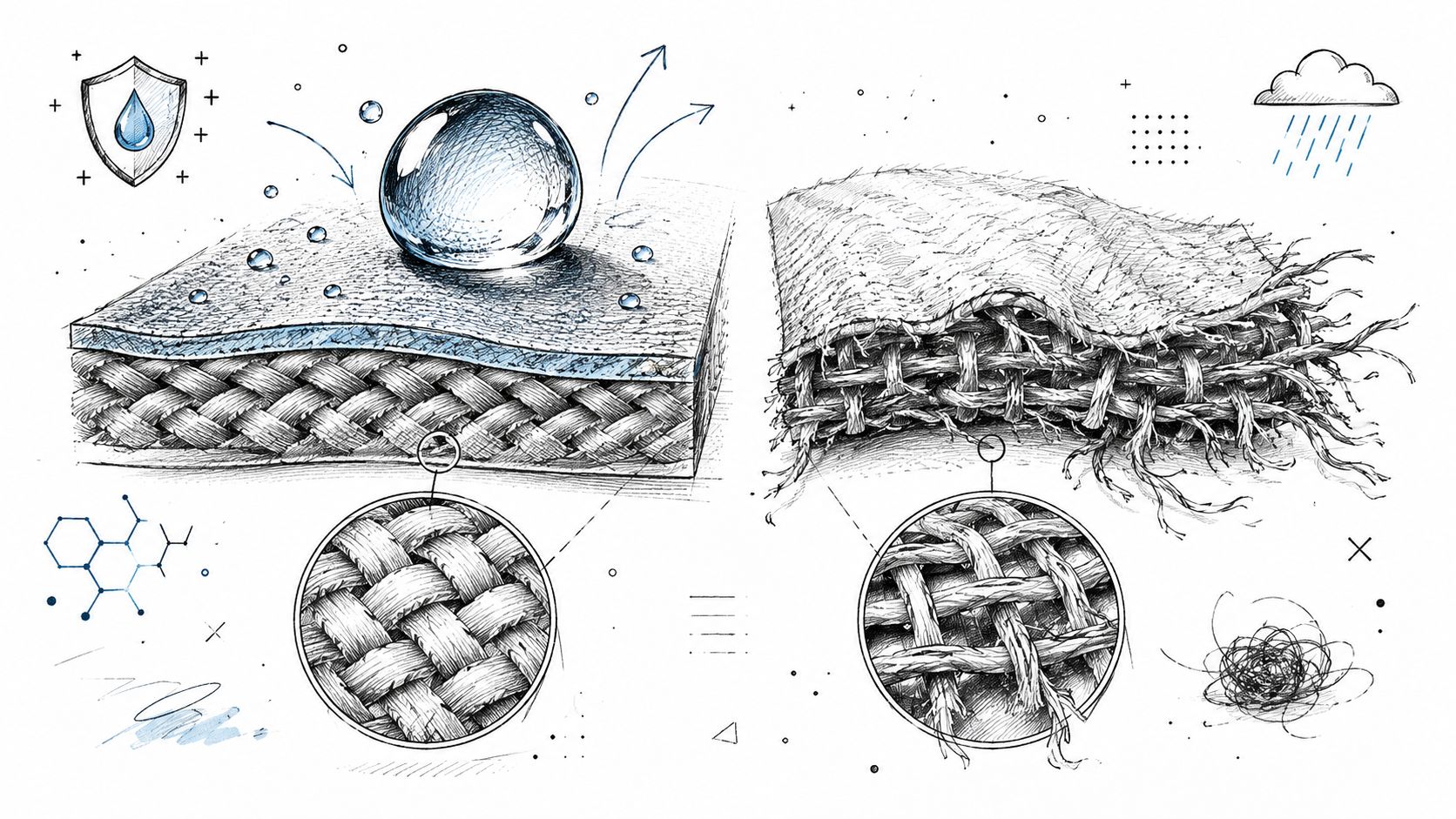
Performance upholstery is engineered for harder daily use, much like athletic wear handles sweat and friction better than a plain cotton shirt. The important detail is where that protection lives. If resistance is built into the fiber, the fabric often keeps its protective qualities longer. If it comes mainly from a topical treatment, the chair may still perform well, but heavy cleaning and years of abrasion can gradually reduce that benefit.
That distinction matters in a dining room. A splash of red wine, olive oil, or coffee does not give you much time to debate fabric chemistry.
What performance fabric is built to do
Industry experts generally describe performance fabrics as upholstery made to better resist common trouble spots such as stains, moisture, fading, and wear from repeated rubbing. In plain terms, that means the fabric is trying to buy you time. Time to blot a spill before it settles in. Time to enjoy a light fabric color without feeling nervous every time someone reaches for the salad dressing.
Here is what those protections usually mean in real homes:
- Stain resistance helps slow down absorption, especially with everyday food and drink spills.
- Moisture resistance often causes liquid to bead or sit briefly on the surface instead of soaking in at once.
- Fade resistance helps in sunny breakfast nooks and dining rooms with strong window exposure.
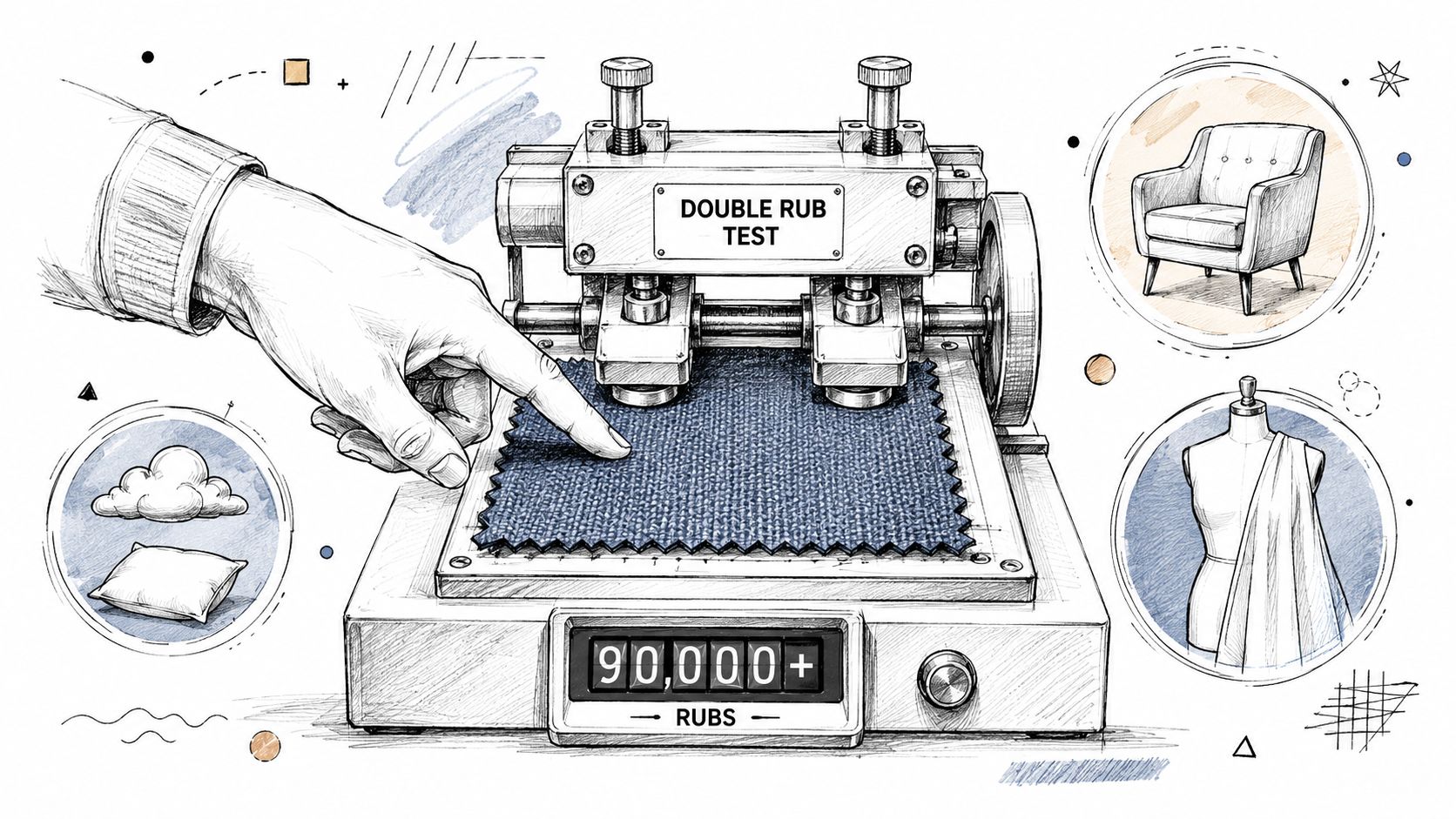
- Abrasion resistance helps the fabric tolerate repeated sitting, scooting, and contact with denim, buttons, and seams.
The key word is resist, not prevent.
That is the part marketing often rushes past. Easy-clean does not mean care-free forever. A performance fabric can still stain if a spill sits too long, if the substance is oily, or if someone scrubs it the wrong way and pushes the mess deeper into the weave. Tomato sauce, ink, grease, and dark beverages tend to test any fabric more than a quick splash of water.
Protection works in layers
A good way to understand performance fabric is to picture a raincoat versus a bath towel. One is made to slow moisture down. The other absorbs it. Upholstery works in a similar way, but with more variation from fabric to fabric.
Some performance textiles have a tighter weave, which leaves less room for spills to sink in quickly. Some use synthetic fibers that naturally resist moisture better than many natural fibers. Some combine both approaches. That is why two chairs can both wear the performance label and still clean up very differently after the same accident.
For readers who want a clearer explanation of how these materials differ, this guide to performance fabrics for upholstery gives helpful background before you start comparing swatches.
Upholstery protection is only part of the story
Comfort and long-term support still depend on what sits beneath the fabric. A dining chair can have a hardworking textile on the outside and still disappoint if the seat padding compresses too quickly or the construction feels thin after regular use.
That is one reason local showroom guidance matters. When customers sit in several chairs side by side, the differences become obvious fast. One seat feels supportive through a long meal. Another looks similar on paper but gives out early. Custom ordering also helps here, because the right fabric choice should match the room, the household, and the way the chair will be used, not just the name on a tag.
Practical rule: A chair that cleans up well but feels uncomfortable after an hour has only solved half the problem.
Why this technology fits dining rooms
Dining chairs deal with repeated friction, quick spot cleaning, shifting light, and frequent contact with food and drink. Performance fabrics were developed for exactly that kind of use. They give households a wider margin for error, which is valuable.
They do not remove the need for prompt cleanup, sensible care, or honest expectations.
That balance is what makes this category worth understanding before you order. The right performance fabric can make daily life easier. The wrong one, or the right one chosen for the wrong setting, can still leave a homeowner frustrated. That is why fabric selection is best treated as a practical decision, not a marketing promise.
Navigating Your Fabric and Frame Options
A chair can look right in the showroom and still be wrong for how a home functions. The trouble usually starts when shoppers hear “performance fabric” and assume every option will clean the same, feel the same, and age the same. They will not.
Some performance fabrics are closer to a raincoat. They resist quick spills and wipe down with less effort. Others behave more like a favorite sweater. They feel inviting and add texture, but crumbs, oils, and pet hair can be harder to remove from the surface. Neither choice is automatically better. The better choice is the one that matches how the chair will be used, who will use it, and how much maintenance the household will realistically keep up with.
The frame deserves the same attention. A fabric can handle a spill, but it cannot correct a chair that rocks, loosens at the joints, or feels flimsy after repeated use. Good dining chairs work as a system. The upholstery manages the surface. The seat construction and frame carry the strain of daily life.
Fabric and frame work together
One common pairing across the industry is performance upholstery over a solid wood frame. There is a practical reason for that. The fabric helps with day-to-day messes. The wood frame provides the stability that keeps the chair feeling dependable through years of meals, homework sessions, and guests pulling the chair in and out.
That pairing still leaves room for meaningful differences.
- The fabric surface affects how quickly you can blot, wipe, or brush away everyday messes.
- The weave and texture influence whether lint, crumbs, and pet hair sit on top or settle in.
- The seat and frame construction determine whether the chair stays comfortable and steady over time.
- The finish and silhouette shape how formal, casual, light, or grounded the chair feels in the room.
A simple example helps here. A tightly woven fabric in a medium tone often hides daily use better in a busy kitchen dining area. A soft, nubby texture in a light cream can be beautiful in a lower-traffic room, but it usually asks more of the owner. “Easy-clean” does not mean “care-free.”
Common Performance Fabric Characteristics
| Fabric Type | Primary Benefit | Best For |
|---|---|---|
| Polyester-based performance weave | Balances stain resistance and structural stability | Everyday family dining rooms |
| Tighter, smoother performance texture | Easier day-to-day wipe-downs | Homes with frequent meals at the table |
| Softer, more textured performance fabric | Adds warmth and visual depth | Formal-casual dining spaces where comfort and texture matter |
That chart is a sorting tool, not a winner board. A breakfast-area chair and a holiday dining-room chair can both be good choices while asking for different care habits.
Special order leads to better-fit choices
Custom ordering helps because small details matter more than many buyers expect. The right fabric color can soften the visibility of wear. The right wood finish can tie into an existing table instead of almost matching it. The right seat profile can make a chair pleasant through a full dinner instead of just the first fifteen minutes.
This is also where local showroom guidance earns its keep. Sitting in chairs, touching fabrics, and comparing textures side by side makes the tradeoffs clearer. A tag may say “performance,” but an experienced salesperson can explain whether that fabric is likely to release a spaghetti sauce spill easily, hold onto denim transfer, or show hand oils over time. For a helpful primer, this guide to upholstery materials and how they perform gives useful background before you narrow your options.
What shoppers often miss
Color gets attention first. Real satisfaction usually comes from choosing in a different order.
Start with structure. Then look at fabric behavior. Then comfort. Color comes after that.
That sequence saves people from a common mistake: falling for a pale, pretty fabric that suits the room on paper but fights the household every week. The best performance dining chair is not the one with the strongest marketing label. It is the one built well, covered in a fabric that fits real life, and ordered with clear expectations about what “easy-clean” can and cannot do.
How to Select the Perfect Performance Chair
Saturday dinner is over. One child is still in the chair coloring, someone else slid into the seat with damp jeans after soccer, and a guest dragged the chair a little too hard across the floor. That is the true test. A good buying decision starts by choosing for that room, that routine, and those habits.
Performance dining chairs sit in a premium part of the market, so the wrong choice gets expensive fast. Market examples show that many options are priced as long-term furniture purchases rather than casual replacements. That is why the selection process should start with use, then construction, then fabric behavior, and only then with the finishing details people notice first.
A better way to judge the options
Three questions usually sort the strong candidates from the pretty-but-problematic ones.
1. What kind of mess is most likely here?
A family with small children usually needs a fabric that releases food spills reasonably well and does not show every smudge by bedtime. Pet owners often do better with tighter weaves that do not grab hair or catch claws as easily. Homes used mostly for holidays and dinner parties can choose a more refined look, but even then, "performance" should not be treated as a promise that every stain disappears without a trace.
That last part matters. Easy-clean fabrics often resist liquid better than oil, ink, denim transfer, or hand oils. A chair can be an excellent choice and still need quick cleanup, the right cleaner, and realistic expectations.
2. Does the chair stay comfortable past the first five minutes?
A dining chair works like a pair of good shoes. It may look right across the room, but its full worth reveals itself after you have lived with it for a while. Seat depth, back pitch, cushion density, and the shape of the front rail all affect whether people want to linger through dessert or start shifting halfway through dinner.
This is one reason showroom testing matters so much. An experienced in-store team can often spot the mismatch a shopper cannot quite name yet. Maybe the seat feels fine, but the back hits too low. Maybe the fabric looks soft, but the cushion feels thin. Those details are easier to catch before a custom order is placed than after the chairs are in the home.
3. Will the chair age well with the table and the room?
A performance chair should solve practical problems, but it still has to belong in the space. The frame finish needs to relate to the table without looking like a near miss. The fabric texture should support the room's style, whether that means cleaner lines, a softer traditional look, or something more relaxed and coastal.
It also helps to think one layer beyond the chair itself. If the dining area sees regular entertaining, spills and scuffs often affect the table base and legs just as much as the upholstery. A guide to protecting wood furniture from scratches and stains can help you choose chair and table materials that make sense together.
What to verify before you order
Ask how the fabric should be cleaned. Ask whether the seat cushion is tight or loose. Ask what kind of wear the showroom team has seen on similar textures and colors. Ask how the chair is built at the joints and whether the finish tends to hide everyday contact marks.
Those questions sound simple, but they prevent common disappointments. Many shoppers hear "performance" and assume "carefree." A better definition is "more forgiving, within limits."
For households that are especially focused on hygiene during cold and flu season, upholstery choice is only one part of the picture. Daily habits, wipe-down routines, and table-surface care matter too. These strategies for combating surface germs are useful alongside fabric-specific cleaning guidance.
Lott's Furniture offers digital browsing, in-store guidance, and special order options, which gives shoppers a practical way to compare comfort, finishes, and fabric behavior before committing.
The strongest long-term choice is usually the chair that fits real life without asking the room to sacrifice its character. That balance is what turns a performance fabric dining chair from a marketing idea into a purchase that still feels smart years later.
Real-World Cleaning and Maintenance Tips
Dinner is over. Someone reaches for a glass, the chair catches an elbow, and red wine lands on a light seat. That is the moment when marketing language stops mattering and care instructions start to matter.

Performance fabric usually gives you more time and a better chance of cleanup. It does not promise that every spill disappears. Stain results depend on two things working together. What touched the fabric, and what the fabric is made from.
That is why “easy-clean” can mislead shoppers. Water-based spills often respond well if you act quickly. Oil-based messes are different. Grease can cling below the surface, and heavy scrubbing can spread the problem or leave a dull patch in the weave. In other words, some stains start as a spill and turn into a cleaning-method mistake.
The first rule that saves more chairs than any spray bottle
Blot first. Use pressure, not friction.
A clean white cloth is the safest tool to start with because it shows what is lifting and avoids transferring towel dye into the upholstery. Work from the outside edge toward the center, the same way you would keep paint from spreading on a wall. The goal is containment before removal.
Three dining-room stains that behave very differently
Red wine
Red wine needs speed and restraint. Blot right away, then follow the fabric's approved care method if a water-based cleaner is allowed. Keep moisture controlled. Soaking the area can create a ring that looks worse after the stain itself fades.
Greasy food
Butter, salad dressing, pizza oil, and similar foods are where many homeowners learn the limits of performance fabric. The chair may resist the first splash, but oily residue can stay behind and darken over time. If a stain has a greasy feel, pause before treating it like juice or coffee. The wrong cleaner can set the mark deeper.
Coffee
Coffee often seems simple because the liquid is dark and visible. The harder part is the residue left behind after the surface dries. Blot thoroughly, use only the approved amount of moisture, and stop if the fabric starts to look oversaturated.
The maintenance habits that make chairs last longer
Good chair care looks a lot like brushing sand off a favorite pair of shoes before it grinds in. Small, regular habits prevent bigger wear later.
- Vacuum lightly on a routine basis to pull crumbs and dust from seams, welts, and textured fabric.
- Treat spills as soon as you notice them because dried residue is usually harder to remove cleanly.
- Test any cleaner in a hidden spot first whenever the care code allows it.
- Use a gentle hand around wood trim or exposed legs so moisture and cleaner do not dull the finish.
- Call for fabric-specific guidance on stubborn stains instead of trying one household remedy after another.
If your dining chairs include exposed wood, this guide to protecting wood furniture from scratches and stains helps you care for the fabric and finish as one piece, not two separate problems.
Clean does not always mean sanitized
Dining chairs pick up more than visible spills. Hands, sleeves, crumbs, and shared touchpoints all collect on the seat and back over time, especially in busy homes with children or frequent guests. If you want a sensible routine for high-touch dining areas, these strategies for combating surface germs are a useful companion to fabric care.
The best long-term results come from a simple mindset. Treat performance fabric like a forgiving material, not an indestructible one. That is also where local showroom guidance and custom-order advice matter. A good furniture team can help you match color, texture, and cleanability to the way your family eats, hosts, and lives, which is often the difference between a chair that photographs well and a chair that still looks good years later.
Styling and The Lott's Delivery Standard
Performance chairs earn their keep through practicality, but they also carry a lot of visual weight in the room. They frame the table, influence the room's softness, and often determine whether the dining area feels formal, relaxed, coastal, or classic.
Styling performance fabric dining chairs with intention
A well-chosen chair can fit comfortably into several looks:
- Coastal Chic works well with lighter fabrics, soft wood tones, and an airy silhouette.
- Modern Farmhouse often benefits from textured upholstery and warmer finishes.
- Timeless Traditional leans into clean lines, supportive cushioning, and richer wood character.
For homeowners preparing a home for market, color decisions can affect how a room feels to prospective buyers. This expert guide for home sellers offers useful perspective on how color psychology shapes first impressions in interiors.
Shopping should feel connected, not fragmented
Many households across South Georgia and North Florida prefer to begin with research at home, narrow their options digitally, and then confirm scale, comfort, and finish in person. That's often the easiest path with dining chairs because texture and seat feel don't translate perfectly on a screen.
Helpful decision tools can include:
- Style Quizzes to clarify design direction before visiting a store
- A digital catalog to compare silhouettes and upholstery choices
- In-store associates who can explain construction, comfort, and custom options
- The Mattress Guide as another example of how guided buying tools can simplify comfort decisions across the home
Core brands in these conversations often include:
- Lexington
- Stressless
- Hooker Furniture
The delivery standard matters more than most people expect
A dining chair can leave the store in perfect condition and still disappoint if delivery is careless. White-glove, in-home delivery protects the investment at the point where many furniture purchases become stressful. Multi-point inspection matters for the same reason. It catches issues before the chair enters the home.
That final stage is part of the product experience, not an extra detail. A homeowner can learn more about in-home furniture delivery and assembly to understand what proper setup should include.
A carefully selected dining chair should arrive ready to use, correctly placed, and worthy of the room it was chosen for.
For homeowners ready to compare fabrics, explore Special Order options, and get hands-on guidance, Lott's Furniture offers a convenient path between online browsing and showroom support in Fernandina Beach, FL. A visit or online style consultation can help narrow the right performance fabric dining chairs for a home in South Georgia or North Florida, with custom choices, knowledgeable associates, and white-glove delivery that completes the experience properly.


