
Bonded vs Genuine Leather: A Furniture Buyer’s Guide

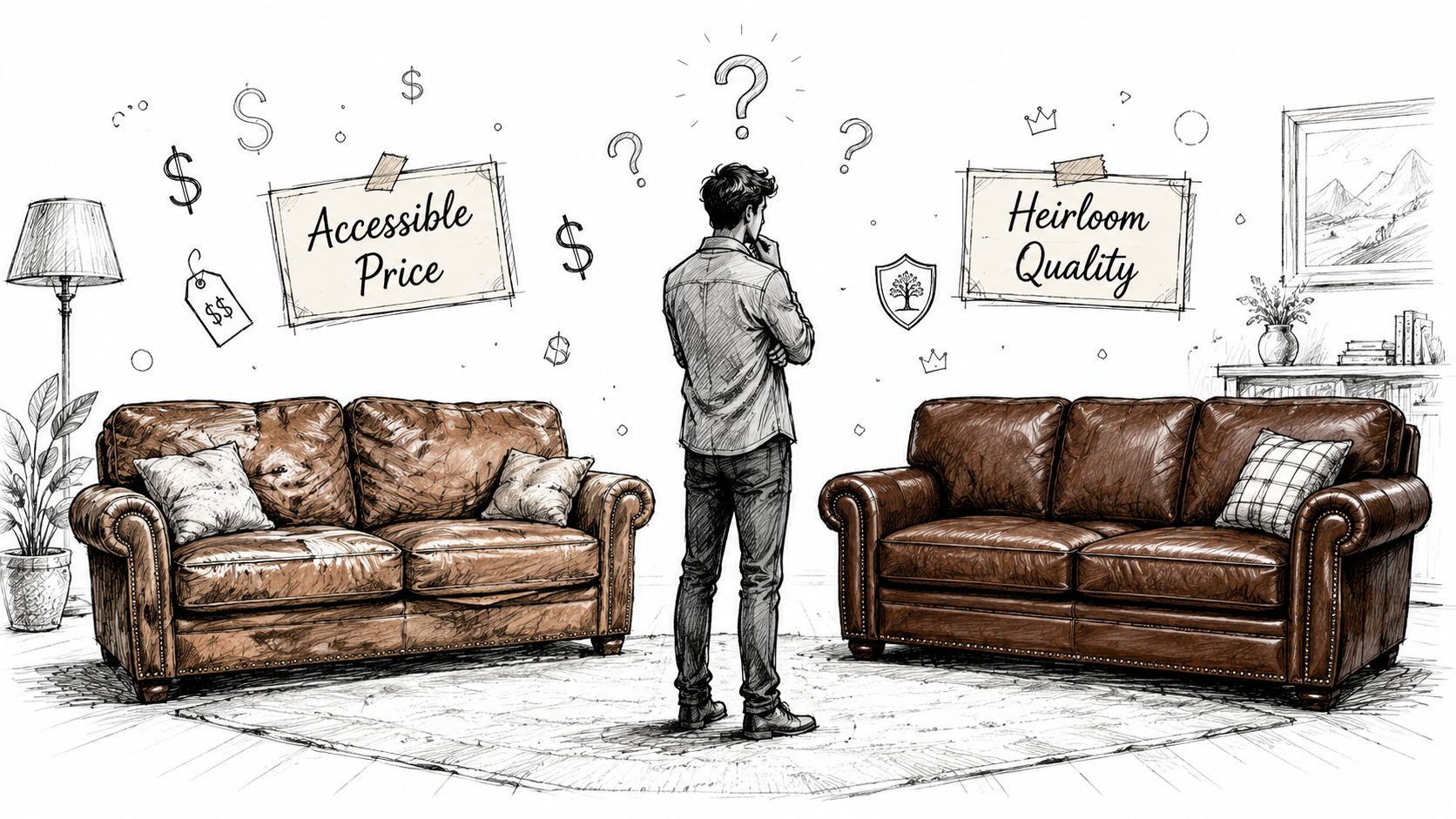
Two sofas can sit side by side and look nearly identical. One carries a more accessible price point. The other asks for a larger investment. For most homeowners, that gap raises the core question. Is the higher-priced piece better, or is the label doing the selling?
That's where bonded vs genuine leather gets messy. The words sound close enough to confuse anyone standing in a showroom, scrolling a product page, or trying to furnish a family room without making an expensive mistake. The labels don't always help. In some cases, they make the confusion worse.
The Leather Sofa Dilemma in Your Living Room
A homeowner walks into a showroom, runs a hand across two handsome leather sofas, and pauses. Both look polished. Both promise comfort. One feels like a practical pick for the room that needs seating right now. The other reads like an heirloom-quality purchase meant to stay put for years.
That's the moment where labels matter. A sofa isn't a throw pillow. It's the seat where movie nights happen, where guests land first, where kids climb, where pets stretch out, and where everyday wear shows up faster than people expect. Choosing the wrong upholstery can turn a beautiful room into a disappointment.
A strong starting point is knowing what questions to ask before falling for the silhouette, color, or sale tag. A practical guide on choosing the best sofa for your home and lifestyle helps narrow the bigger decision, but leather type deserves its own close look.
Why this choice matters more than most shoppers think
Bonded leather often wins the first impression because it can mimic the appearance of leather at a lower opening price. Genuine leather usually asks for more upfront, but it tends to deliver the ownership experience people assumed they were buying in the first place.
Practical rule: If the room gets real daily use, the material matters as much as the frame and cushions.
For families across South Georgia and North Florida, this isn't a small detail. A living room sofa has to handle humidity, guests, routines, and repeated use without looking tired too soon. The wrong material can look fine on day one and frustrating by year two.
The smartest way to approach bonded vs genuine leather
Forget the marketing language for a minute. Focus on construction, expected wear, and how long the piece needs to serve the home. That's how experienced furniture buyers separate a value-focused purchase from a false economy.
The rest of the decision gets easier once the labels are decoded.
Decoding the Labels What Is Bonded and Genuine Leather
A lot of costly furniture mistakes start with one label. Shoppers see “genuine leather,” assume top quality, and never ask what they are buying.
That is exactly why these labels deserve a plain-English translation.
What bonded leather actually is
Bonded leather is a manufactured material made from leftover leather fibers mixed with adhesives, then pressed onto a backing and finished with a synthetic surface layer. The Leather Working Group explains bonded leather as a reconstituted material that typically contains only a limited amount of leather fiber, often around 10% to 20%, with the rest made up of other materials in the sheet construction. See their glossary entry on bonded leather.
That construction matters in a real home. The surface may look neat and leather-like on the sales floor, but it does not flex, breathe, or wear like hide. On a sofa that gets regular use, bonded leather is far more likely to peel, crack, or flake once the top layer starts breaking down.
What genuine leather means in plain language
Genuine leather comes from real animal hide. It is not shredded scrap reassembled into a sheet. That does not mean every genuine leather sofa is equal, because hide quality, thickness, finish, and where the leather is used on the frame still matter. It does mean you are starting with actual leather, which puts it in a different class from bonded material.
Here is the plain answer shoppers need:
- Bonded leather is leather fiber mixed with binders and coatings.
- Genuine leather is real hide.
- The label alone is not enough. You need to ask how the material was made and where it is used on the furniture.
For anyone who wants a better feel for why real hide behaves differently in use and in craftsmanship, this article on how to craft handmade leather goods gives helpful background.
Why these labels confuse buyers
“Genuine” sounds like the best option in the room. It is not a top-grade term. It merely tells you the material is real leather, not how refined it is, how thick it is, or how it will age on a family sofa.
Bonded leather causes a different problem. It includes some leather content, so the name sounds reassuring. The performance usually is not.
That is why smart furniture buying starts with better questions. Ask whether the upholstery is whole-hide leather or a bonded composite. Ask whether every contact area is leather or only selected panels. Ask how the material is expected to wear after years of sitting, cleaning, sunlight, and daily friction. If you want a broader primer on fabric and leather performance before you decide, Lott's guide to common upholstery materials for home furniture is a useful place to start.
At Lott's, this is the part we clear up first. Labels sell furniture. Construction tells you whether it belongs in your home.
A Detailed Comparison for Your Home Furniture
A leather sofa can look convincing on a sales floor and disappoint fast at home. The difference usually shows up after months of sitting, cleaning, sunlight, and daily friction. That is why you need to judge these materials by how they live in a room, not by how polished the label sounds.
If you want a wider view of fabric and leather performance before choosing a sofa, recliner, or sectional, Lott's guide to common furniture upholstery materials and how they perform is a useful reference.
Bonded leather vs genuine leather at a glance
| Attribute | Bonded Leather | Genuine Leather |
|---|---|---|
| Construction | Made from leather scraps mixed with binders over a backing | Made from real hide |
| Leather content | Contains a limited amount of real leather | Real leather throughout the material itself |
| Expected lifespan | Usually a shorter-term upholstery choice | Usually a longer-term upholstery choice |
| Surface behavior | More prone to peeling, cracking, and flaking | More likely to soften and develop character |
| Look | More uniform and manufactured | Shows natural grain and variation |
| Ownership fit | Better for guest rooms, staging, or lighter use | Better for primary seating and everyday use |
What matters most in daily use
Bonded leather is a surface product. Once that surface starts wearing through, the weak spots become obvious. Seat cushions, arm tops, headrests, and front rails usually show the problem first because those are the places your family touches every day.
Genuine leather holds up better because it is hide, not a composite layer trying to imitate hide. It flexes differently, breathes better, and usually handles repeated use with less visible breakdown. A good leather sofa should look more settled over time, not more fragile.
One published comparison notes that bonded leather often contains only a small percentage of real leather and tends to have a much shorter lifespan than genuine leather, which is commonly associated with much longer service in furniture use, according to Forbes and Lewis's bonded vs. faux vs. leatherette comparison.
Feel and comfort
Bonded leather, which can feel acceptable in a quick showroom test because the finish is smooth and consistent, often misleads shoppers. After regular use, that consistency often starts to feel synthetic.
Genuine leather feels warmer, richer, and more natural in the home. It responds to body heat, softens with use, and develops the kind of comfort people notice after a long evening, not just a thirty-second sit test.
If the label sounds better than the material performs, skip it.
How each one ages in a real living room
Bonded leather usually stays uniform until the finish begins to fail. After that, the look declines fast. Peeling and flaking are hard to ignore, and they do not improve with age.
Genuine leather ages the way quality furniture should. It softens, gains patina, and takes on a lived-in look that suits a home instead of fighting it. If you are buying for a main living room, family room, or your everyday chair, genuine leather is the safer call and the better value.
Calculating the True Cost Beyond the Price Tag
A sofa that looks like a bargain on Saturday can become a replacement problem a few years later. That is the trap with leather labels. Buyers see a lower price, see the word "genuine" somewhere in the category mix, and assume they are making a smart compromise. Often, they are just buying the same seat twice.

The better way to judge cost is simple. Divide the purchase price by the years you can realistically expect to use the piece in your home without hating how it looks or feels. Industry guidance from the Leather Hide Council of America on bonded leather makes the label issue clear: bonded leather is a manufactured material made from leather fibers and other components, not the same thing as full leather upholstery. That difference matters most after the sale, when wear shows up in the room you live in.
Cost per year is the number that matters
A bonded leather sofa can make the invoice easier to swallow. It rarely makes ownership easier. If the finish starts failing early, the lower opening price stops mattering fast.
Replacement has a real cost beyond dollars. You shop again. You wait again. You pay for delivery again. You haul away a piece you thought would last longer. For busy households, that hassle is part of the bill.
This is also why label-reading matters more than sale signs. A material that sounds respectable can still be the wrong choice for a main seating area.
Where the better investment usually sits
For a primary living room, family room, or everyday recliner, genuine leather is usually the better buy because it holds up longer and keeps its place in the home longer. That is the decision we push customers toward when they want furniture that earns its keep year after year, not furniture that gets them through the next few seasons.
If you have pets, the math gets even more practical. Surface choice affects wear, cleanup, and how soon a piece starts looking tired. Our guide to pet-friendly couch fabric choices for active homes helps you compare those tradeoffs in plain language, and Aquastar Cleaning Services' carpet guide makes the same point from a flooring angle. Daily life should drive the purchase.
Bonded leather still has a place. Use it in a low-traffic room, a short-term setup, or a space where appearance matters more than longevity. For the seat everyone uses every night, spend for the material that will still look respectable years from now.
The cheaper sofa is the one you do not have to replace early.
At Lott's, we steer customers past vague labels and toward the right build for the room, the budget, and the years ahead. If you want the leather look without getting trapped by a misleading tag, that advice matters as much as the price card.
Matching the Right Leather to Your Lifestyle
The right answer depends on the room, the household, and how hard the furniture will be used. Material choice should follow real life, not showroom fantasy.
Best fit for active family spaces
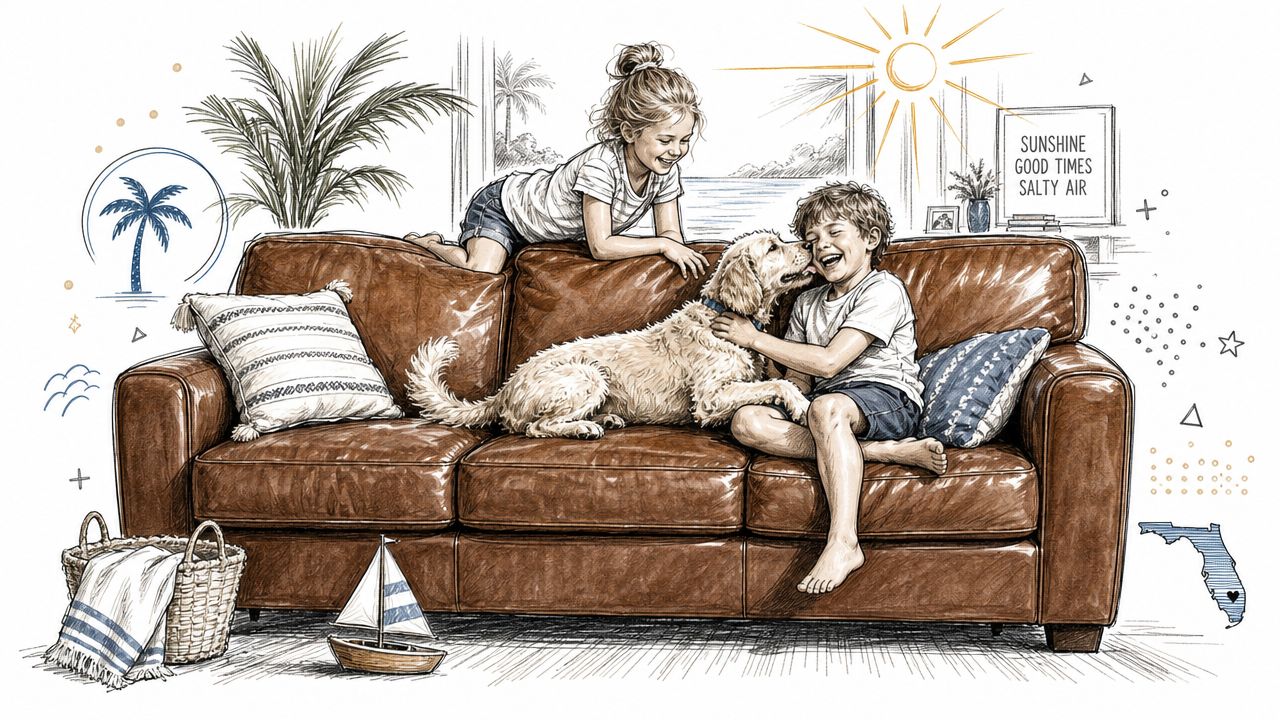
Homes with kids, pets, frequent guests, or daily lounging usually do better with genuine leather. It stands up more confidently to repeated use and tends to remain attractive longer. For homeowners already comparing whole-room durability choices, this practical carpet guide for kids and pets from Aquastar Cleaning Services, LLC offers the same kind of useful thinking. Choose surfaces for the life being lived in the room.
For sofa shoppers doing the same evaluation, this guide to pet-friendly couch fabric choices for active homes helps frame the decision beyond leather alone.
When bonded leather can make sense
Bonded leather isn't the villain in every room. It has a place when expectations are clear.
It can work for:
- Occasional-use seating in a formal room that doesn't see daily traffic
- Shorter-term furnishing plans where longevity isn't the top priority
- Appearance-first decisions where matching a look matters more than decades of wear
That said, homeowners should buy it with open eyes. Bonded leather is a compromise material. It shouldn't be purchased as though it will perform like true hide.
Why customization changes the decision
Many shoppers get boxed into a false choice. They think the options are limited to one leather they don't love or another they can't justify. That's often not true. Special order programs open up far more possibilities than what's sitting on the floor.
Most vendors support personalized design choices such as:
- Material selection with leather, fabric, and performance upholstery options
- Comfort choices including cushion feel and seating support
- Design details like arm shape, wood finish, and overall silhouette
That's especially valuable when shopping brands with broad upholstery programs, including La-Z-Boy, Smith Brothers, and Lexington. A homeowner may not need to settle for bonded leather just to get a certain look if a custom order can deliver a better-performing material in a similar style.
The best furniture decisions usually come from matching the piece to the household. Busy room, heavy use, long timeline. Choose genuine leather. Light use, lower priority, shorter horizon. Bonded leather can be acceptable, but only with realistic expectations.
Exploring Premium Alternatives and Custom Options
Bonded vs genuine leather isn't the only upholstery conversation worth having. It's just the one most shoppers meet first. Once the label confusion is cleared up, better options often come into view.
Better than the basic label
Some homeowners love the durability of genuine leather but want a more refined finish and feel. That's where premium hide options become attractive. Top-grain and full-grain leather sit above the generic “genuine” label in the quality conversation and usually deliver a richer visual story over time.
These are often the materials that turn a good sofa into a signature piece. In recliners, sectionals, and accent seating from makers such as Stressless and Lexington, higher-tier leather can completely change the experience of the room.
Strong alternatives for practical homes
Not every household needs leather at all. Modern performance upholstery has become a serious contender for active homes that want softness, durability, and easier daily maintenance. For homeowners weighing those options, this guide to performance fabrics for upholstery and active lifestyles is worth reviewing.
A well-chosen performance fabric or high-quality faux leather can outperform a poor leather choice because it fits the home better.
The best upholstery isn't the one with the most impressive label. It's the one that suits the room, the routine, and the years ahead.
Why custom ordering matters
Special order programs solve a lot of bad compromises. Most vendors allow some level of personalization, whether that means selecting fabrics, finishes, or customized comfort options. That matters because homeowners shouldn't have to choose between style and sensible performance if both can be built into the order.
Shopping online can help narrow shapes, colors, and room mood. Visiting the showroom then lets a buyer test texture, scale, and seat comfort in person. That digital-to-showroom path is often the smartest way to make a confident upholstery decision.
Your Lott's Furniture Buying Checklist and FAQ
A leather sofa can look convincing under showroom lights and disappoint fast at home. The tag says “genuine.” The salesperson says “real leather.” Six months later, the seat starts peeling, the surface looks tired, and the bargain stops feeling like one. That is exactly why smart buyers stop reading the front label and start asking better questions.
At Lott's, we tell customers to treat leather labels as a starting point, not a verdict. “Bonded” and “genuine” do not tell you enough on their own. Construction, hide quality, finish, and where the leather is used on the frame matter more.
The showroom checklist that prevents regret
Bring this checklist with you and use it before you commit:
Ask for the full material breakdown.
Do not settle for “it's leather.” Ask whether the piece is bonded leather, genuine leather from hide, leather match, or another upholstery material entirely.Ask where the leather is used.
Some pieces use real leather only on the seats and arms, with a matching material on the sides and back. That is not automatically bad, but you should know exactly what you are paying for.Touch it with intention.
Bonded leather often feels overly uniform or heavily coated. Better hide usually has more natural variation and a richer hand.Read the law tag and the product specs.
Terms in the leather trade can confuse shoppers, especially “genuine leather,” which confirms the material comes from hide but does not tell you the grade. The Leather and Hide Council terminology guide gives a clearer explanation of how leather terms are used.Sit long enough to notice the support.
Stay in the seat for a few minutes. Shift your weight. Rest your arms. A good sofa should feel right in real living room use, not just for a quick test.Ask what else that frame can be ordered in.
A floor model is often the entry version. A custom furniture order consultation can get you a better leather or a more practical upholstery on the same silhouette.
Common questions from leather shoppers
Can bonded leather be sold as leather
It can contain real leather fibers, but it is not the same as upholstery cut from hide. If you want a sofa for long-term daily use, skip bonded leather.
Is genuine leather the best leather
No. Genuine leather is real leather, but it is a broad label, not a premium grade. If you want better wear, better character, and better aging, ask whether the piece is available in a higher-grade hide.
What is the safer choice for a main family room
Choose genuine leather from hide over bonded leather if your budget allows it. It holds up better, feels better, and gives you a stronger return over time.
Should I buy the floor sample
Only if you know it is upholstered in the material you actually want. Plenty of shoppers assume the displayed version is the only option, then miss a better custom order that fits their home and budget more intelligently.
The service details smart buyers should expect
Good furniture retail includes more than a sales receipt. You should expect careful inspection before delivery, in-home delivery that protects the piece and your house, and knowledgeable help from someone who can explain materials in plain language.
That matters because the wrong label can steer a buyer toward the wrong sofa. Clear guidance fixes that. For homeowners in South Georgia and North Florida, Lott's helps cut through the wording on the tag, compare real options side by side, and order a piece that fits the room for the long haul.
Homeowners across South Georgia and North Florida can explore leather seating, custom upholstery, and expert design help with Lott's Furniture. The digital catalog makes it easy to browse from home, the Fernandina Beach showroom offers hands-on guidance from experienced associates, and online tools such as style quizzes and the mattress guide help narrow decisions before a visit. For buyers who want a customized result, the Special Order Program opens personalized choices in fabrics, finishes, and comfort levels. Every piece also receives a rigorous multi-point inspection before white-glove, in-home delivery, so the final step feels as polished as the purchase itself.


