
Your Guide to a Fabric Headboard King Size

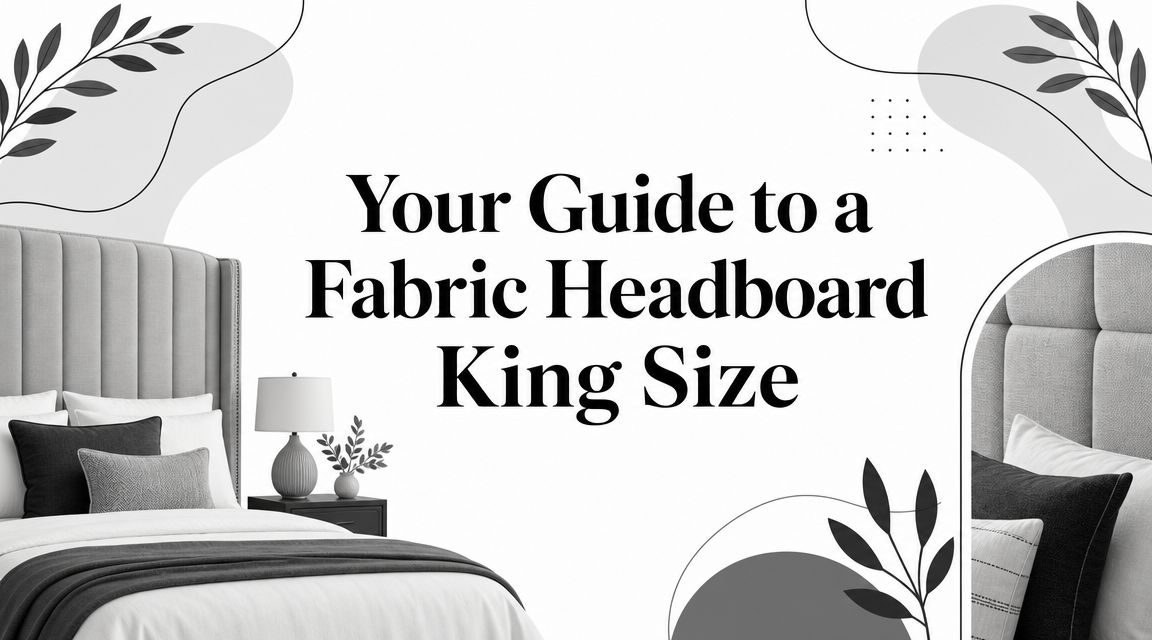
The room is already doing a lot of work. It stores laundry baskets, catches tomorrow's outfit, and gives a tired mattress a place to land every night. Yet one change can make that same space feel calmer, softer, and more finished. A king-size fabric headboard often becomes that change.
Many homeowners start with the look. They notice the texture, the shape, the way upholstery warms up a wall that used to feel flat. Then the practical questions show up. Will it fit? Will the fabric hold up in a busy home? Is wall-mounting worth it? Does the upholstery meet the standards a family should expect in a high-contact sleeping area?
That's where a more grounded approach helps. Across South Georgia and North Florida, bedrooms have to work for real life, not just the photo that inspired the purchase. A primary suite may need a custom focal point. A rental may need a simpler install. A coastal home may need a fabric that's easier to maintain and more forgiving.
Transform Your Bedroom into a Sanctuary
A bedroom starts feeling like a sanctuary when the largest pieces stop competing and start working together. The bed naturally becomes the visual center of the room, so the headboard often decides whether that space reads cold, unfinished, relaxed, or refined.
A fabric headboard king size choice changes the mood in a way wood or metal often doesn't. Upholstery brings in softness. It can make a large bed feel inviting rather than heavy. It also gives the room a refined surface behind pillows, throws, and layered bedding, which helps the entire space feel considered.
For readers shaping a bedroom around better rest, Ecuadane's insights on mindful spaces offer a useful complement to the design process. The strongest bedrooms usually aren't crowded with statement pieces. They rely on comfort, restraint, and materials that feel good to live with every day.
Why fabric changes the feel of a king bed
A king bed has presence. Without a headboard, that presence can feel incomplete. With the right upholstered shape, the bed reads intentional.
A fabric headboard helps in several ways:
- Softens the scale so a large bed doesn't dominate the room too harshly
- Adds tactile comfort for reading, watching television, or winding down at night
- Creates a design anchor that ties together case goods, rugs, lighting, and bedding
- Incorporates color subtly through neutrals, woven textures, or more expressive upholstery
A beautiful headboard doesn't just decorate the bed. It changes how the whole room is perceived.
That's why shoppers who begin with “just a headboard” often end up reshaping the full bedroom around it.
Finding Your Perfect King Size Fit and Placement
A common mistake is falling for a silhouette before checking whether it fits the room's architecture. With a king bed, even a beautiful headboard can feel out of place if it crowds a window, clips a switch plate, or leaves nightstands looking pinched.
Industry standards give you a useful baseline. A king mattress is generally 76 inches wide by 80 inches long, and many king headboards are made a bit wider so the bed looks properly framed. That starting point helps, but real homes in South Georgia and North Florida often come with quirks that matter more than the standard. Offset windows, taller baseboards, older homes with tighter walls, and coastal condos with compact primary bedrooms can all change what works.
Start with the wall, not the catalog
Treat the wall like the frame around a piece of art. The headboard is the focal point, but the surrounding space determines whether it feels balanced.
Measure the full wall width first. Then measure where the bed will sit. After that, check anything the headboard could interfere with, including window trim, outlets, sconces, and drapery stack-back. For a simple room-by-room checklist, our furniture measuring guide helps organize those details before you shop.
Three measurements usually answer most sizing questions:
- Side clearance for nightstands, lamps, and curtain panels
- Visible headboard height above the top of the mattress and pillows
- Overall floor-to-top height so the headboard works with windows, art, and ceiling height
That second measurement trips people up. A thick mattress and a deep stack of pillows can hide more upholstery than expected, so a headboard that looked tall in a showroom may read much shorter once it is at home.
Choose the mounting style that fits the room
Installation affects both appearance and flexibility. Two headboards can look nearly identical from the front and behave very differently once they are in your bedroom.
| Option | Works well for | Main consideration |
|---|---|---|
| Frame-mounted | Standard bedroom setups | Must line up with the bed frame and mattress height |
| Wall-mounted | A built-in, tailored look | Requires secure wall attachment and precise placement |
| Floor-standing | Taller statement designs | Needs enough wall space and visual breathing room |
A renter often prefers a setup with fewer wall changes. A vacation property owner may want easier replacement later. A primary bedroom with one clean, uninterrupted wall may be a strong candidate for a wall-mounted design that feels custom to the house.
One practical rule keeps sizing clear. Measure from the floor, not only from the mattress.
Test the scale before you order
Painter's tape is one of the simplest planning tools we recommend at Lott's. Mark the proposed width and height on the wall, then look at it from the doorway, from each nightstand, and from the foot of the bed. That quick outline shows whether the shape feels calm and centered or too tall, too wide, or too close to nearby features.
It also helps with customization. If your room needs a little more height to suit a tall ceiling, or a little less width to clear trim and drapery, that is much easier to spot before ordering than after delivery. If you are comparing upholstery swatches online during that process, see The Fabric Company's buying guide for helpful tips on judging color more accurately before samples arrive.
Good fit is what makes a king headboard feel intentional. In real homes across our coastal area, that usually means balancing standard sizing with the room you live in.
Choosing Fabrics for Style and Real-Life Performance
A king fabric headboard can look beautiful on delivery day and still feel wrong a month later if the fabric does not suit the way the room is used. In real homes across South Georgia and North Florida, that question comes up quickly. A primary bedroom may need softness and quiet texture. A guest room near the coast may need fabric that handles sunscreen, damp hair, sandy tote bags, and frequent turnover without becoming fussy.
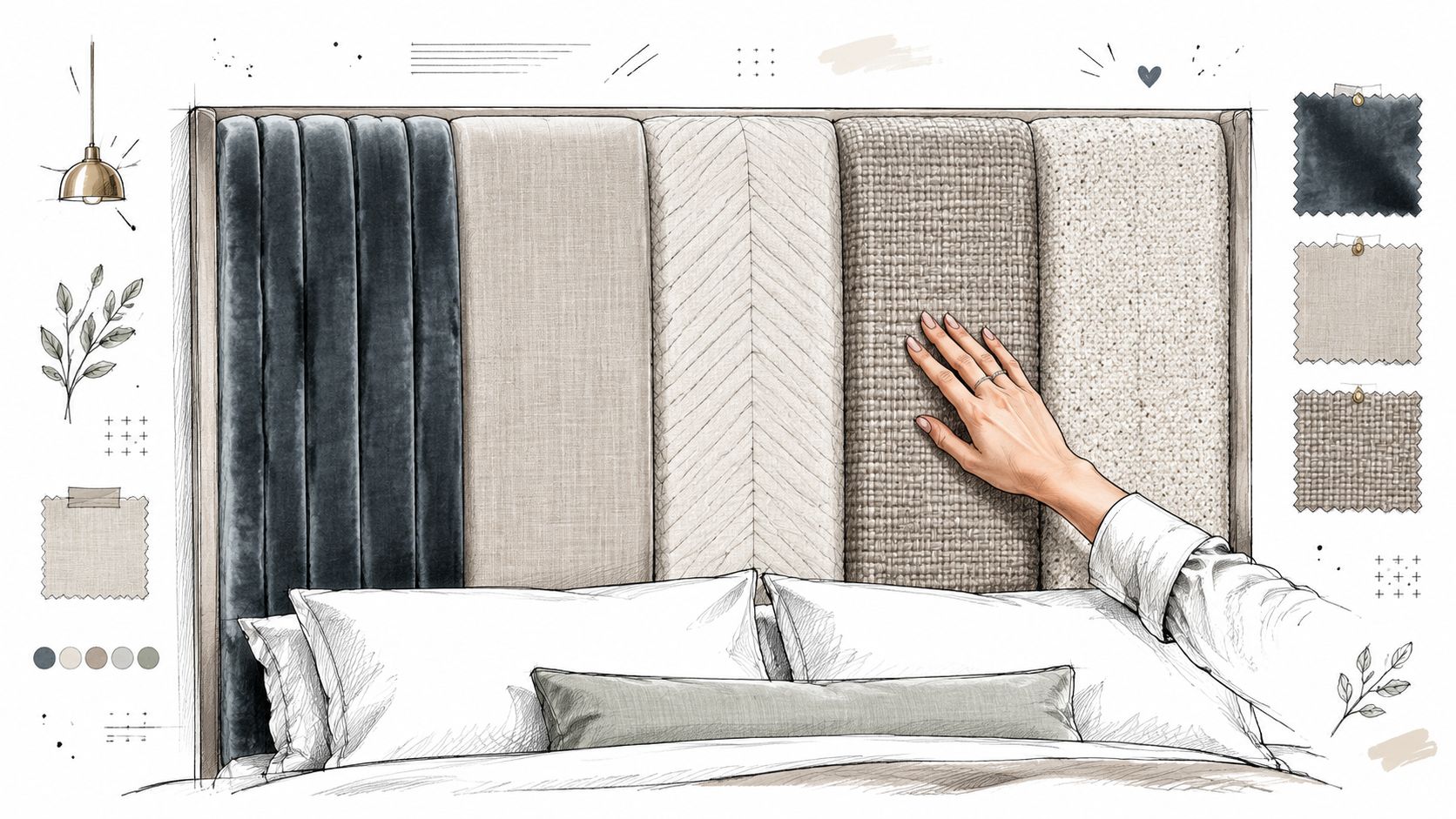
The easiest way to choose well is to start with use, then move to style. Fabric works like the finish on a kitchen countertop. You notice the color first, but daily life decides whether it was a smart pick. Headboards are similar. The surface you touch, lean against, and see every day needs to fit both the room and the household.
Start with how the room actually functions
A calm adult bedroom can carry more delicate texture because the fabric sees lighter wear. A kids' guest room, pet-friendly household, or vacation property usually calls for upholstery that is easier to clean and less likely to show every mark.
A few fabric categories help narrow the field:
- Velvet and plush fabrics add depth and softness, especially in rooms where comfort and a dressier look matter more than easy cleanup
- Linen-look and woven textures give a relaxed, breathable appearance that fits many styles and hides small visual irregularities well
- Performance fabrics are often the safer choice for homes that see spills, paws, body oils, or regular guest use. Our guide to performance fabrics for upholstered furniture and headboards explains what to look for in practical terms
One detail shoppers sometimes miss is texture scale. On a pillow, a heavy weave can feel charming. On a king headboard, that same weave covers a large visual area and becomes a much stronger design statement. Softer textures usually read calmer at this size.
Coastal homes need practical fabric choices
Bedrooms near the water behave differently from formal, low-traffic spaces. Humidity, open windows, salt air, and frequent guests all put more pressure on upholstery. That does not mean every coastal headboard needs to feel plain. It means the fabric should be chosen with the room's conditions in mind.
Ask these questions before falling in love with a swatch:
- Will guests use the bed often, or only a few weekends a year?
- Are children or pets likely to climb, lean, or nap against the headboard?
- Will the room benefit from a crisp structured fabric, or would a forgiving texture age better?
- Do you want to spot-clean occasionally, or do you need a fabric built for heavier day-to-day use?
Those answers usually point people in the right direction faster than color alone.
Color on a screen is only a starting point
Online photos are helpful, but they flatten texture and shift undertones. A beige fabric can read sandy and warm on one screen, then look gray or cool in person. That matters more with a king headboard because it takes up so much wall space and sets the tone for the whole room.
If you are comparing swatches online, see The Fabric Company's buying guide for helpful advice on judging color more accurately before samples arrive.
At Lott's, we often tell shoppers to treat fabric selection like choosing paint for a large room. A small sample gives direction. The final choice should still account for your lighting, your use, and how much maintenance you want to sign up for. That is what turns a fabric headboard from a pretty purchase into a piece that still feels right after real life settles in.
Curating Your Bedroom Style from Coastal to Classic
A headboard often tells the design story before any other piece in the room gets a chance. One shape can feel salt-air casual. Another can read polished and traditional. Another can split the difference and make the room feel refined without looking formal.
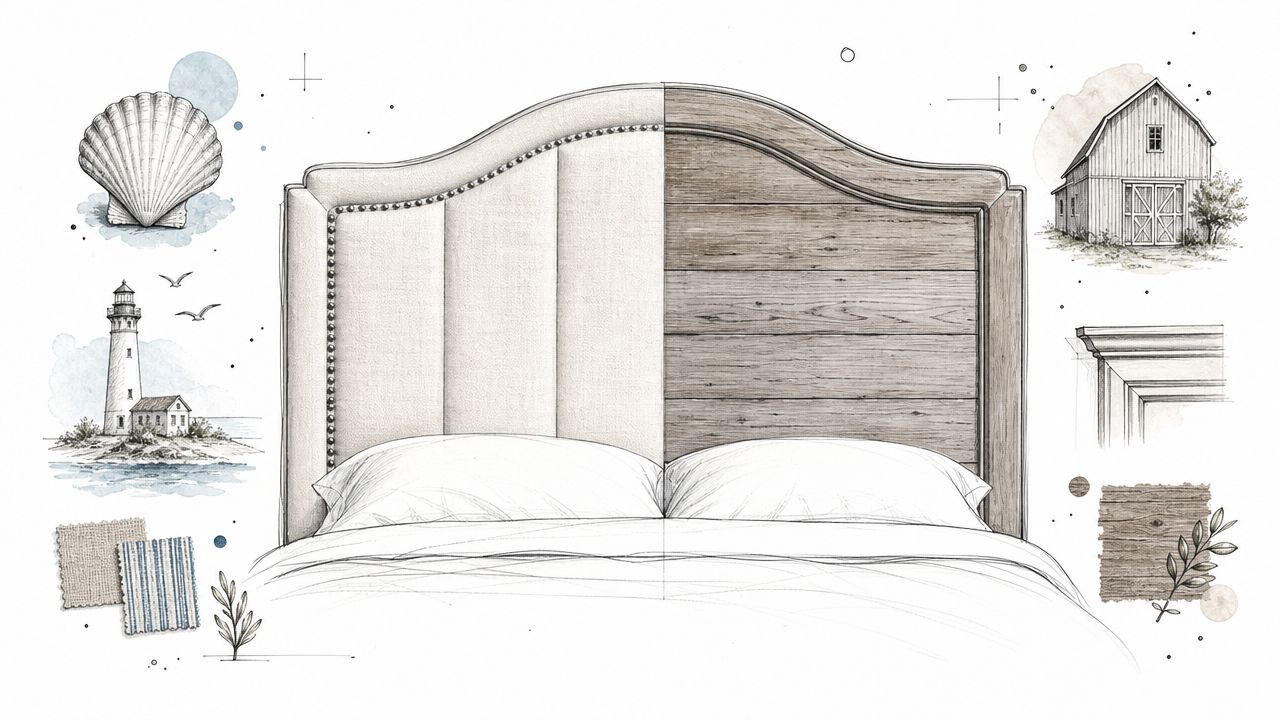
A coastal bedroom, for example, usually benefits from an upholstered headboard with a calm profile. Think gentle curves, woven-looking neutrals, and a shape that complements light woods, airy bedding, and layered whites without becoming fussy. Readers drawn to that relaxed regional look may find inspiration in this coastal design style guide.
Three design directions that work well with a king bed
Some headboards provide understated support for the room. Others become the room's statement piece. These common directions help clarify which one belongs in the space.
Coastal relaxed
Soft textures, sand-and-shell neutrals, and silhouettes that feel breezy rather than ornateTimeless traditional
Tufting, wings, arches, or refined trim that add a more classic sense of structureClean transitional
Straight lines, understated upholstery, and enough detail to feel finished without looking formal
A king bed can support any of those approaches, but the room works best when the headboard's personality matches the nightstands, lamps, and bedding rather than fighting them.
A simple example of style drift
A homeowner may love a dramatic wingback headboard online, then place it in a bedroom with simple woven shades, light oak case pieces, and casual coverlets. The result can feel disconnected. Not wrong, just unresolved.
Another homeowner may choose a low, quiet upholstered panel for a room with more traditional dressers and lamps, and the bed can end up underscaled. The room then loses the sense of center that a king bed should provide.
A headboard doesn't need to match every piece. It needs to make the rest of the room make sense.
For shoppers who haven't pinned down their aesthetic yet, style quizzes and bedroom guides can help identify whether the room wants softness, structure, drama, or restraint before fabric samples ever enter the conversation.
Understanding Headboard Construction and Quality
A king fabric headboard sits at eye level every day, but its real test happens in quieter moments. You notice it when you lean back with a book, when the bed shifts slightly during the night, or when humidity makes lesser upholstery look tired before its time. In South Georgia and North Florida, construction matters because our homes ask furniture to handle regular use, changing moisture levels, and long summers without losing shape.
What to examine beyond the fabric swatch
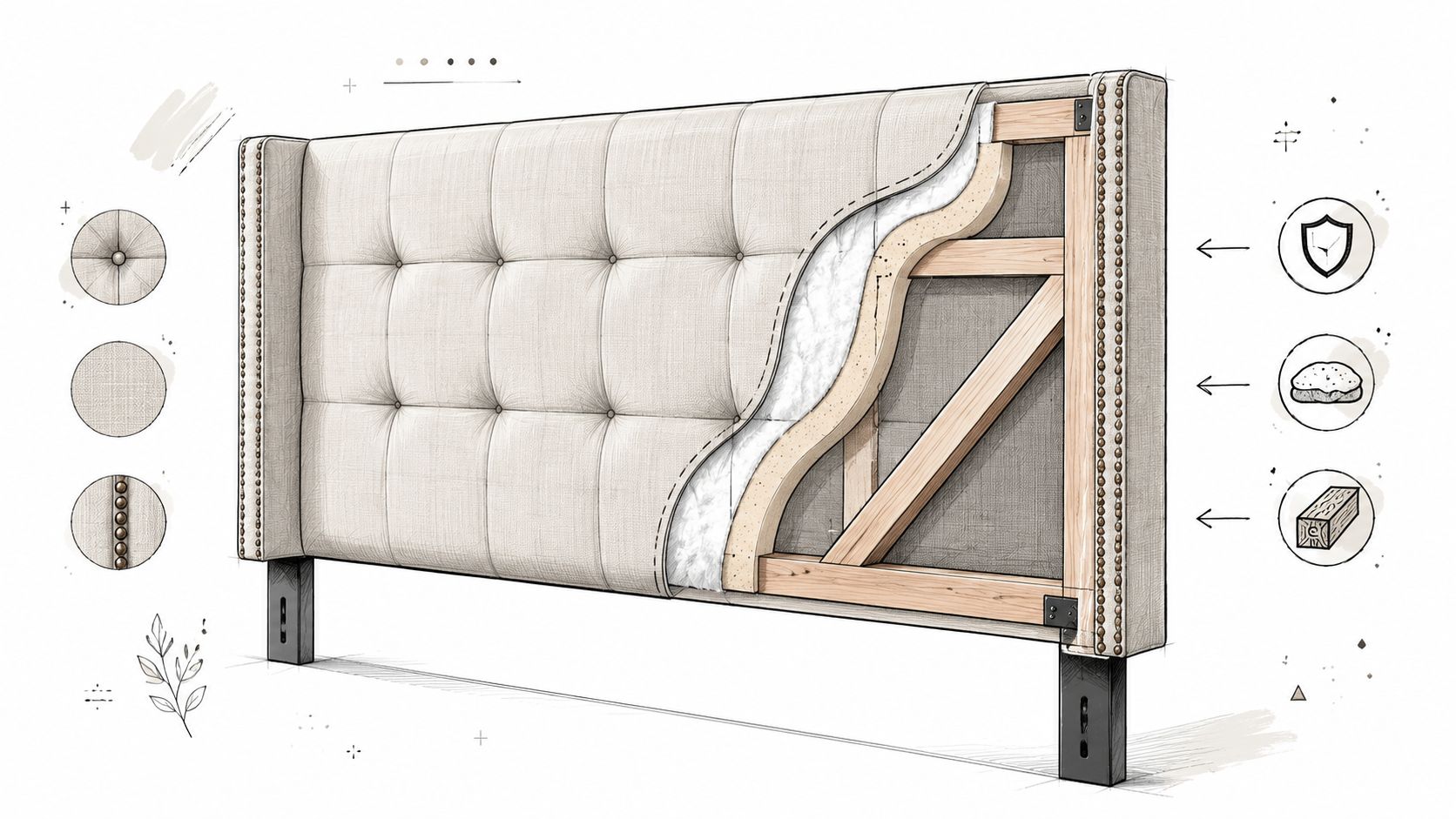
The fabric is the finish layer. Underneath it, the frame, padding, and tailoring carry out the primary tasks, much like a house depends on framing and insulation before paint color ever matters. A well-built headboard feels steady, padded evenly, and neatly shaped from one side to the other.
Start with the frame. If the structure flexes easily or feels light in a way that suggests thin support, the headboard may not stay reassuringly solid over time. Then look at the padding. It should feel consistent across the surface so one side does not look or sit firmer than the other.
The upholstery work deserves a close look too. Seams should run straight. Tufting should line up evenly. Welting, trim, and corners should look deliberate rather than hurried. Even the back and underside tell you something. Clean finishing in less visible areas often signals care throughout the piece.
A useful inspection list includes:
- Frame stability so the headboard stays secure without wobble
- Padding consistency for comfortable leaning across the full width
- Tailoring quality with smooth seams, balanced tufting, and clean corners
- Attachment method so mounting hardware and bed connections feel dependable
- Back and underside finish as a clue to overall workmanship
Readers who want more background on textiles and upholstery components may find how to select upholstery essentials useful for understanding what supports a finished upholstered piece.
The overlooked question of safety and materials
Material details deserve the same attention as silhouette and color. A product description may highlight linen texture or channel stitching while saying very little about what sits underneath the fabric, what fills the padding, or whether the upholstery meets applicable flammability requirements for its intended market.
Those are fair questions to ask, especially for a piece used every day in a sleeping space. At Lott's Furniture, we encourage shoppers to ask about the makeup of the frame, the type of padding, care requirements, and any available compliance information before they order. Clear answers usually signal a better buying experience from the start.
Questions worth asking before purchase
A short conversation can reveal a lot:
- What materials are used in the frame, padding, and backing?
- Does the upholstery meet applicable flammability requirements for where it will be used?
- How is the headboard attached to the bed or wall?
- Is the fabric intended for light decorative use or regular everyday contact?
- What cleaning method is recommended for the upholstery?
For shoppers comparing fabric types and performance differences, this upholstery materials guide helps explain what those answers mean in real homes.
A headboard should feel dependable the way a well-built front door feels dependable. It closes properly, holds steady, and keeps doing its job without asking for attention. Good construction gives a king fabric headboard that same sense of confidence, which matters even more when you are choosing a custom piece meant to fit your room for years.
The Ultimate in Personalization Our Special Order Program
Many shoppers settle too early. They find a shape they like, accept a fabric that's only close, and tell themselves the room will come together later. That approach usually leaves the headboard feeling almost right, which isn't the same as right.
A better path is customization. Many upholstery vendors support special ordering, which lets a homeowner choose the silhouette, adjust the upholstery direction, and fine-tune details that affect both comfort and style.
What personalization can actually change
Special ordering isn't only about picking a different color. It often helps solve real design problems.
A shopper may want:
- A cleaner profile for a smaller-feeling room
- A more forgiving fabric for pets, grandchildren, or frequent guests
- A warmer neutral to sit comfortably with existing flooring and drapery
- Trim details that connect the headboard to nearby wood finishes or accent pieces
That flexibility matters in homes where the bedroom has to reflect a specific mood rather than a generic showroom setup.
Why this matters in South Georgia and North Florida
Regional living shapes furniture choices. A Fernandina Beach bedroom may call for a lighter, more casual upholstery story. A South Georgia primary suite may want more traditional detailing and a richer visual weight. Vacation homes often need fabrics that are easier to maintain. Primary homes may prioritize a more layered and polished finish.
In that context, a special-order route gives homeowners room to build around the life they live. Many curated brands known in furniture showrooms, including names such as La-Z-Boy, Smith Brothers, Lexington, and Hooker Furniture, are often part of conversations about custom upholstery and coordinated bedroom style. The key is choosing options that support the room rather than forcing the room to adapt to a fixed set of stock choices.
For shoppers exploring personalized upholstery and king bed options, Lott's Furniture offers a digital catalog and showroom-based selection process that supports special ordering, fabric selection, and in-person review.
Your Investment and Bringing It Home with Lott's
A king-size fabric headboard usually becomes one of the visual anchors of the bedroom. It sits at eye level, frames the bed, and affects how finished the whole room feels. In real homes across South Georgia and North Florida, it also has to hold up to daily use, shifting humidity, and the occasional room refresh without looking out of place a year later.
That is why the purchase deserves a little more care than a quick style decision.
A helpful way to judge value is to look at what stays with you after delivery. The right headboard should fit the room correctly, feel comfortable when you sit up to read or watch TV, and keep its shape and appearance through changing bedding, paint colors, and seasons. A lower price can lose its appeal quickly if the scale feels off, the fabric is hard to maintain, or the setup process turns into guesswork.
For many shoppers, confidence comes from using both online research and an in-person visit. Browsing from home helps narrow the field. Standing in the showroom answers the questions a screen cannot. You can check the height against your mattress, see how the fabric reacts to light, and judge whether the piece feels relaxed enough for a coastal bedroom or refined enough for a more traditional South Georgia home.
That hands-on step matters with upholstery.
Good buying support often includes a few practical checkpoints:
- Help comparing headboard heights and widths so a king bed looks proportionate in the room
- Fabric guidance based on daily life, especially for guest rooms, primary suites, or homes near the coast
- Coordination with mattress and bed setup if the whole sleep space is being updated at once
- In-store assistance in Fernandina Beach for shoppers who want to confirm comfort, scale, and finish before ordering
Delivery deserves the same level of attention as selection. A well-made headboard can still be disappointing if it arrives scuffed, is assembled incorrectly, or is placed without checking how it fits the room. For homeowners who want to know what happens after purchase, Lott's delivery and assembly process explains how in-home setup is handled.
That service matters more than many shoppers expect. Upholstered furniture is a bit like carefully made clothing. The quality shows best when it is handled properly, placed correctly, and checked before the job is finished. A careful delivery team helps the headboard arrive ready to use, not ready for troubleshooting.
The goal is simple. Your king fabric headboard should feel settled on day one, suit the way you live, and make the bedroom feel calmer, softer, and more complete.
A well-chosen king-size fabric headboard can turn a bedroom into a more comfortable retreat, especially when fit, fabric, construction, and delivery all work together. Shoppers who want to compare options online, then get local guidance in person, can continue the process with Lott's Furniture in Fernandina Beach, with support shaped around homes in South Georgia and North Florida.


