
Memory Foam vs. Innerspring: Choose Your Best Mattress


The search usually starts the same way. A homeowner in South Georgia or North Florida wakes up stiff, grabs a phone, opens six tabs, and ends up more confused than informed. One mattress promises contouring. Another promises cooling. A third claims “support” without saying what that feels like at 2 a.m. when a partner rolls over or the humidity hangs in the room.
A better answer starts with real-life use, not mattress marketing. The right bed has to fit the sleeper's body, the home's climate, and the rest of the bedroom it lives in. Good sleep also depends on the environment around the mattress. For households trying to improve sleep for allergy sufferers, cleaner air and a cleaner sleep surface often matter as much as firmness.
South Georgia and North Florida families don't need more jargon. They need a decision they can live with for years. Helpful guidance should connect online research, in-person testing, and the practical habits that lead to better rest, including a few proven techniques for natural and restful sleep.
The Quest for Your Curated Sanctuary of Sleep
A mattress isn't just another purchase. It's the center of a room that should feel settled, restorative, and suited to the people who use it every night.
Many shoppers arrive at the same fork in the road. They've narrowed the field to memory foam vs innerspring, but they're still stuck on the wrong question. They ask which one is “better” in general. The better question is which one fits the sleeper's habits, comfort priorities, and home environment.
That distinction matters in this region. Coastal moisture, warm nights, and long-term wear can change how a mattress feels over time. A mattress that feels pleasant for five minutes in a showroom may not feel nearly as good after months of hot, humid weather and nightly use.
The goal isn't to chase trends. The goal is to build a bedroom that works. That might include a responsive, cooler-feeling innerspring. It might mean a memory foam mattress that reduces movement for couples and cushions pressure points more closely.
A good mattress decision should make the whole bedroom calmer. Better rest changes mornings, moods, and how a home feels at the end of the day.
The Anatomy of Memory Foam and Innerspring Mattresses
What's inside the mattress decides how it feels after eight hours, not just the first two minutes in a showroom.

How an innerspring mattress works
An innerspring mattress is built around a coil unit. Those steel coils support weight, rebound quickly, and create the lifted, responsive feel many shoppers grew up with. If you sit on the edge, roll over often, or dislike the feeling of sinking into the bed, this construction usually feels more natural.
The coil structure also leaves open space inside the mattress. That matters in South Georgia and North Florida, where humid air and warm nights can make heat retention much more noticeable. More airflow through the core often means a cooler, drier sleep surface.
Coil design still matters. A well-built innerspring with a solid support system and durable comfort layers will feel very different from a basic spring mattress that starts sagging early.
How memory foam works
Memory foam uses layered foam instead of a coil core. The material responds to heat and pressure, then contours around the body with a slower, denser feel. That is what gives memory foam its close cradle around the shoulders, hips, and lower back.
For sleepers with pressure-point pain, that contouring can be a real advantage. For couples, it often cuts down on movement traveling across the bed. One person shifts. The other feels less of it.
The trade-off is straightforward. Memory foam usually feels less buoyant, and lower-quality foams can hold more warmth, especially in a humid home without strong cooling features built into the mattress.
Why construction matters more than the label
The label tells you the category. The build tells you whether the mattress will hold its shape, stay comfortable, and fit your home.
That point gets missed all the time.
A memory foam mattress made with cheap, low-density layers can soften too fast. An innerspring with weak coils and thin padding can lose support just as quickly. The smarter question is not “foam or springs?” The smarter question is “what materials are doing the work, and how well are they made?”
That is especially important if you are pairing a mattress with a long-term bedroom setup, not treating it like a temporary purchase. Families investing in heirloom-quality pieces from makers such as Lexington or Hooker Furniture usually want a mattress that matches that same sense of staying power. If the bed frame, dresser, and nightstands are built to last, the mattress should not be the weak link.
Shoppers who want more context on how these designs developed over time can browse this brief history of mattresses from straw mats to memory foam.
Use this quick framework:
- Choose innerspring if you want lift, airflow, easier movement, and a more traditional sleep feel.
- Choose memory foam if you want closer contouring, better motion control, and more cushioning around pressure points.
- Judge durability by materials and construction, not by category alone. In this climate, that choice affects comfort night after night.
Comparing Key Comfort Factors Head-to-Head
A couple in Valdosta or Lake City can test two mattresses for five minutes and like both. The difference shows up at 2 a.m., when one person rolls over, the room feels sticky from the humidity, and the mattress either helps you settle back in or keeps you awake.
That is how to judge memory foam versus innerspring. Focus on what you will feel night after night in a South Georgia or North Florida home, especially if this mattress is going on a substantial bed from Lexington or Hooker Furniture that is meant to stay in your bedroom for years.
| Feature | Memory Foam | Innerspring |
|---|---|---|
| Pressure relief | Closer contouring around the body | More pushback, less contouring |
| Motion isolation | Better at absorbing partner movement | More movement travels across the surface |
| Bounce | Very low bounce | Higher bounce and quicker response |
| Cooling | Can retain more heat without cooling features | Better airflow through coil structure |
| Edge support | Often less supportive at the perimeter | Commonly stronger at the edge |
| Feel | Dense, cushioned, body-hugging | Springy, lifted, responsive |
Pressure relief and motion transfer
Memory foam wins this category.
It molds more closely to the body, so shoulders and hips do not take the same sharp pressure they often feel on a springier surface. It also does a better job of deadening movement, which matters if your spouse gets up early, shifts often, or falls into bed long after you are asleep.
For couples, this is usually the clearest dividing line. One mattress lets motion travel. The other absorbs more of it.
Choose memory foam if partner movement is a regular complaint.
Bounce, ease of movement, and edge support
Innerspring wins here.
Coils create a quicker, more lifted feel that makes turning, changing position, and getting out of bed easier. That matters for combination sleepers, older adults, and anyone who hates the slow sink of foam.
Edge support often follows the same pattern. A well-built innerspring usually feels steadier along the perimeter, which helps if you sit on the side of the bed to dress in the morning or want the full sleep surface to feel usable.
Memory foam can feel calm and cushioned. It can also feel harder to move on, especially for sleepers who want the mattress to push back a bit instead of letting them settle in.
Cooling and humidity concerns
In this climate, cooling is not a small detail. It changes the whole recommendation.
South Georgia and North Florida homes deal with long warm seasons, heavy air, and nights when the bedroom never feels fully crisp. Innerspring mattresses usually handle that better because the coil system leaves more room for airflow. Memory foam can still work for hot sleepers, but only if the materials and design are built to manage heat well. If overheating is already an issue in your home, review these mattress options for hot sleepers in warm, humid climates.
A mattress that traps even a little extra warmth can feel miserable by midnight in July.
Lifespan, odor, and overall value
Durability depends heavily on build quality, but the feel of wear tends to show up differently in these two categories. Lower-quality memory foam often softens and loses support. Lower-quality innersprings often develop uneven comfort and weaker support where the body puts the most pressure.
Odor is another practical difference. New memory foam models are more likely to have a temporary "new mattress" smell after delivery, while innersprings usually air out faster.
Cost should be judged against the rest of the room, not in isolation. If you are furnishing a primary bedroom with long-term pieces and a bed that anchors the space, buying the cheapest mattress in the set is a mistake. Match the mattress to the staying power of the furniture around it.
The direct recommendation is simple:
- Choose memory foam if pressure relief and motion control matter most in your bedroom.
- Choose innerspring if you want cooler sleep, easier movement, and stronger edge support.
- Judge the final pick by construction quality, especially in humid homes where weak materials get exposed faster.
The Best Mattress for Your Unique Sleep Position
You feel the difference in the first week. A side sleeper in Valdosta wakes up with a sore shoulder on a spring bed that felt fine in the showroom. A stomach sleeper in Lake City buys soft foam, then starts every morning with a tight lower back. Sleep position is not a small detail. It should drive the decision.
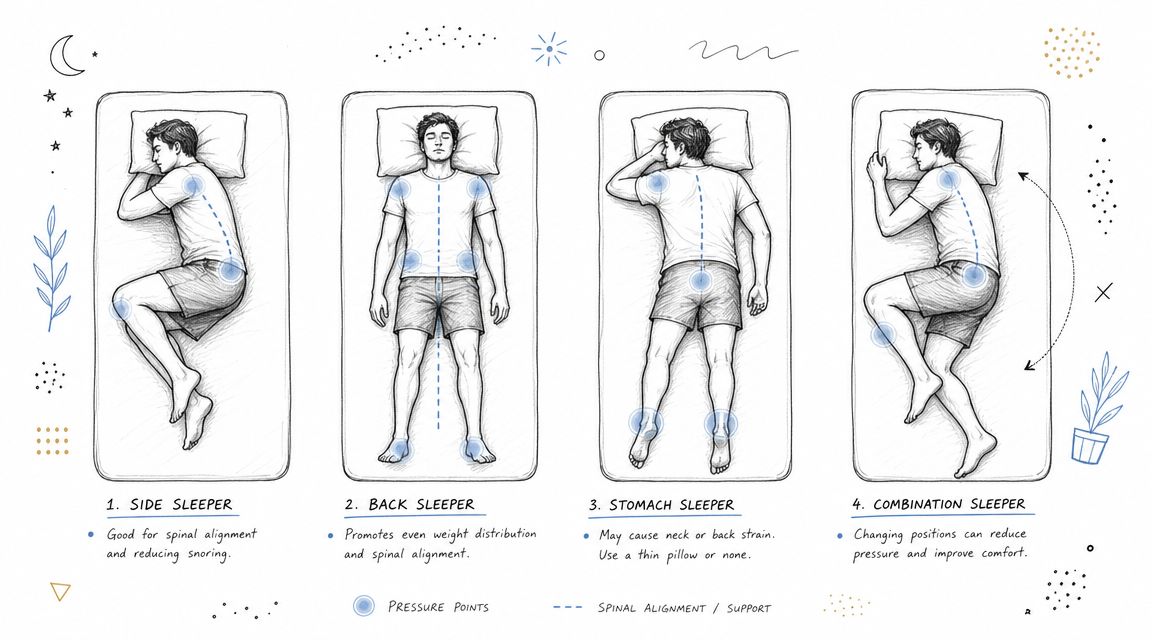
Side sleepers should usually choose memory foam
Side sleeping puts the most pressure on the shoulders and hips. If the mattress does not give enough at those points, you feel it fast. Memory foam is usually the better call because it cushions those areas more closely and reduces the sharp pushback that firmer spring surfaces can create.
This matters even more for couples. If one partner turns often, memory foam usually keeps that movement from traveling across the bed and waking the other person.
In South Georgia and North Florida, I would only recommend side sleepers buy low-grade foam if they enjoy replacing mattresses early. Humidity exposes weak materials faster. Dense, better-made foam holds its comfort longer and makes more sense if the bed is paired with lasting bedroom furniture from lines such as Lexington or Hooker Furniture.
Stomach sleepers should usually choose innerspring
Stomach sleepers need the bed to stay level under the torso and hips. Too much sink in the middle pulls the spine out of line and creates that familiar strained feeling by sunrise. Innerspring is usually the safer recommendation because it keeps the body more lifted and makes it easier to move without feeling stuck.
A firm, supportive hybrid can also work, but the rule is simple. Stomach sleepers need lift first, softness second.
Back sleepers need the clearest yes-or-no test
Back sleepers sit right in the middle of this decision. Some do better with foam that fills in the lower back and eases pressure. Others sleep better on a spring surface that feels flatter, quicker, and more supportive through the hips.
Do not guess here. Lie down and pay attention to one thing. Does your lower back feel supported without your hips dropping too far? If yes, you are close. If not, keep looking. For a more detailed breakdown by posture and feel, use this guide on how to choose the right mattress for your sleeping style.
Combination sleepers usually do better with springs
If you rotate from side to back to stomach during the night, responsiveness matters. A mattress should let you move easily, not slow you down every time you turn. In most cases, that makes innerspring the better fit.
The main exception is a couple with very different sleep habits, especially if one partner wakes at every shift. In that case, a responsive hybrid or a firmer memory foam model can be the better compromise.
The right mattress for your sleep position should still feel right at 2 a.m. in a humid South Georgia or North Florida home, not just for two minutes under bright showroom lights.
How to Test a Mattress Like a Lott's Expert
A mattress can feel great for the first 20 seconds and still be the wrong bed for your home. That happens every week. Someone in South Georgia or North Florida lies down in a cool showroom, loves the first impression, then gets it home and realizes it sleeps warmer, feels softer after an hour, or does not pair well with the bed they already own.
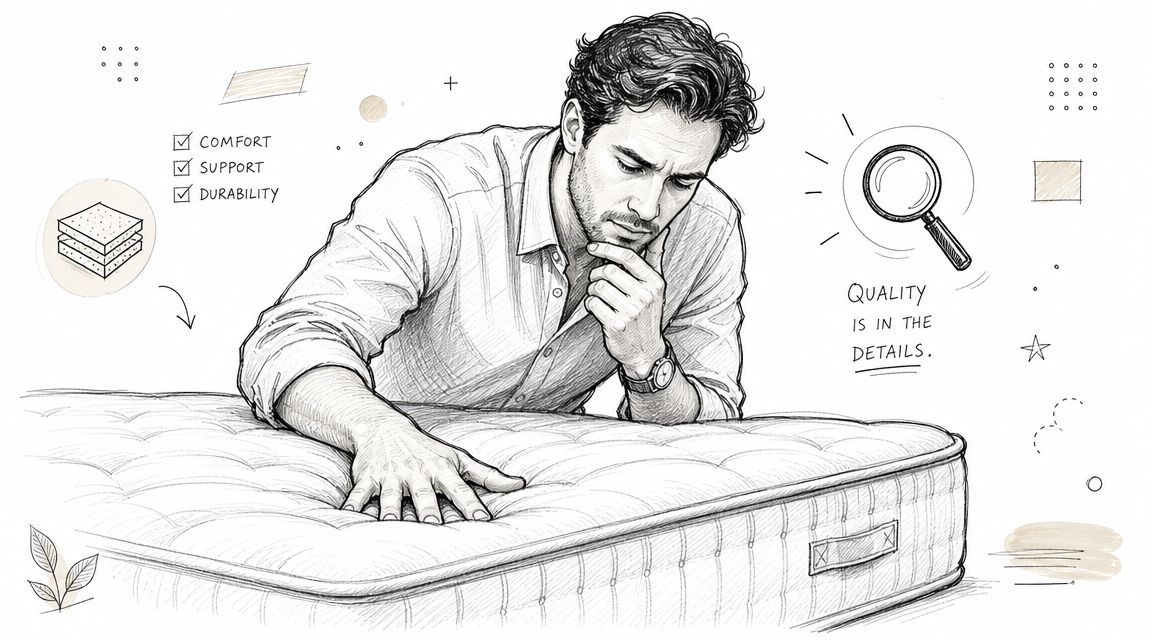
Give the mattress time to reveal itself
Stay on the bed long enough for your body to settle. Five to ten minutes in your usual sleep position will tell you far more than a quick sit on the corner.
This matters a lot with memory foam because the feel changes as the material warms and contours. Innerspring models usually tell you their story faster. If you rush, you will often choose the bed with the quicker first impression instead of the one that supports you through the night.
If your home runs humid for much of the year, pay attention to temperature and surface feel while you test. Materials respond differently in a warm, muggy room than they do under bright showroom air.
Check support with a simple routine
Start flat in the position you use most. Then pay attention to what your body is telling you, not just whether the top feels soft.
Use this process:
- Lie still for several minutes and notice whether your lower back, hips, and shoulders feel level and supported.
- Roll from side to side to see if movement feels easy or delayed.
- Sit on the edge and then lie close to the perimeter to judge how much usable sleep space the mattress really gives you.
- Stand up and reset before trying the next model so your body does not blur the difference.
A good mattress should hold you up, not just cushion you. If your hips dip, your lower back feels hollow, or turning takes effort, keep shopping.
Test the full setup, not just the mattress
Families often focus on the mattress and ignore the foundation, bed height, and bedroom furniture around it. That is a mistake. The right mattress has to work with the frame you own or the new room you are building.
If you are pairing a mattress with a substantial bedroom set from Lexington or Hooker Furniture, check the finished height and overall scale in person. A mattress that looks balanced on an heirloom-style bed can feel awkward if it sits too tall, too low, or too soft for getting in and out comfortably. The best choice should feel right in the room and at bedtime.
If adjustable comfort matters to you, read more about how an adjustable base can improve comfort and everyday rest. That option can make a bigger difference than shoppers expect, especially for reading, leg elevation, or reducing pressure at home.
Buy for real nights at home
Showroom testing should answer one question. Can you picture sleeping on this bed through a full night in your actual house?
That means thinking about your room temperature, your sleep position, your partner, and the way your home holds humidity through the year. Lott's experts look past the first feel and test for lasting comfort, steady support, and fit with the rest of the bedroom. You should too.
Creating Your Complete Bedroom Sanctuary
A mattress shouldn't be chosen in isolation from the room around it. The bedroom works best when comfort, scale, storage, and visual calm all support the same goal.
That's especially true in South Georgia and North Florida homes, where the bedroom often has to do more than one job. It may need to feel restful at night, polished for guests, and durable enough for everyday life in a humid climate. A supportive mattress paired with heirloom-quality case goods creates a much stronger result than a great mattress dropped into a room that feels mismatched or unfinished.
Pair the mattress with the right furniture foundation
Bedroom furniture changes how the whole sleep setup functions. The right bed, chest, or nightstand should complement the mattress instead of competing with it.
Well-made collections from brands such as:
- Lexington bring a refined, layered look that fits well-defined coastal and traditional interiors.
- Hooker Furniture offers polished bedroom pieces that help a room feel settled and substantial.
- Smith Brothers can round out the retreat with a reading chair or accent seating that adds comfort beyond the bed itself.
Personalization matters more than most shoppers expect
No two bedrooms need the exact same solution. That's why customization belongs in the mattress conversation, not just the furniture conversation. A room feels finished when comfort level, scale, fabric, finish, and function all align.
Many vendors support personalized designs through special ordering, including choices in finishes, fabrics, and comfort preferences. Style quizzes, mattress guidance, and knowledgeable in-store associates help narrow those decisions without overwhelming the shopper. The online catalog also makes it easier to browse at home, then step into the Fernandina Beach showroom ready to test and compare with purpose.
A bedroom becomes a sanctuary when the mattress, bed frame, lighting, and storage all support the same feeling. Calm doesn't happen by accident.
Every piece should also arrive ready for the room it's entering. White-glove, in-home delivery matters because placement, setup, and condition matter. A rigorous multi-point inspection before delivery helps prevent the frustration of bringing a flawed piece into an otherwise carefully planned space.
Your Memory Foam vs Innerspring Buying Checklist
A mattress decision gets easier once you narrow it to how you sleep at home. In South Georgia and North Florida, that means judging comfort through heat, humidity, shared sleep, and how the mattress will work with the bedroom furniture you plan to keep for years.
Start with the feel you want night after night, not the first 30 seconds in a showroom.
Choose memory foam if these sound like priorities
- Motion control matters most because one sleeper wakes up when the other turns, gets up early, or comes to bed late.
- Pressure relief is the main issue and the sleeper needs better cushioning at the shoulders, hips, or lower back.
- A quieter, denser feel sounds better than a bouncy surface.
- You are willing to spend more upfront for a premium build if comfort and reduced partner disturbance are the top goals.
Memory foam often costs more than a basic innerspring, especially in better-made models. In general, queen sizes run from the mid-range into premium pricing, while innersprings usually start lower and top out lower. The real question is simple. Are you buying for immediate budget relief, or for the feel you want every night over the next several years?
Choose innerspring if these sound more familiar
- Sleeping cool matters every month of the year, especially in a humid coastal or inland Southern home.
- The sleeper changes position often and wants a mattress that responds fast instead of contouring closely around the body.
- A lower upfront price fits the plan better right now.
- A more lifted, traditional mattress feel sounds better than a close cradle.
For many homes in this region, that airflow advantage matters. If your bedroom tends to stay warm, or you naturally sleep hot, innerspring usually makes daily life easier.
Final screening questions
Ask these before you buy:
- Does it support the position you spend the most time in, not the position you tried for ten seconds?
- Will it still feel comfortable during a July night in South Georgia or North Florida?
- Can you move easily, or do you feel stuck?
- Does the support hold up after several minutes of lying still?
- Does the mattress height and style fit the bed, case pieces, and overall room plan?
- Will it look right with long-term furniture choices, especially a substantial bed from Lexington or Hooker Furniture?
Use this rule. Choose memory foam if pressure relief and motion isolation are your top two needs. Choose innerspring if cooling, ease of movement, and value come first.
A clear next step is to browse Lott's Furniture online, use the style quizzes and mattress guidance to narrow preferences, then visit the Fernandina Beach showroom for an in-person comparison. South Georgia and North Florida shoppers can also ask about special order options for customized comfort, coordinated bedroom pieces from brands like Lexington, Hooker Furniture, La-Z-Boy, and Stressless, plus white-glove in-home delivery with a multi-point inspection before arrival.


